Grow Your Own Rabbit Feed: The System That Changes Everything
What if feeding your rabbits didn’t depend on the feed store?
What if instead of watching prices go up…
You were walking outside and harvesting your own feed?
That’s exactly what happens when you stop thinking in terms of “what do I feed today?” and start thinking in terms of:
👉 “How do I build a system that feeds my rabbits year-round?”
Because that’s the difference between struggling… and running a predictable, sustainable rabbitry.
The Big Shift: From Feed to System
Most people start here:
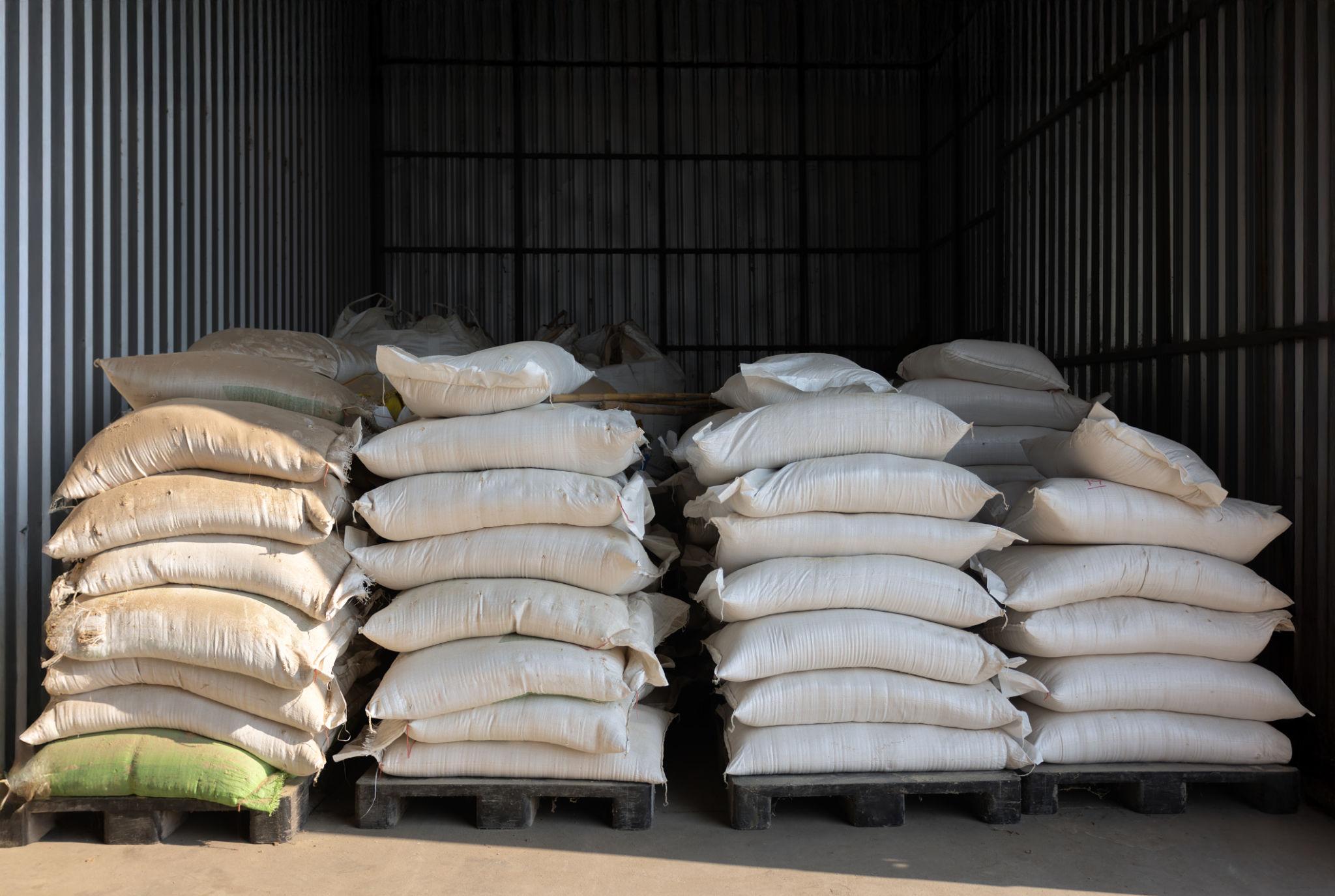
- A bag of pellets
- Maybe some hay
- Occasionally some greens
And that works…
Until prices go up
Until supply runs short
Until you want more control
That’s where things change.
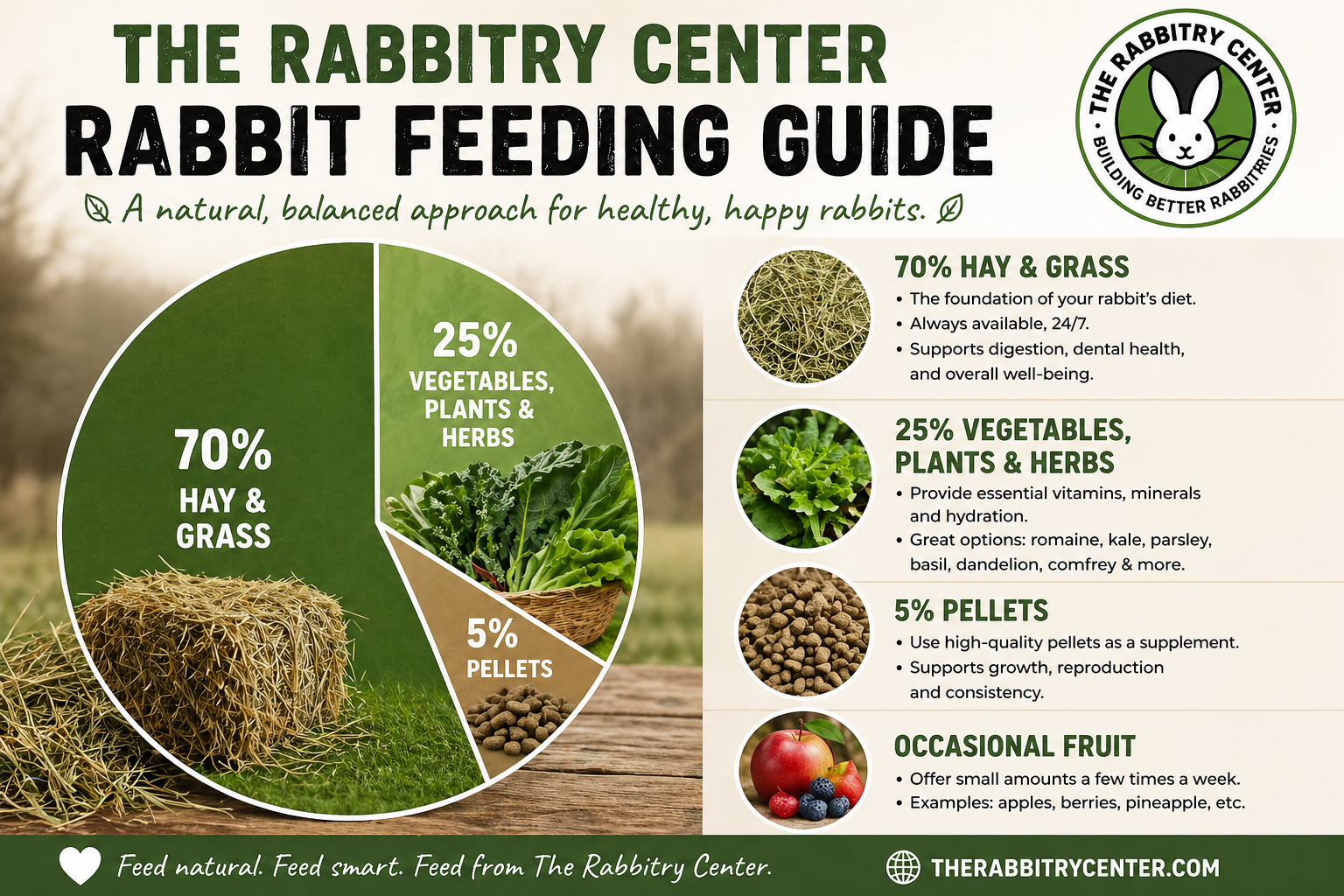 A real rabbit feeding system is built on multiple sources working together:
- Hay (the foundation)
- Food plots (high-volume production)
- Raised beds (precision and nutrition)
- Fodder trees (long-term feed)
- Yard forage (free feed)
- Stored feed (winter security)
👉 When you combine these, you don’t just feed rabbits—you build resilience
You Don’t Need a Lot of Land
This is where most people hesitate.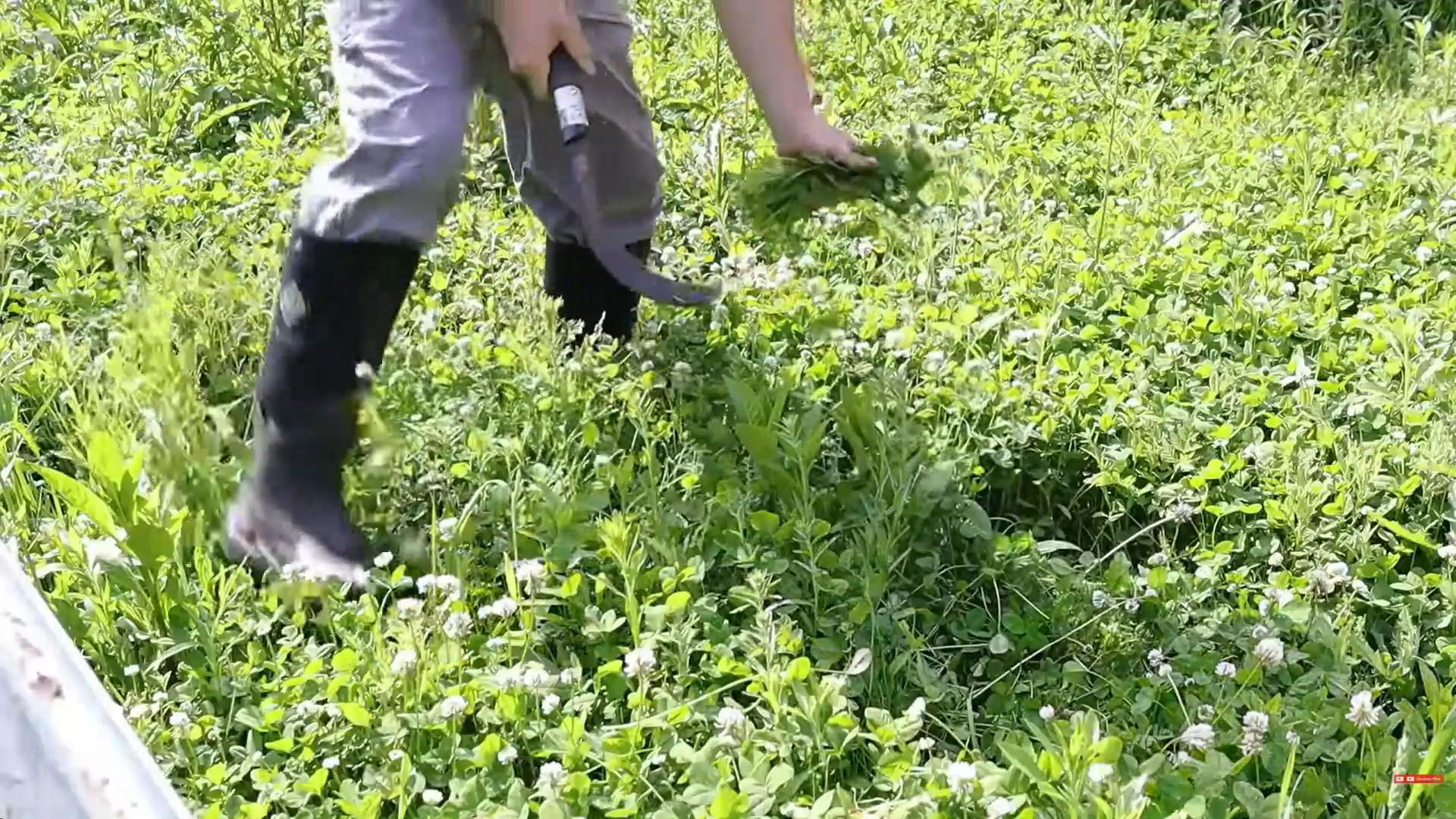
“I don’t have enough space.”
But here’s the reality:
- A small 12’ x 10’ plot can produce meaningful feed
- A 600 sq ft plot can support multiple rabbits
- Multiple small areas = serious production
And remember: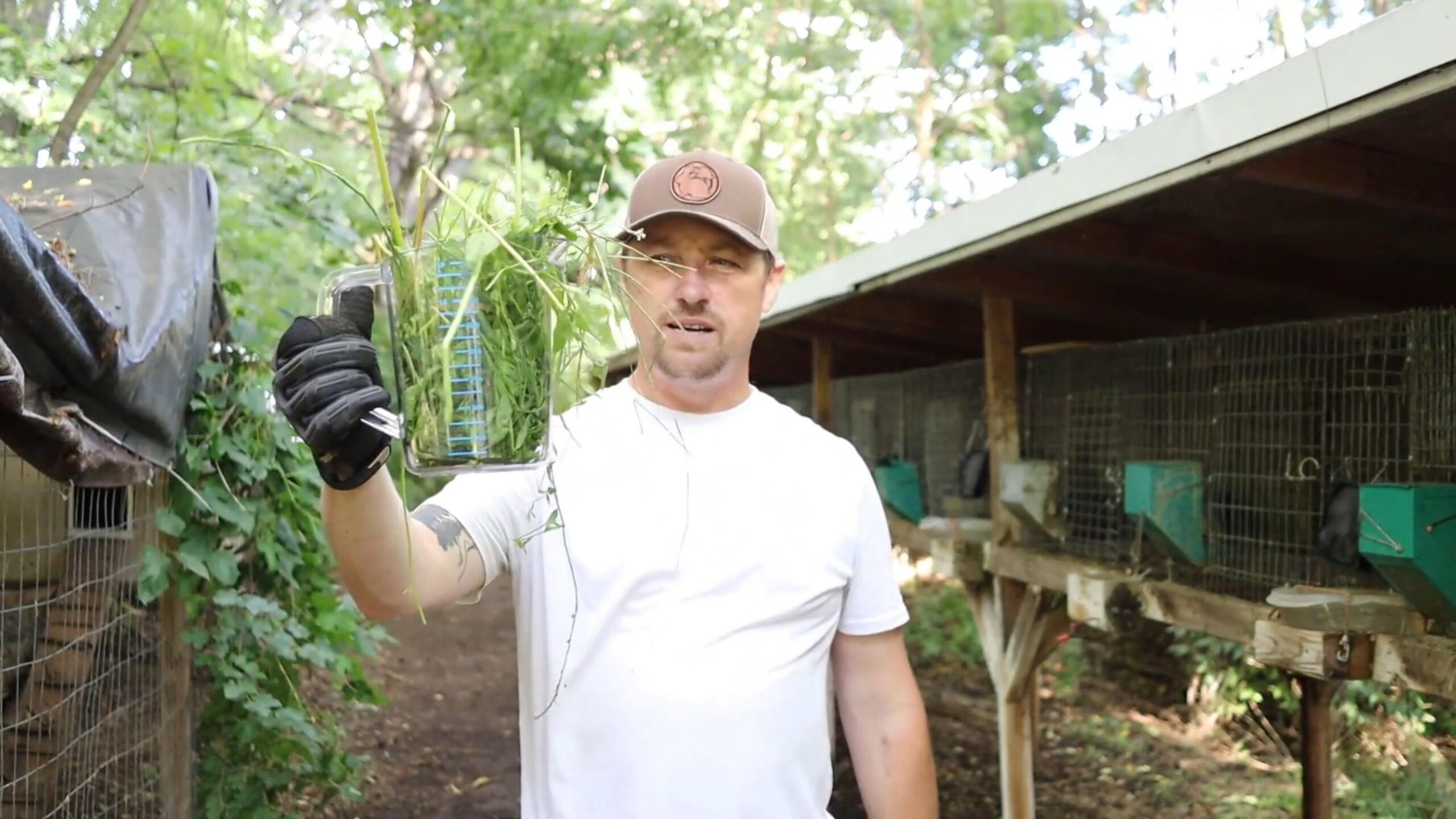
👉 A 10 lb rabbit eats about 5 cups per day
That’s manageable when you break it down.
This isn’t about going all-in overnight.
It’s about stacking production over time.
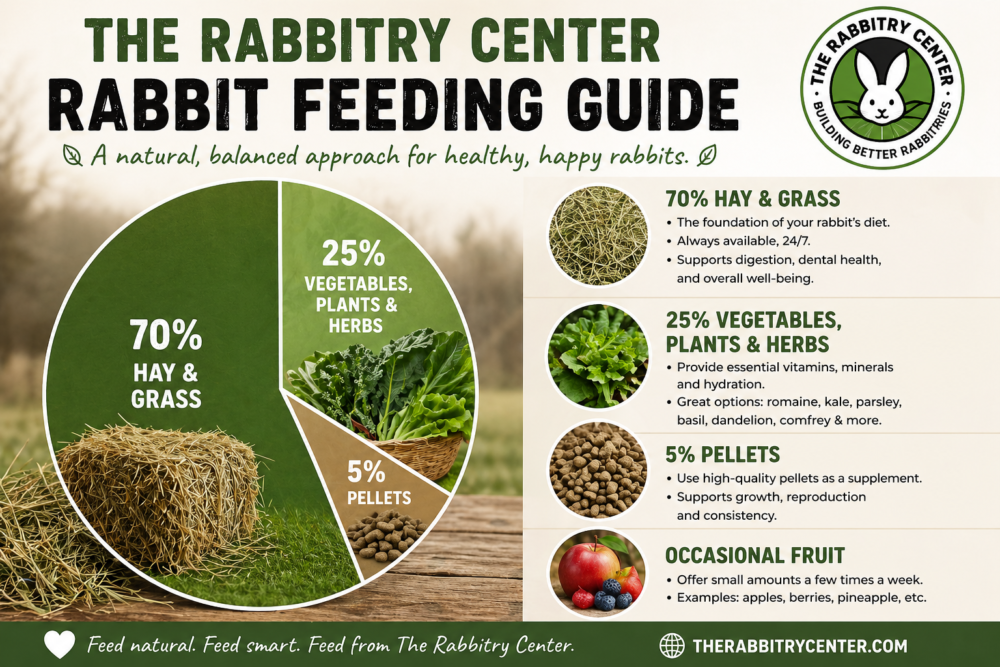
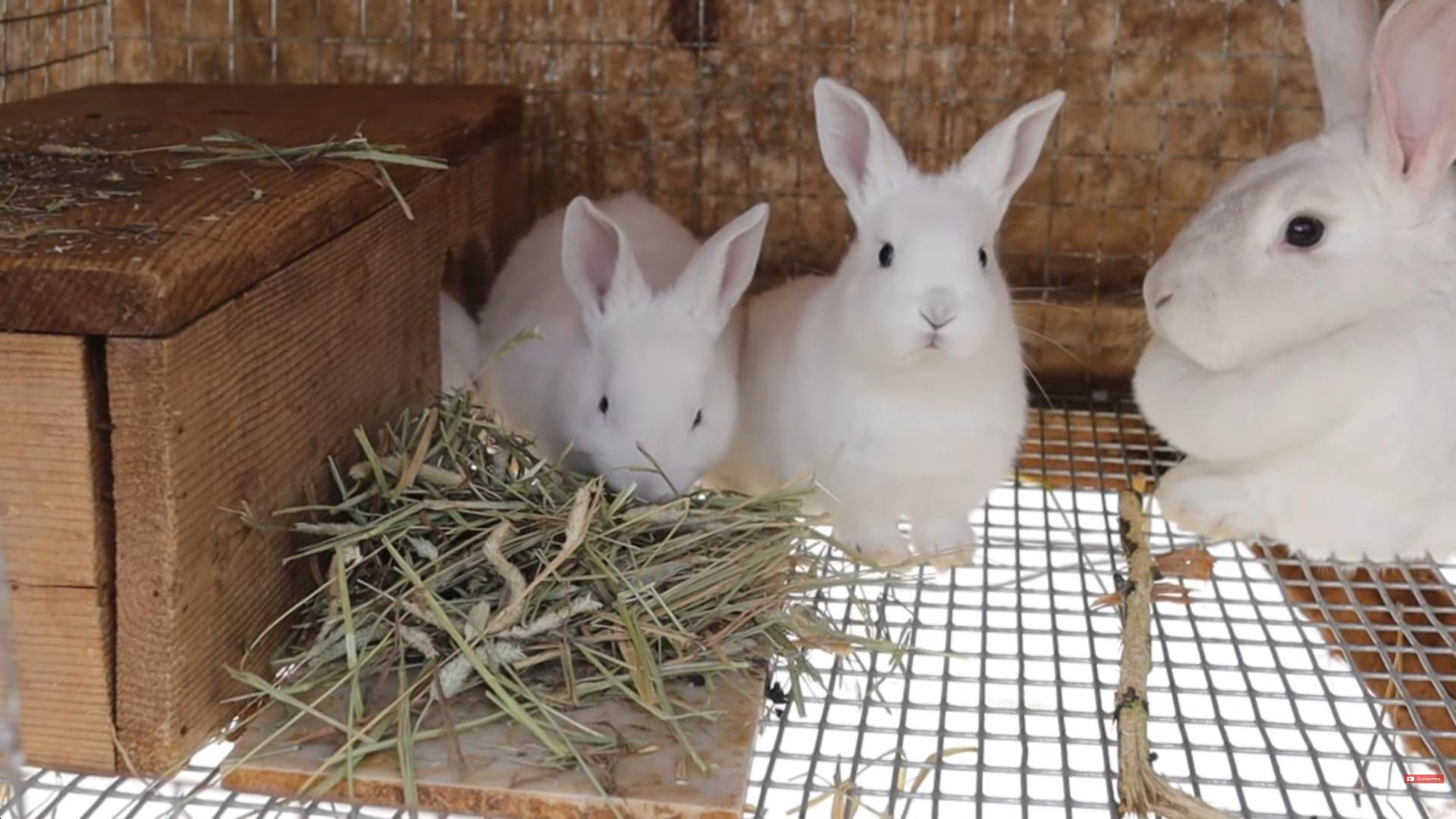
Hay: The Non-Negotiable Foundation
No matter how advanced your system gets…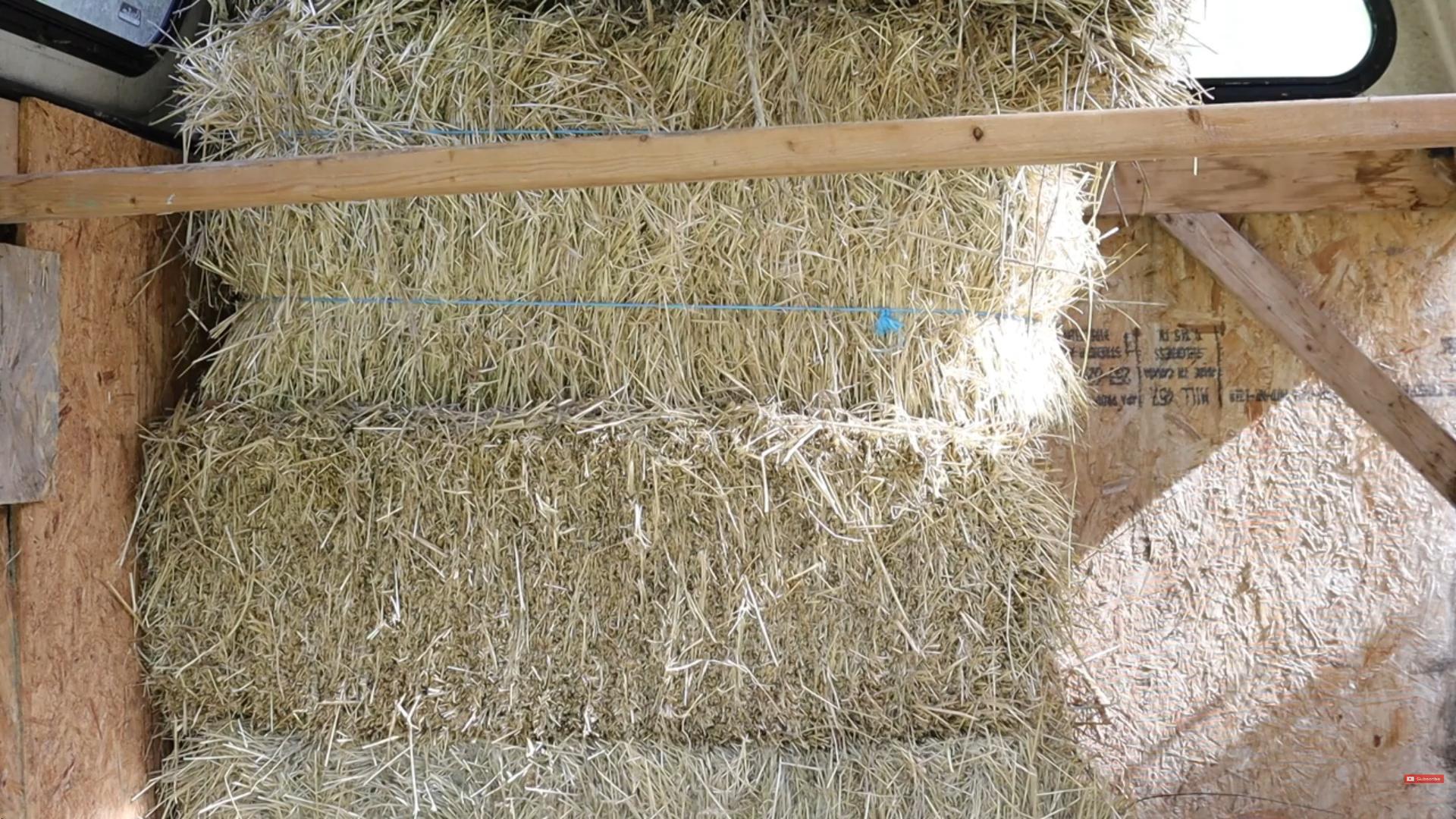
👉 Hay stays at the center
Why?
- High fiber = gut health
- Keeps digestion stable
- Balances fresh feed
Most successful setups:
✔ Buy hay in bulk from local farmers
✔ Grow everything else around it
That gives you control without unnecessary risk
 Food Plots: Where You Start Producing Real Feed
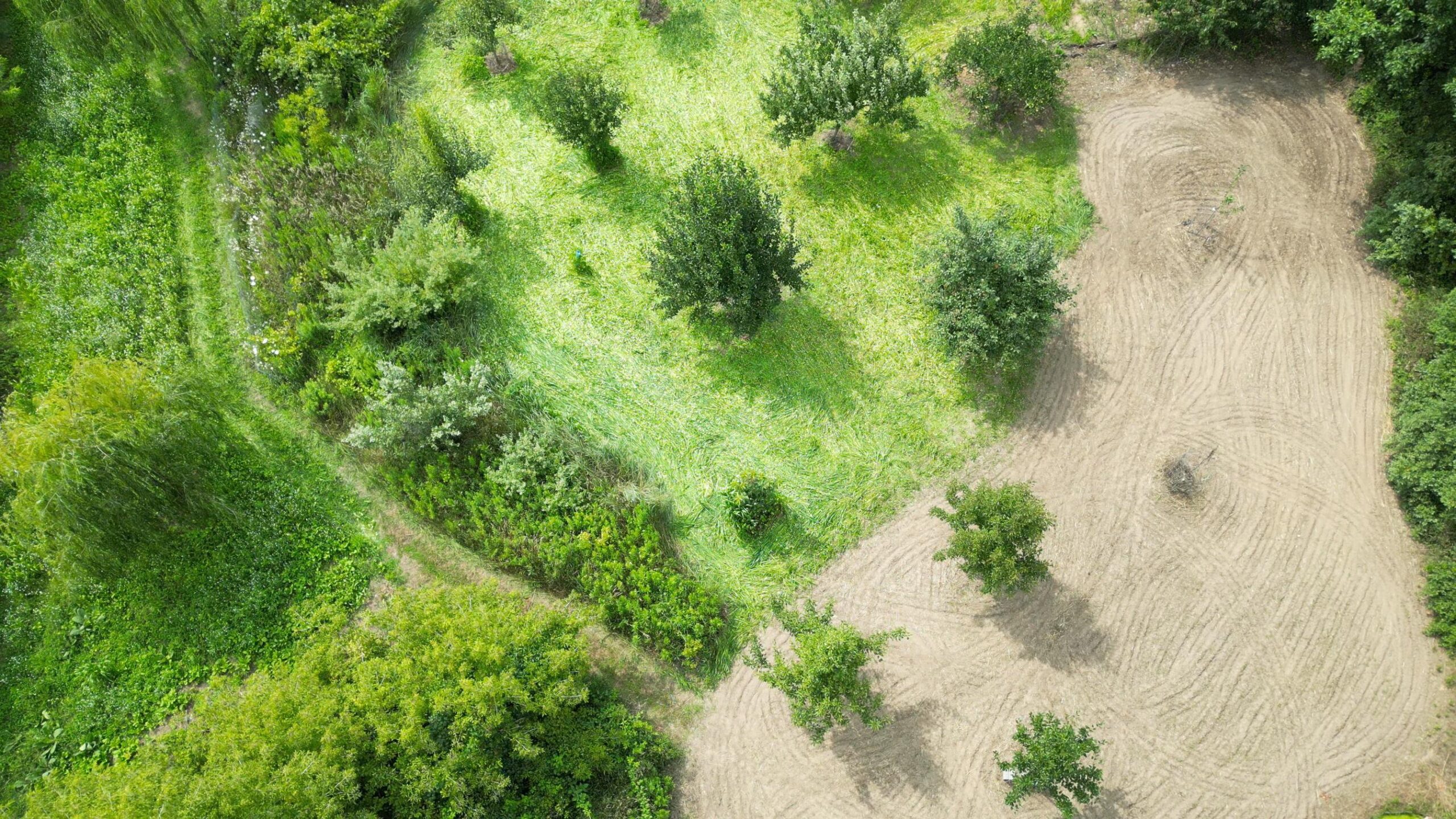
If you want to make an impact on feed costs…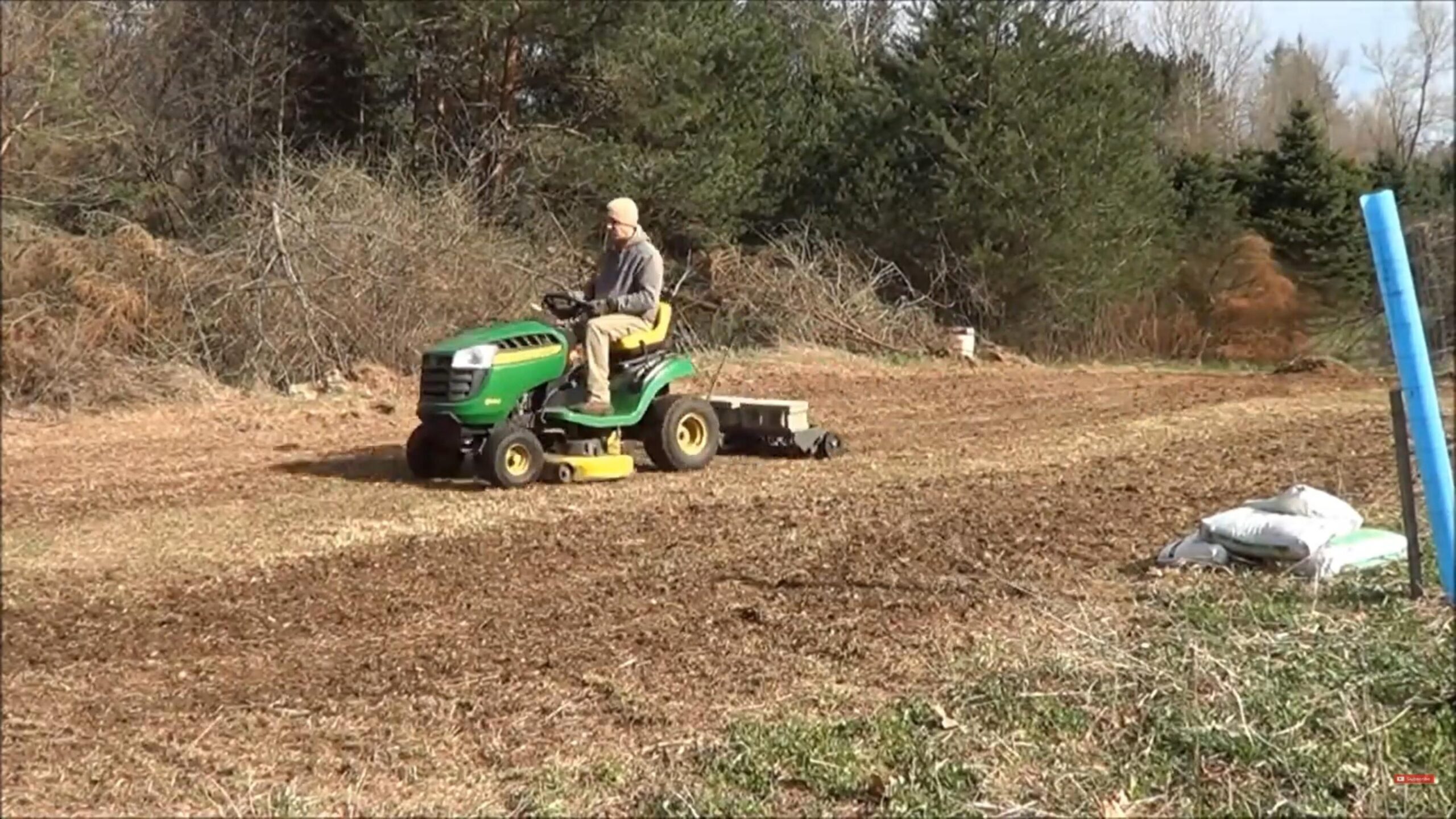
This is where it happens.
Food plots allow you to:
- Grow large volumes quickly
- Harvest multiple times per season
- Replace a significant portion of pellet feed
And the process is simpler than most people think: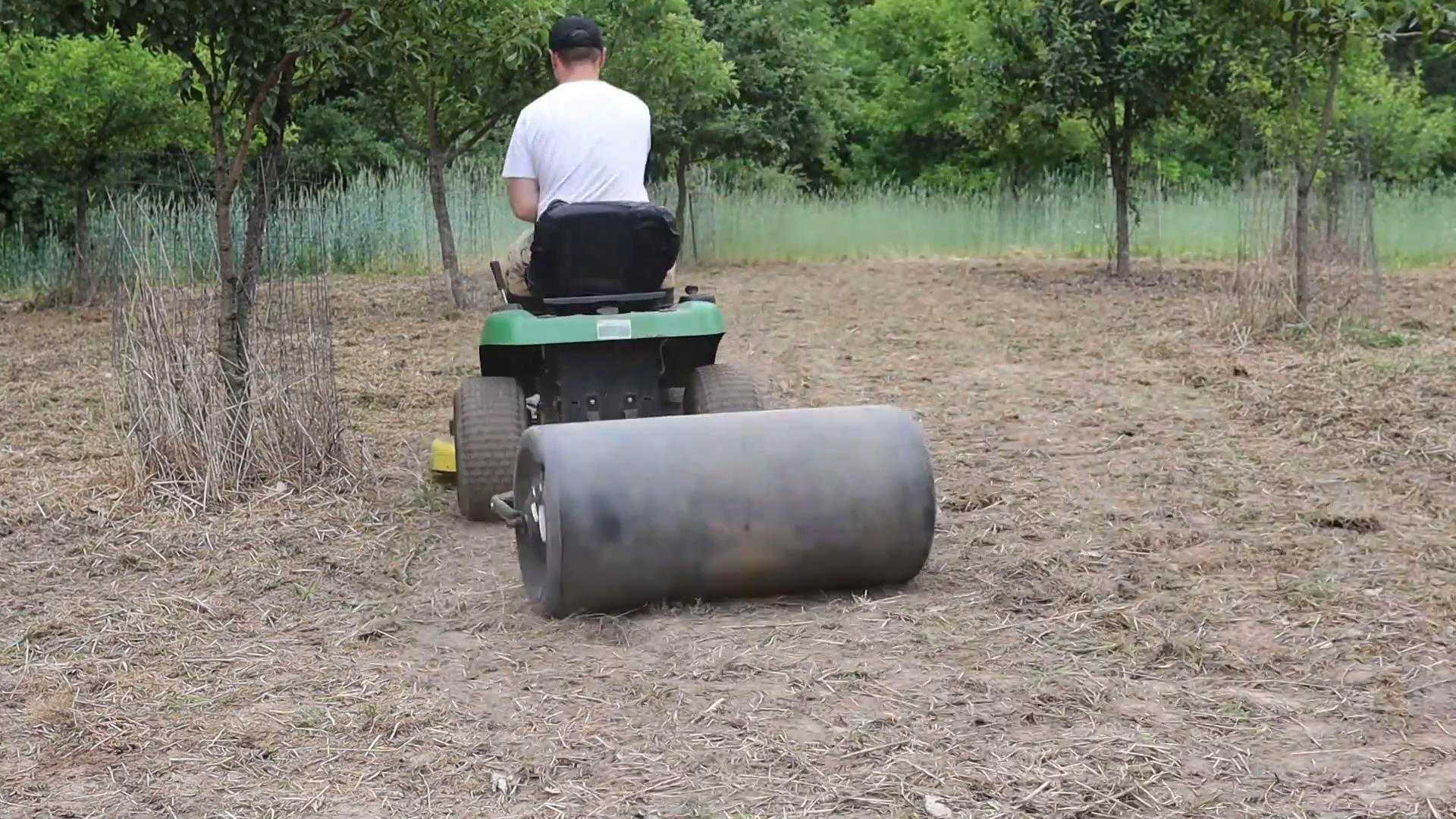
- Clear the area
- Lightly prep the soil
- Broadcast seed
- Press it into the soil
- Time it with rain
👉 Done right, your plot will be 2–3 feet tall and ready to harvest in just weeks
One overlooked factor?
👉 Seed-to-soil contact
Get that right—and everything improves.
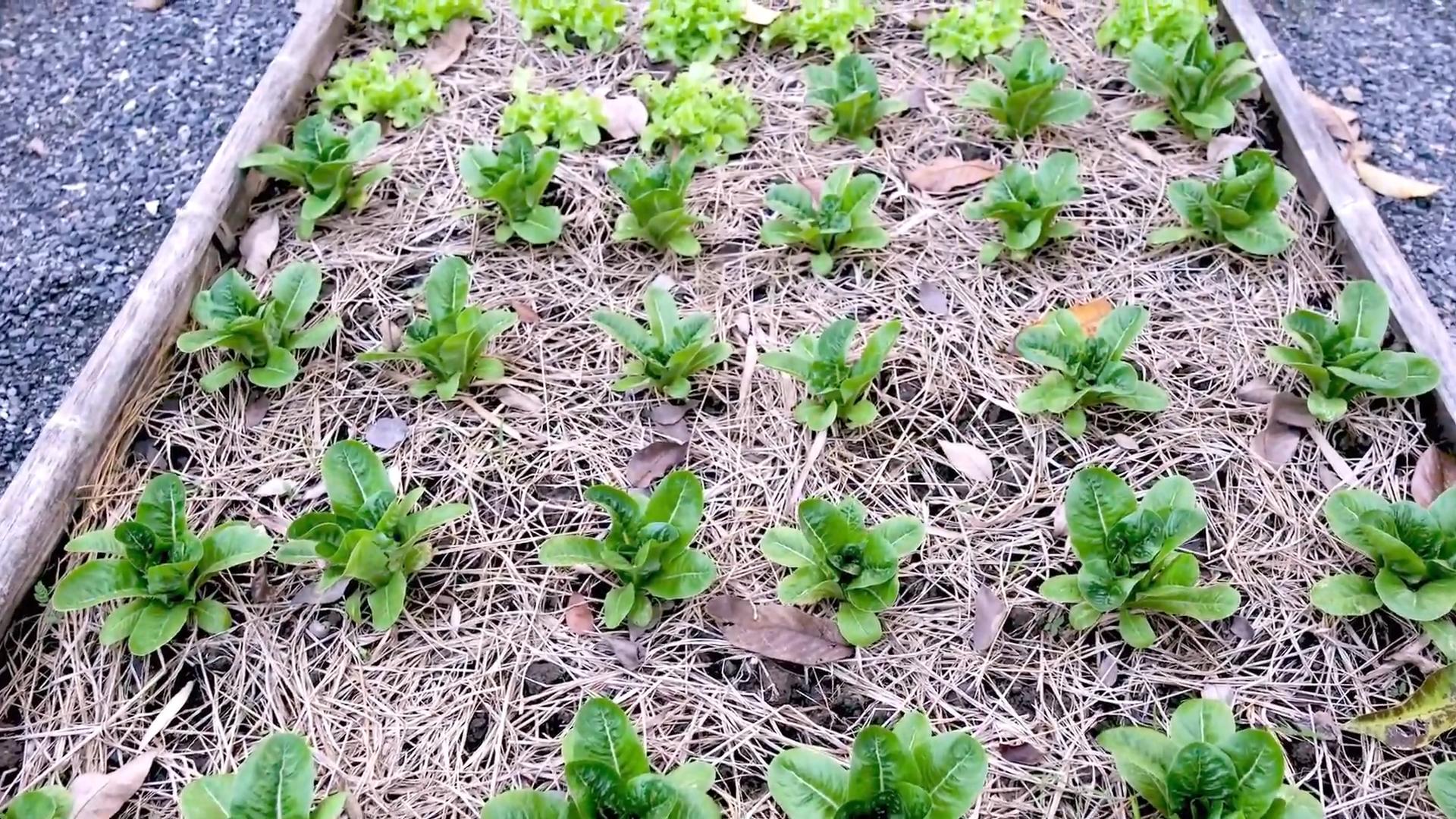
Raised Beds: Control, Quality, and Consistency
Food plots give you volume…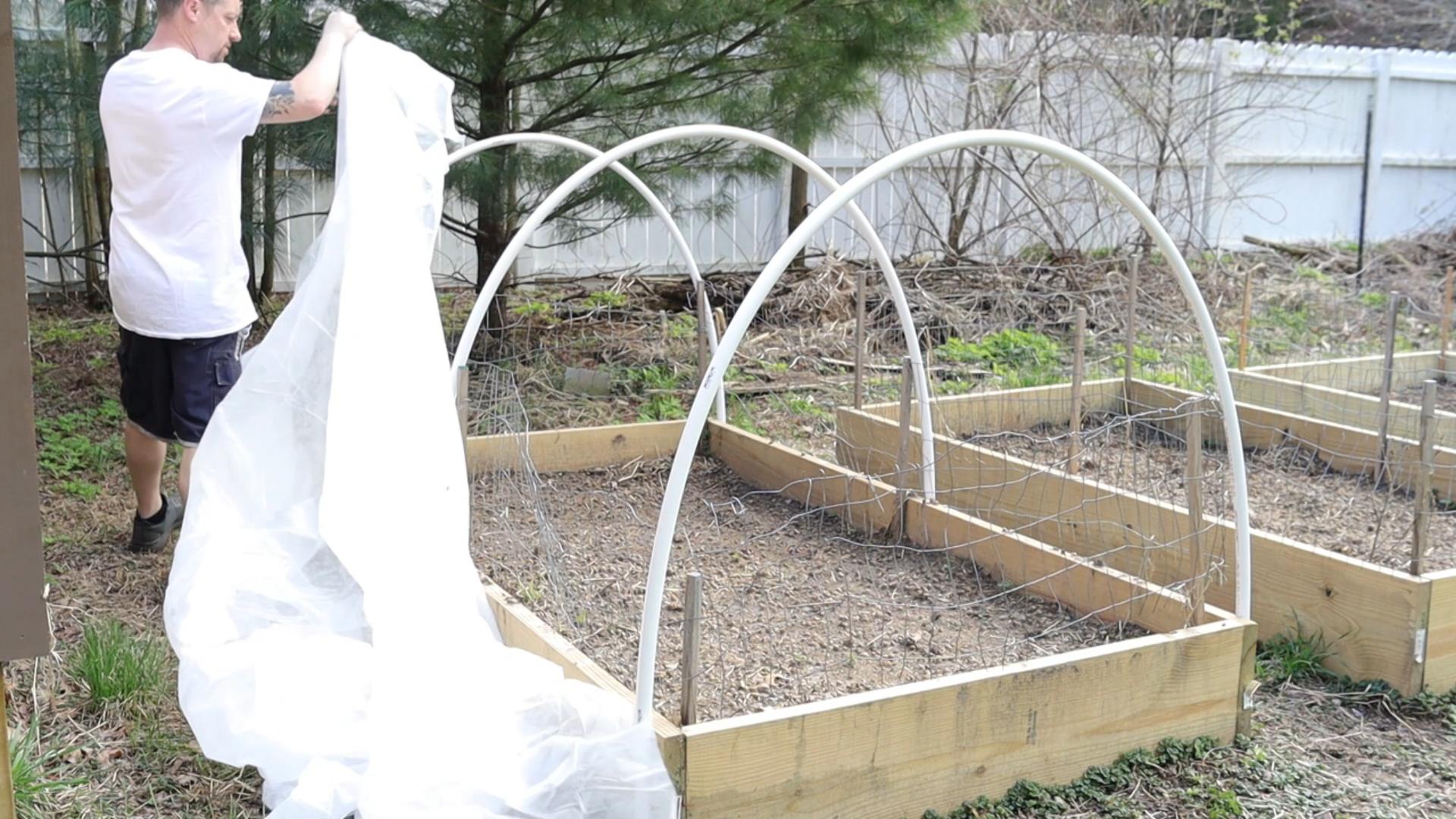
Raised beds give you control.
With raised beds, you can:
- Grow high-nutrient greens
- Control your soil quality
- Harvest consistently
Keep it simple:
- 4’ x 8’ beds
- Strong materials (2×10 or 2×12)
- Rich soil mix (native + compost + organic matter)
And one upgrade that changes everything:
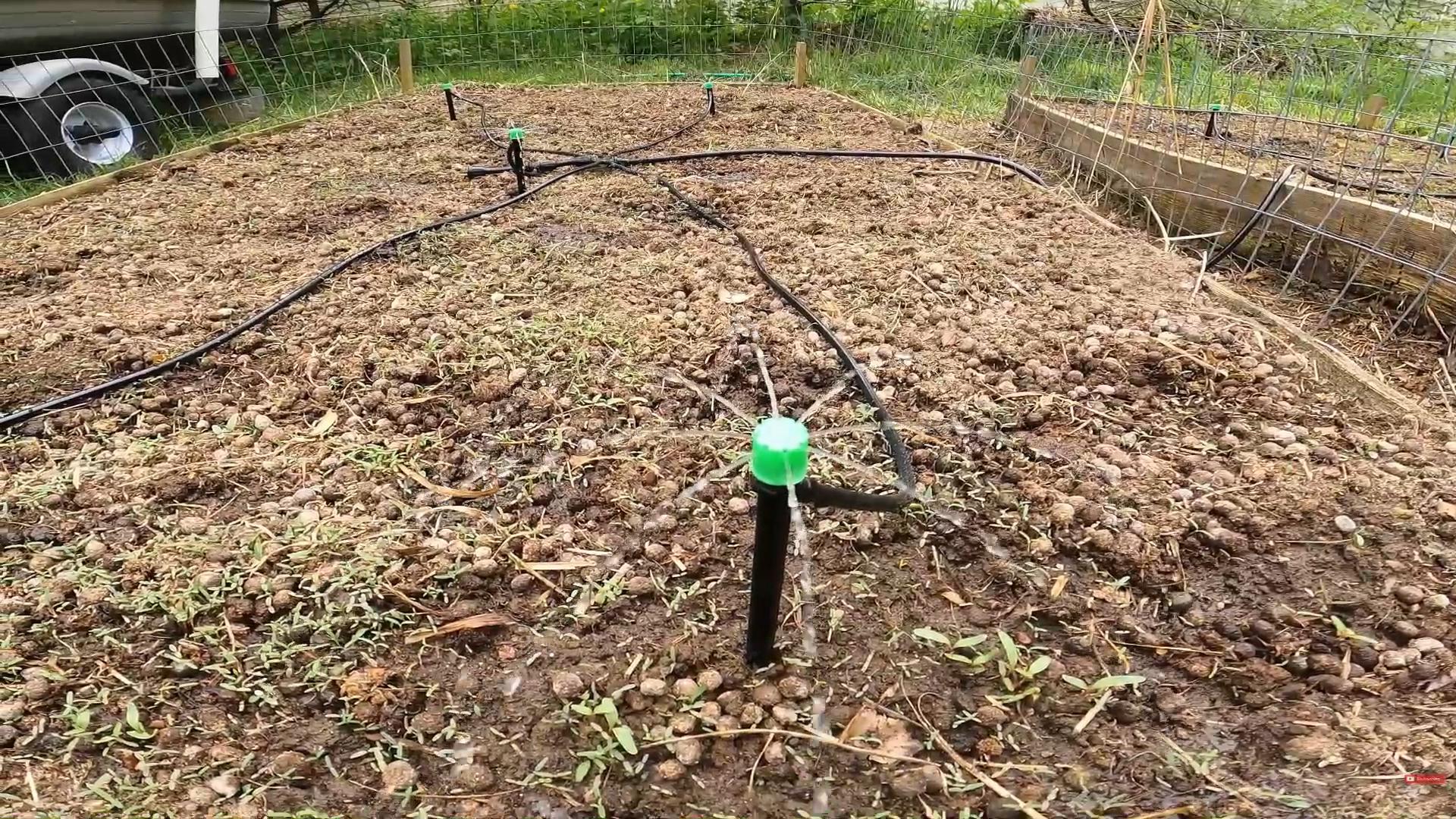
Instead of spending 30–90 minutes watering…
You can set up a simple system that runs itself.
More consistency = better growth = better feed
For more gardening products check out our Amazon picks
Fodder Trees: The Long-Term Advantage
This is where your system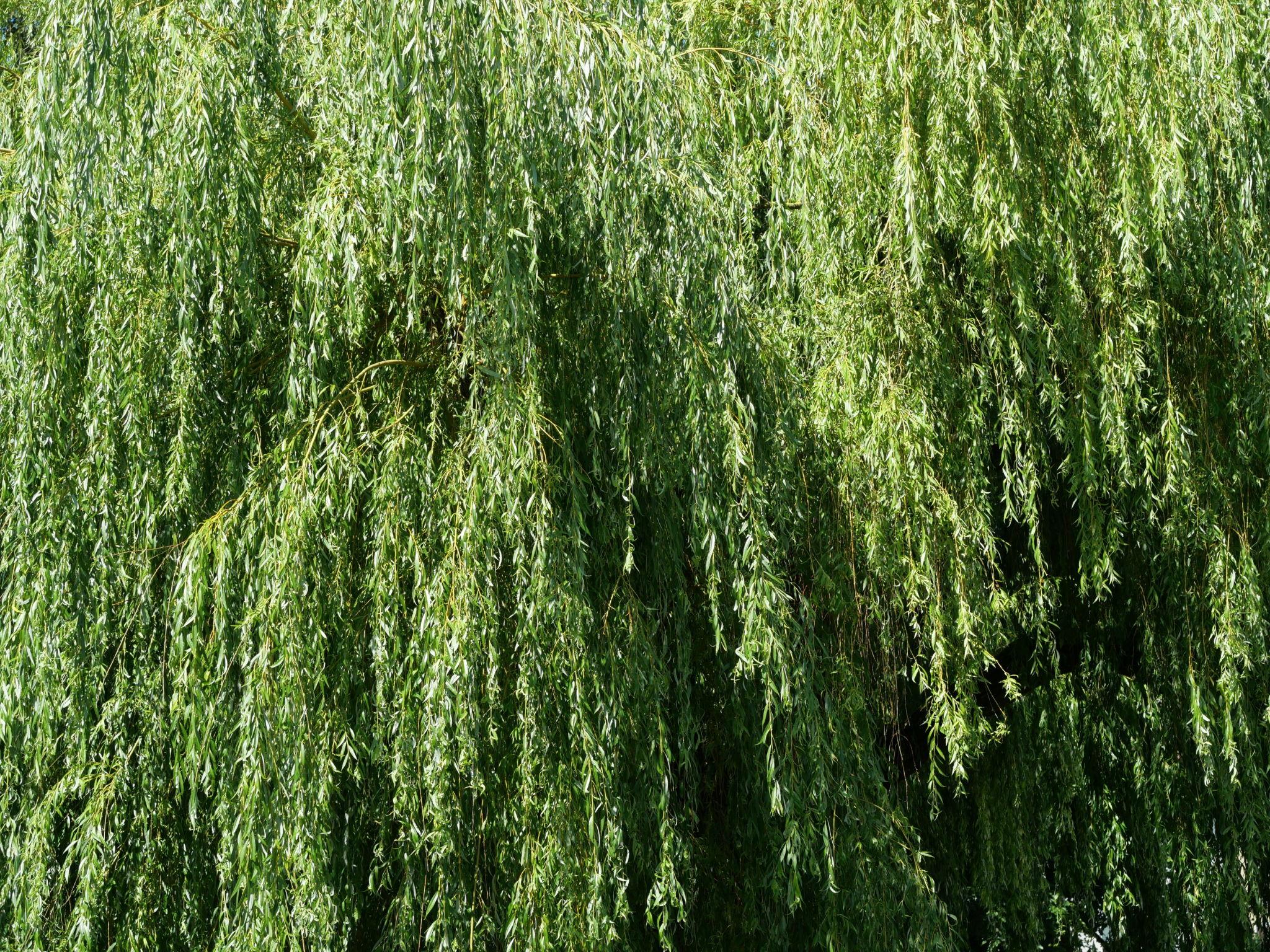 starts to multiply.
Trees like:
- Willow
- Mulberry
- Poplar
- Fruit trees
Provide:
- Leaves (nutrition)
- Branches (fiber and chewing)
- Regrowth year after year
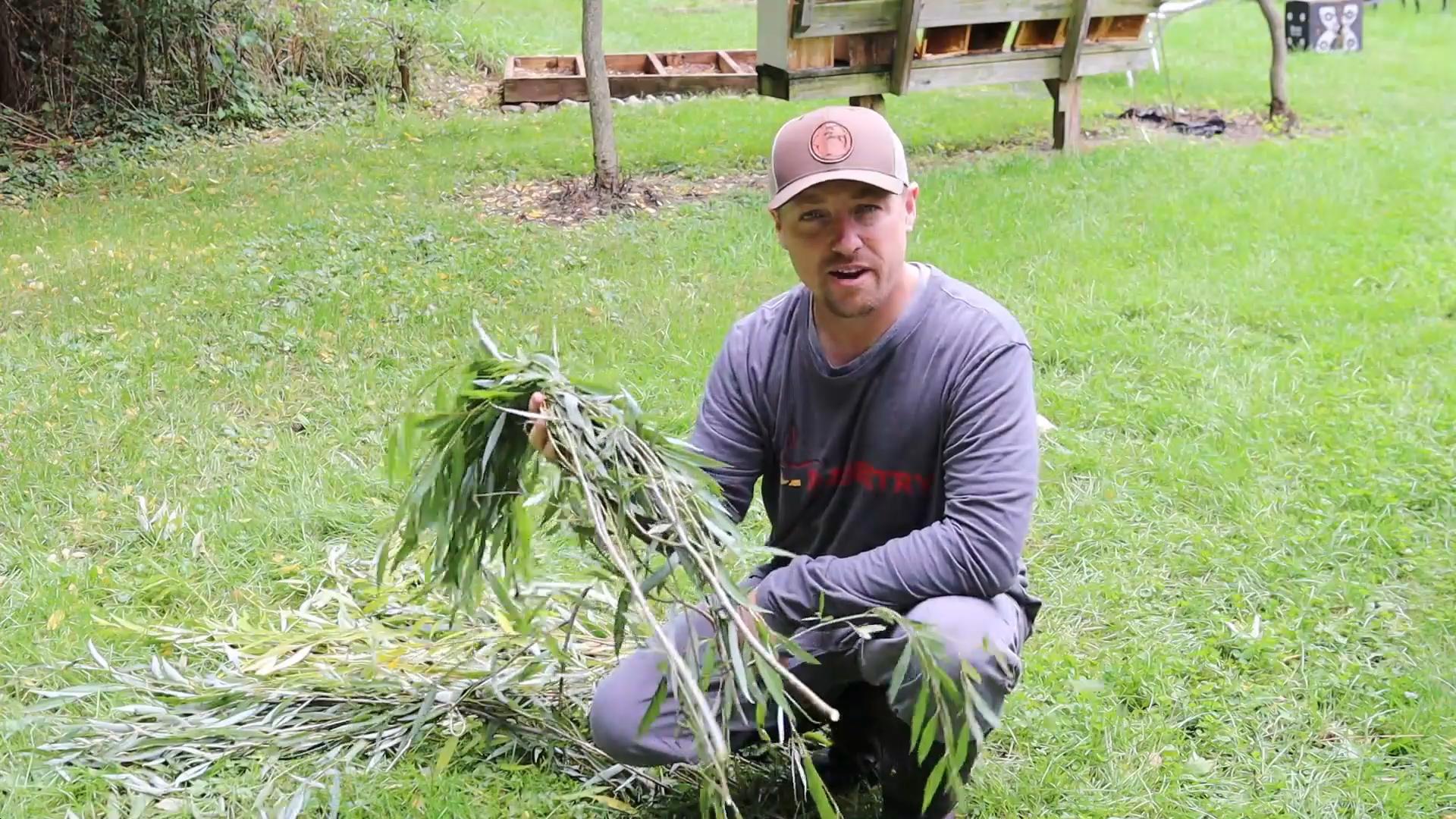
👉 One tree becomes ten
👉 Ten become a feed system
And when you start making tree hay (drying branches for winter)…
Now you’ve built year-round security
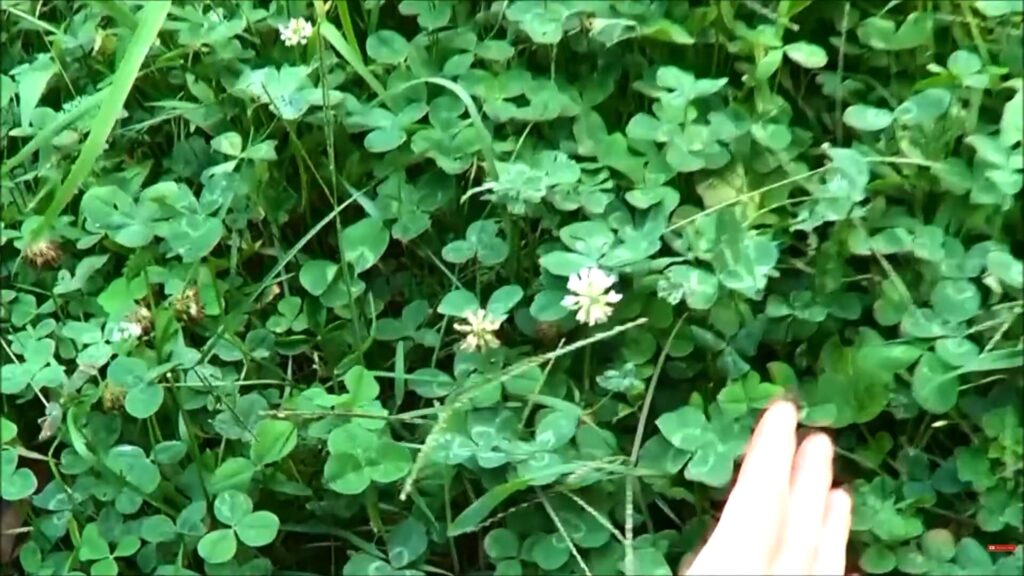 Free Feed Is Already Growing Around You
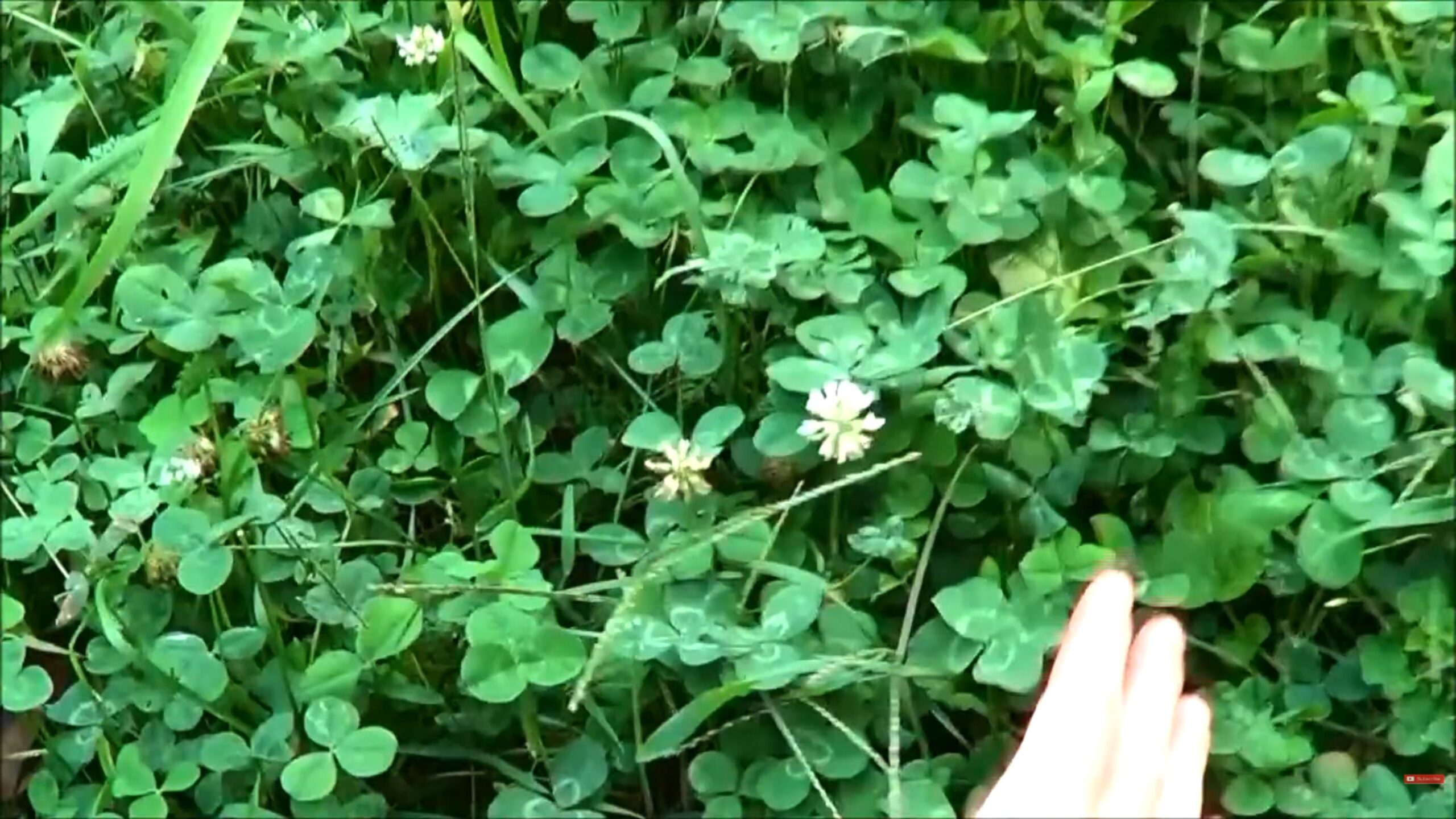
Before you plant anything…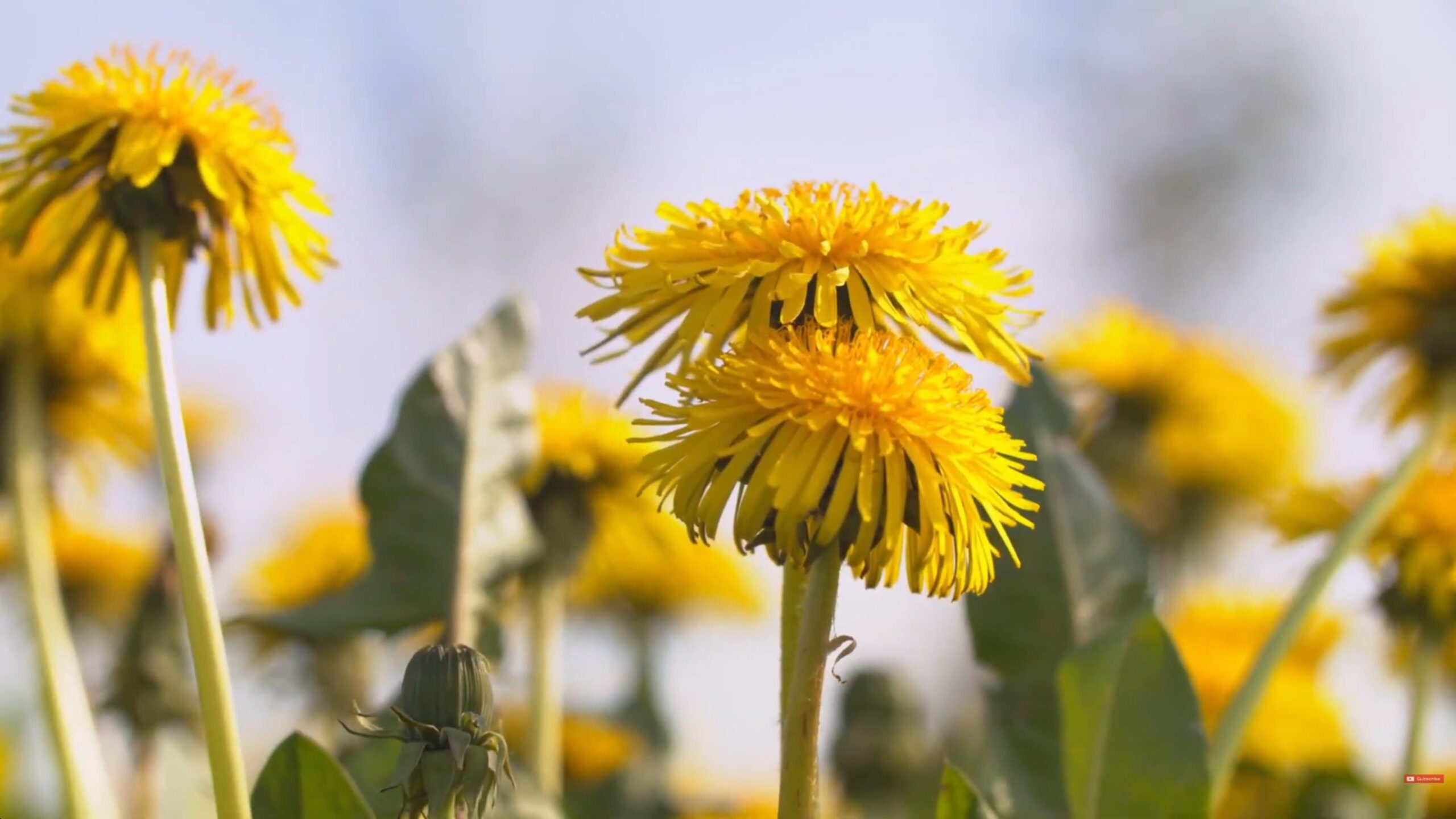
Look at your yard.
You may already have:
- Clover
- Dandelion
- Plantain
- Mixed grasses
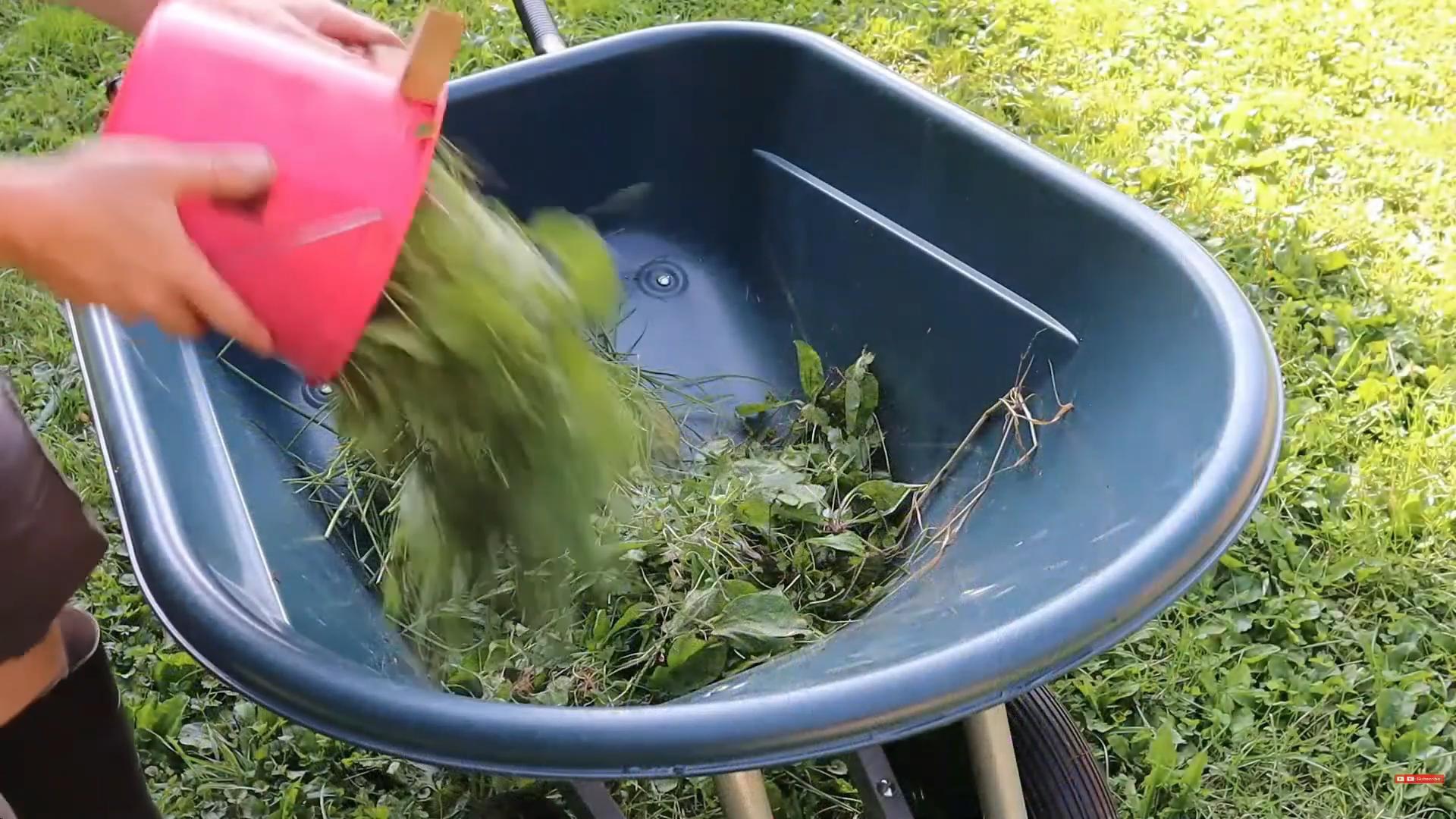
👉 That’s rabbit feed
Most people mow it.
You can harvest it
Winter Is the Real Test
Anyone can grow feed in summer.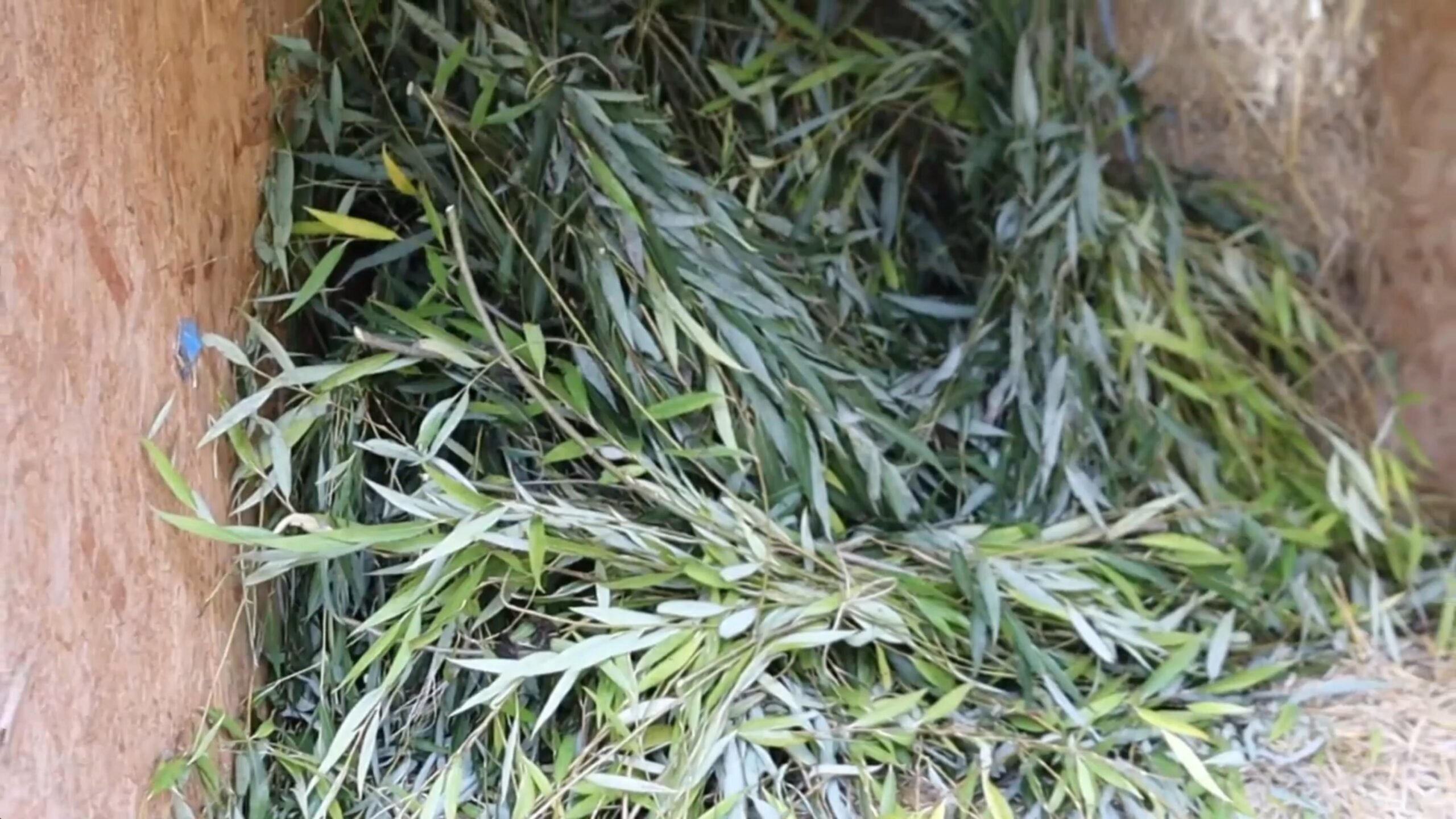
Winter is where most systems fail.
That’s why preparation matters:
- Store hay early
- Dry your forage properly
- Bundle tree hay
- Use fodder systems indoors
A simple fodder setup can produce fresh greens in about 7 days.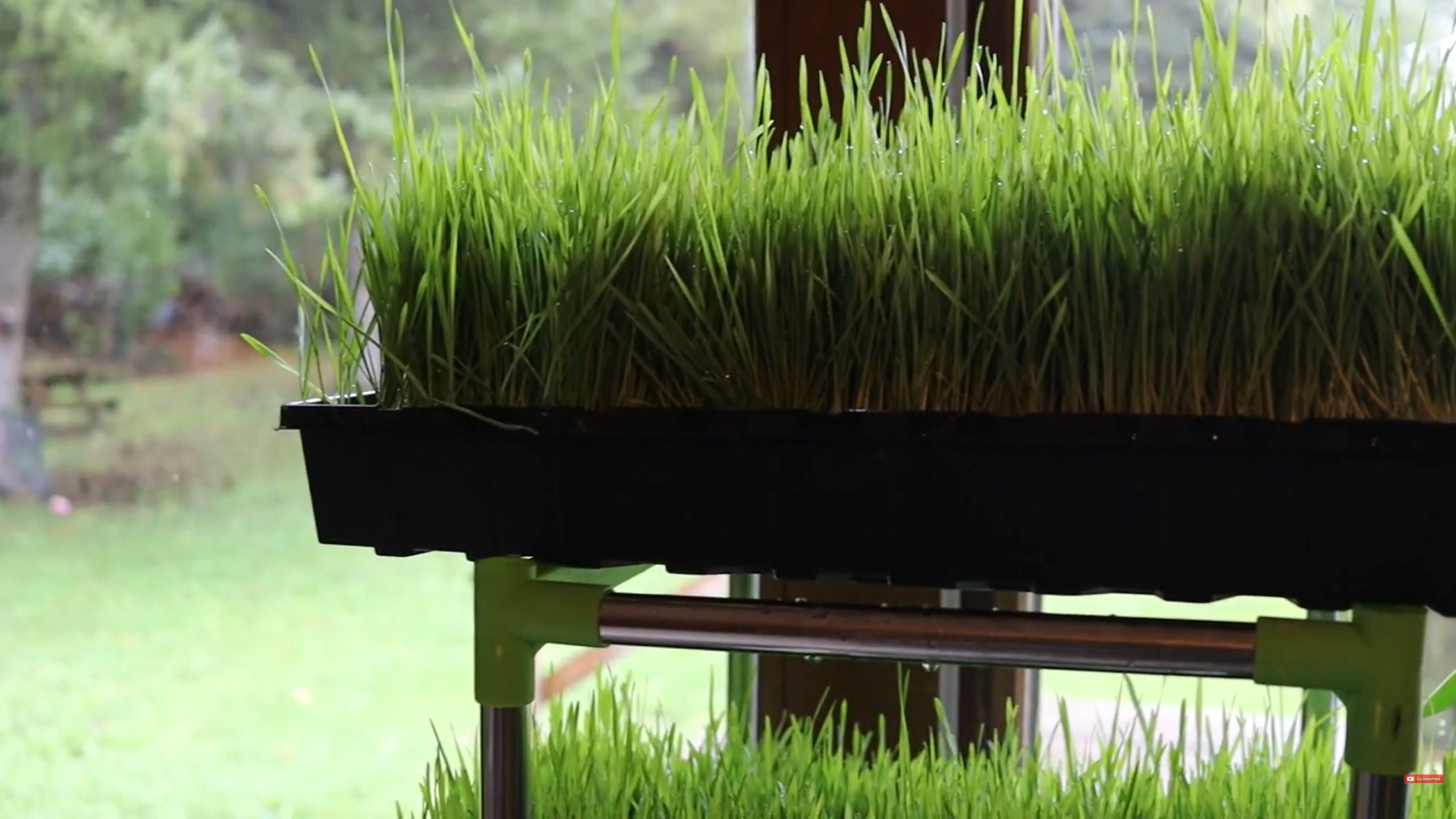
But the key is:
👉 Moisture control, airflow, and drainage
Get that right—and mold becomes a non-issue.
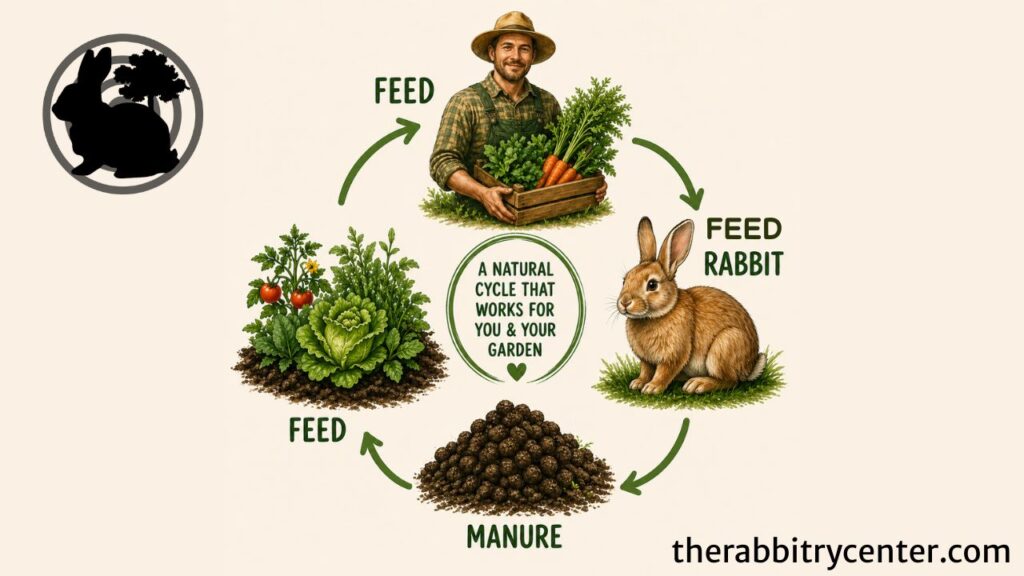 The System Comes Full Circle
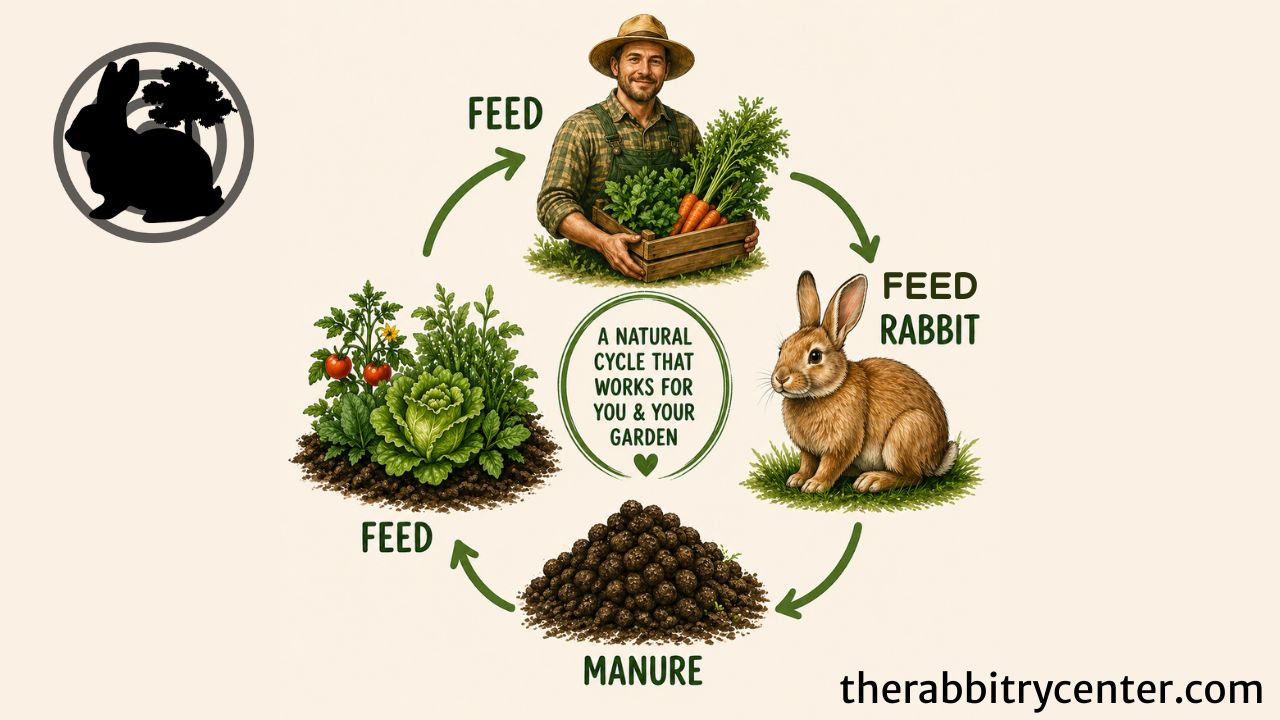
Here’s where it all connects:
Rabbits eat your feed
Rabbits produce manure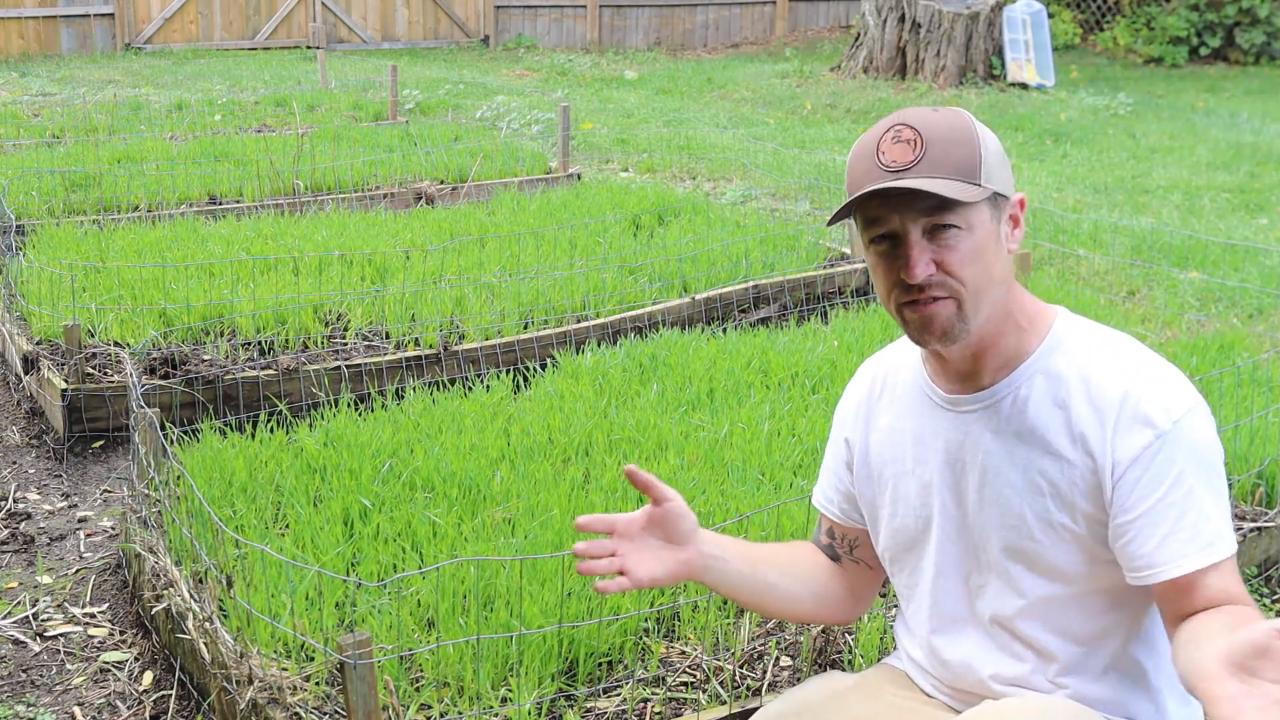
Manure feeds your soil
Soil grows better feed
👉 Feed → Rabbit → Manure → Feed
That’s not just efficient…
That’s sustainable
Keep It Simple (This Is Where Most People Get Stuck)
There are endless plant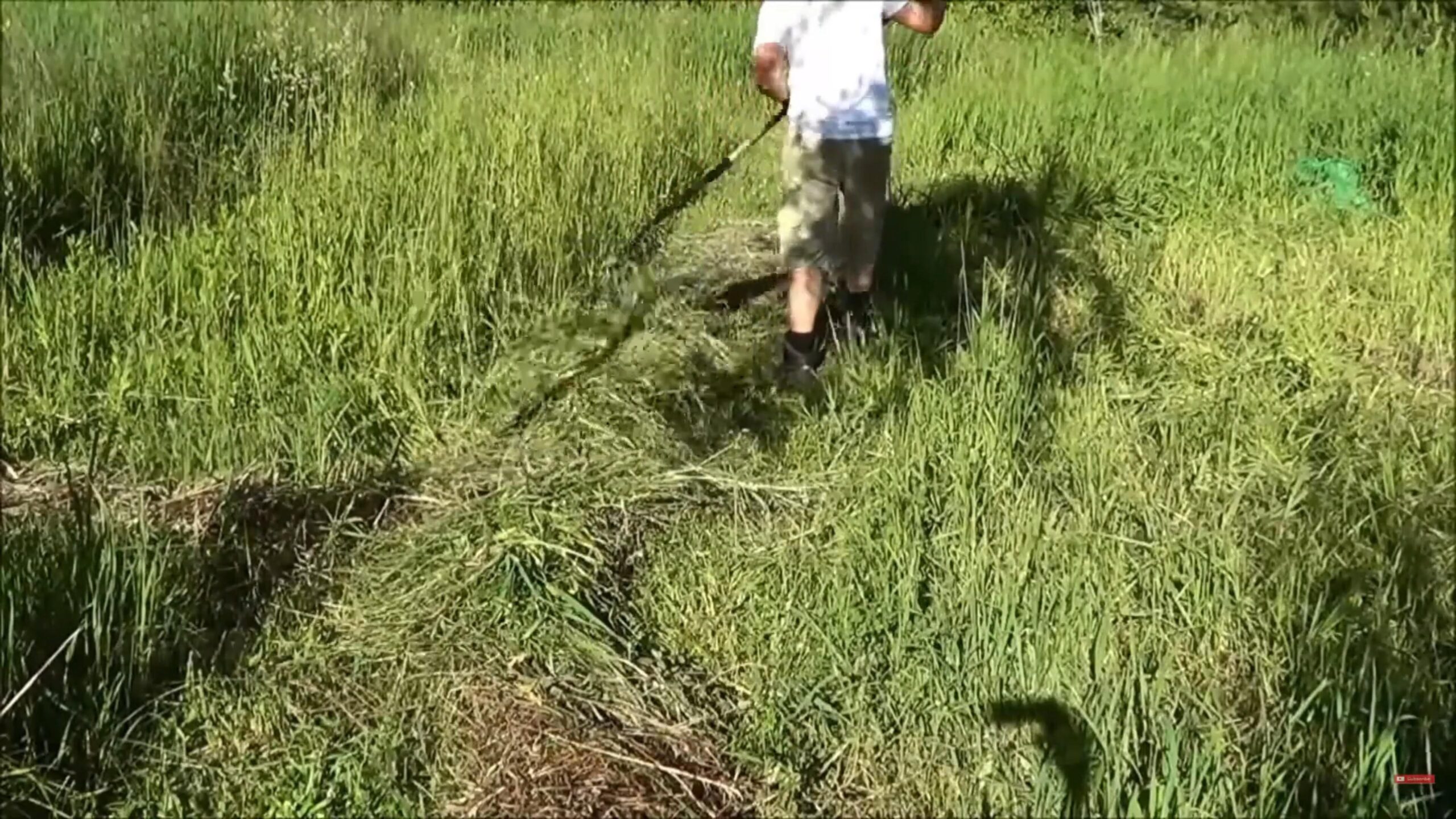 options, methods, and opinions.
Don’t overthink it.
Start with:
- A small plot
- A raised bed
- A few trees
Build from there.
👉 Progress beats perfection every time
Imagine This…
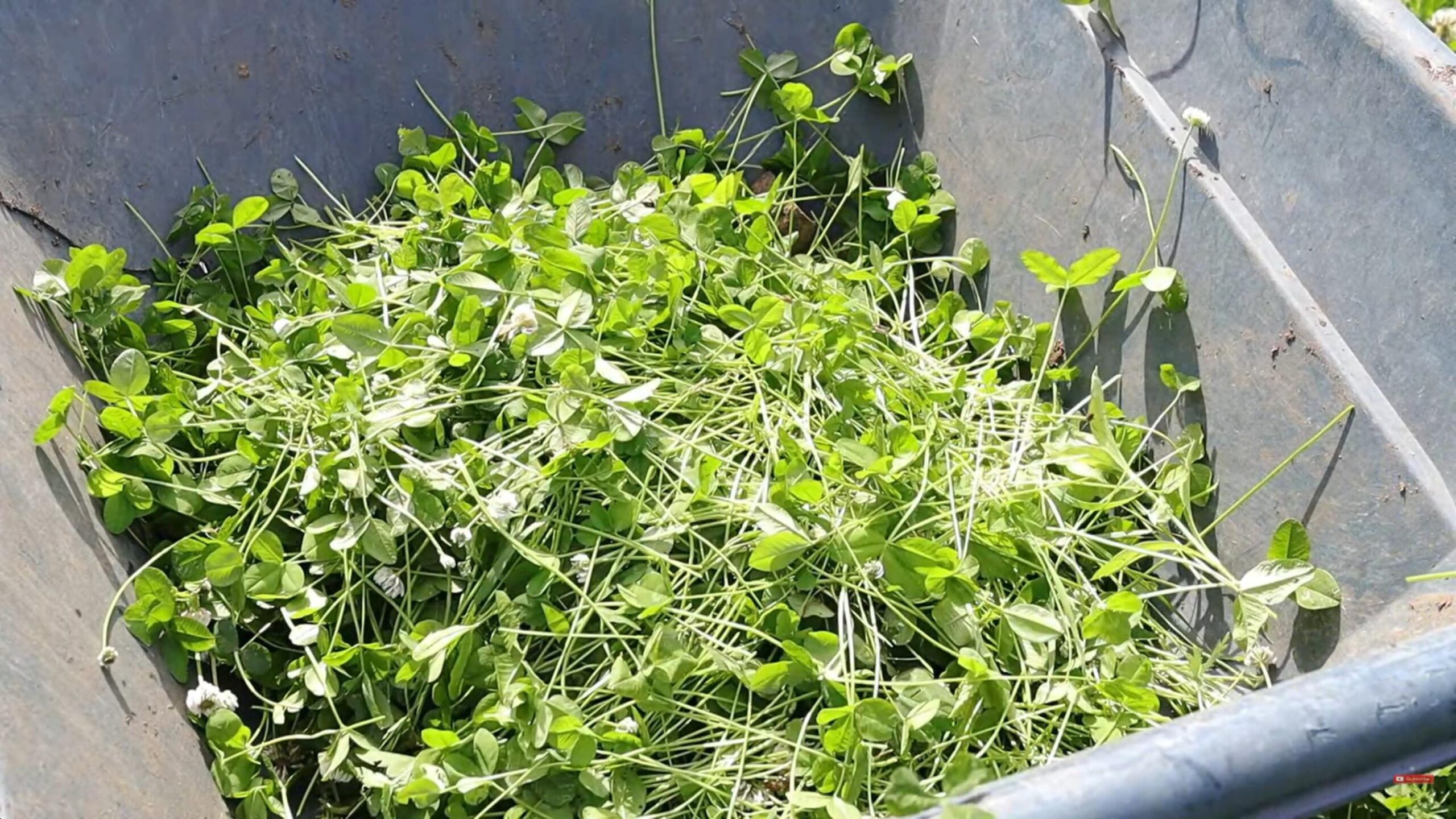
Instead of relying on the feed store…
You’re harvesting:
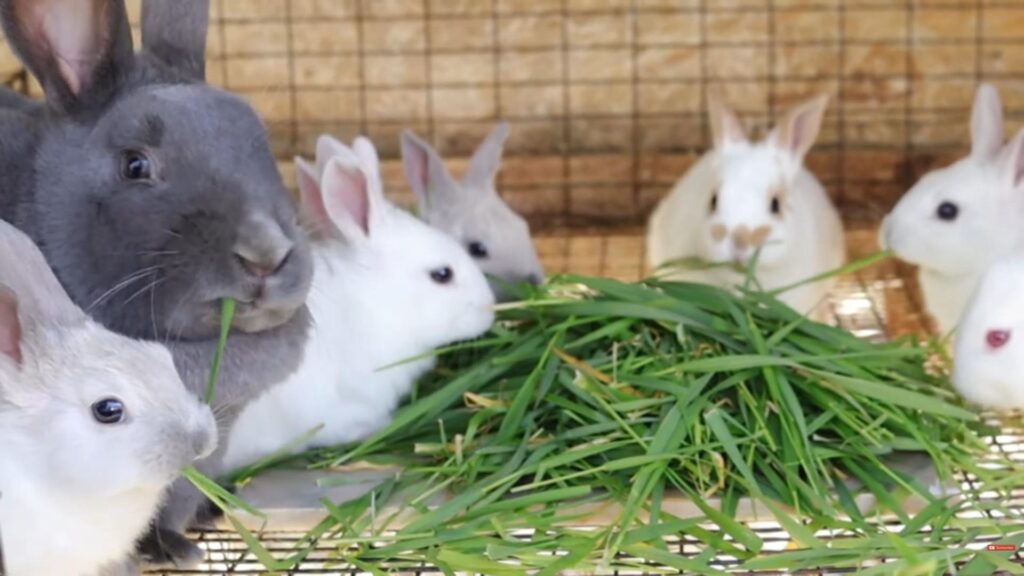
Fresh greens
Tree branches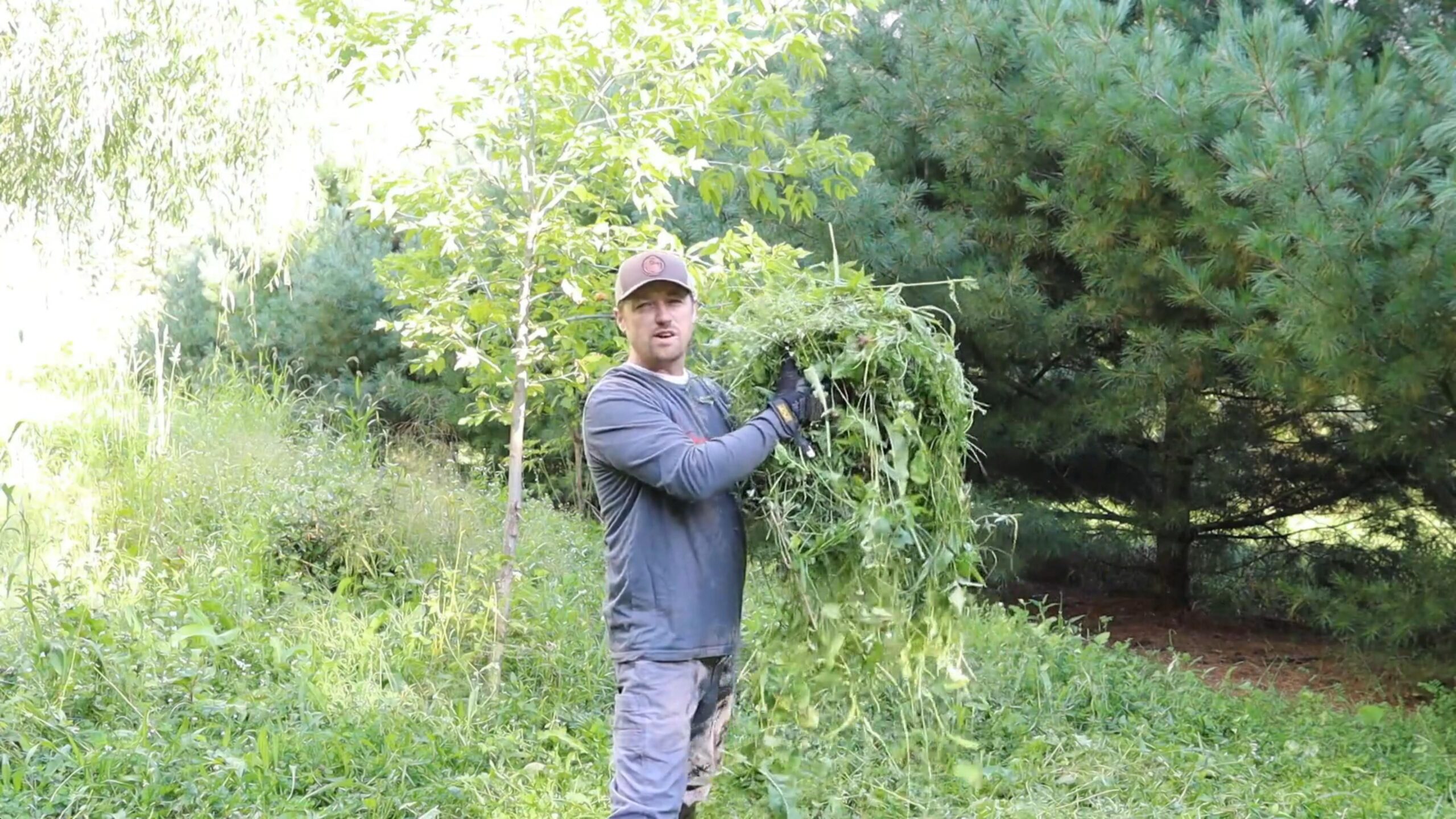
Stored forage
Your rabbits are thriving.
Your costs are dropping.
Your system is growing stronger every season.
That’s what this is about. Try The Rabbitry Center’s Bunny Buffet Seed Blend
🚨 Want the Full System?
If this got you thinking…
If you’re ready to take control of how you feed your rabbits…
Then this is your next step.
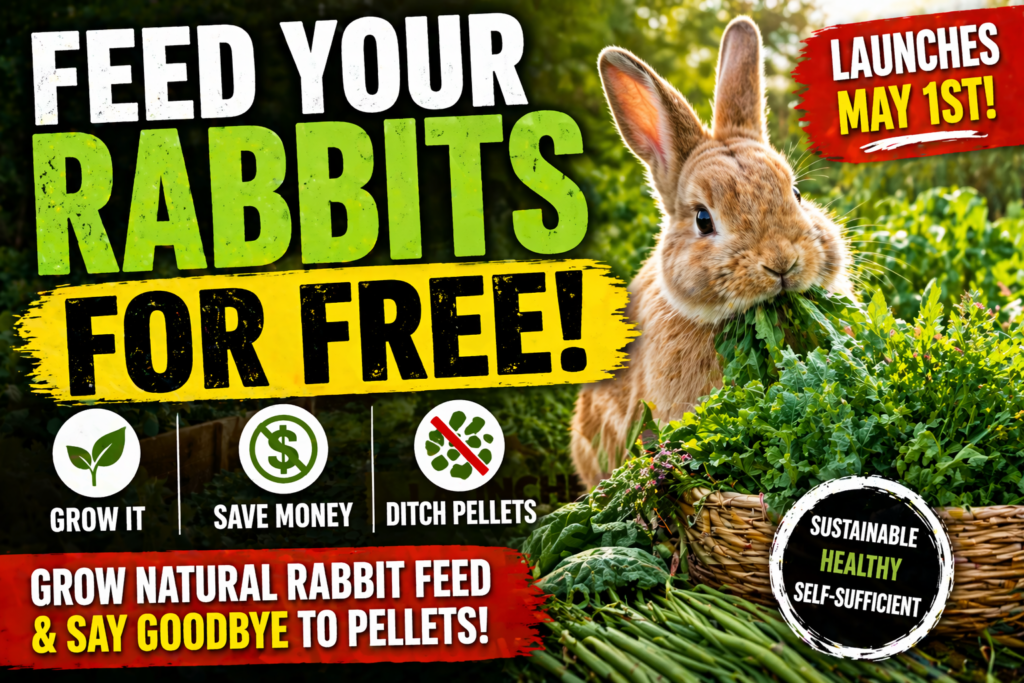 The Grow Your Own Rabbit Feed Course launches May 1st
Inside, I walk you through:
- Exactly what to grow and when
- How to build a complete feed system step-by-step
- How to transition safely off pellets
- How to grow feed even in small spaces
- How to store and feed year-round
👉 This is the exact system I use
No guessing. No confusion. Just a clear path forward.
Final Thought
You don’t need more land.
You don’t need expensive equipment.
👉 You need a system.
And once you build it…
It feeds your rabbits for years.