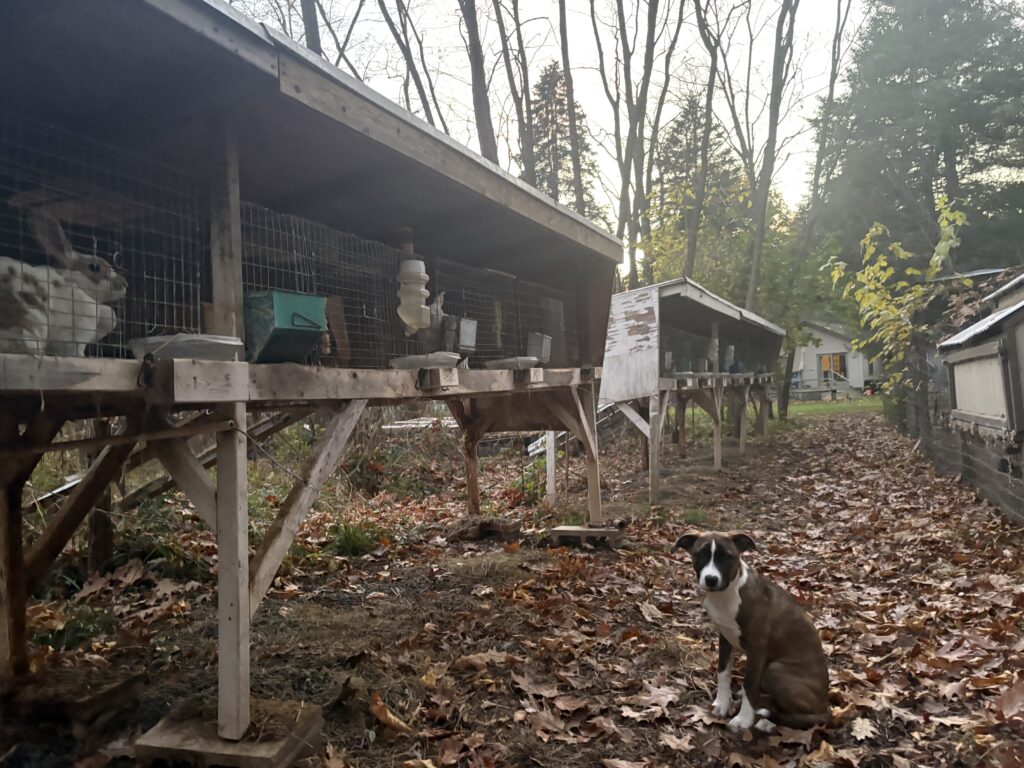
From the Rabbitry to the Whitetail Woods: Fall Lessons in Self-Reliance
The Rabbitry Center Podcast | Fall 2026
Preparing for winter, growing our own food, caring for the bees, and discovering why the hardest hunts often teach us the most.
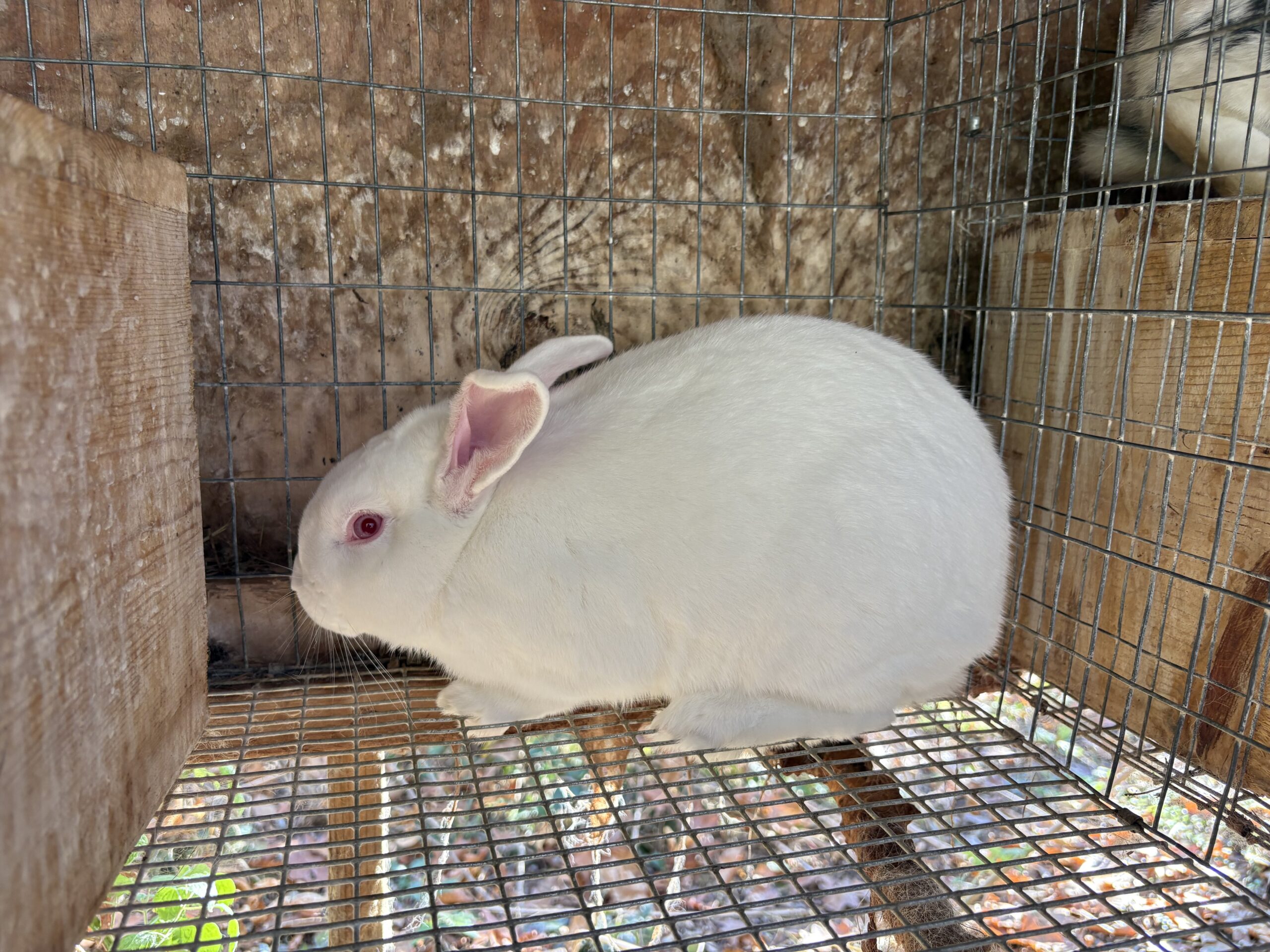
Hey, everybody! Welcome back to The Rabbitry Center.
Fall is one of my favorite times of year here in Michigan. The garden is winding down, the rabbits are getting ready for winter, the bees are tucked away, and deer season is in full swing.
It’s also one of the busiest times of year.
Between working, taking care of the animals, preparing for winter, and spending as much time in the woods as possible, there’s never a shortage of things to do.
But that’s part of the lifestyle we’ve chosen, and I wouldn’t trade it.
Preparing the Rabbitry for Winter
We’ve been busy getting the rabbitry ready for another Michigan winter.
We’ve made our seasonal culls, moved our up-and-coming breeders into their permanent spots, and started preparing our hutches for freezing temperatures.
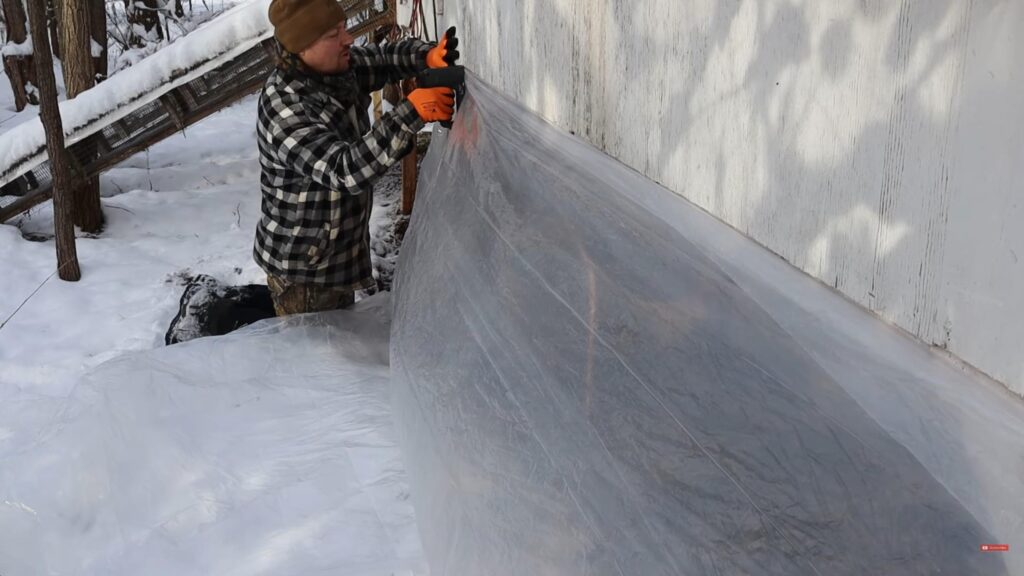
One of the biggest priorities is keeping the rabbits dry and protected from the wind without sacrificing ventilation.
We use six-mil plastic to block the prevailing winds, stock up on pellets and hay, and make sure we’ve got a reliable way to provide fresh water when the outdoor spigot freezes.
We’re also preparing for winter litters. That means having dry nesting material available, keeping a close eye on our does, and making sure newborn kits stay protected from the cold.
After doing this for so many years, you learn that preparation makes winter chores a whole lot easier.
Knowing When to Hire Help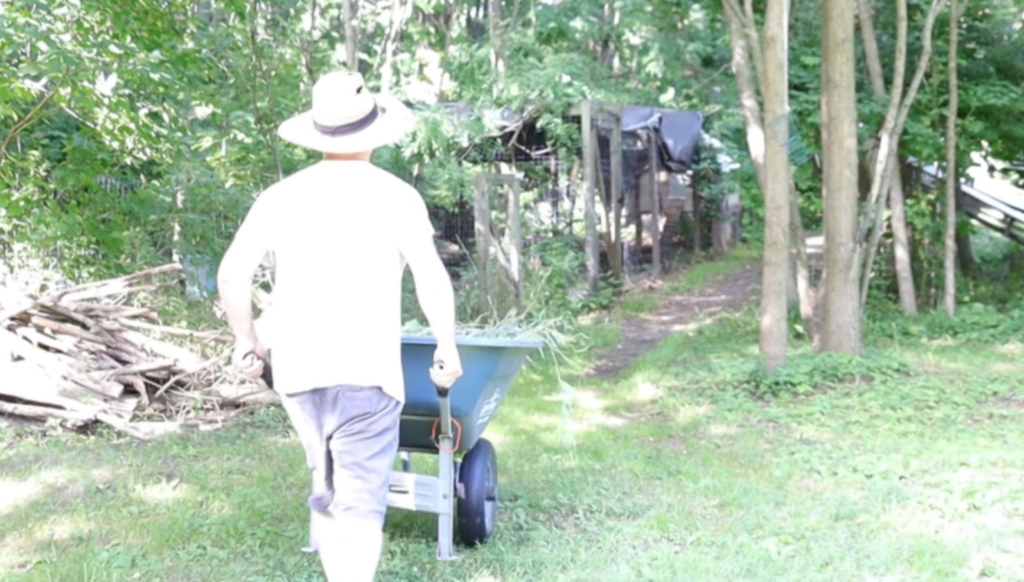
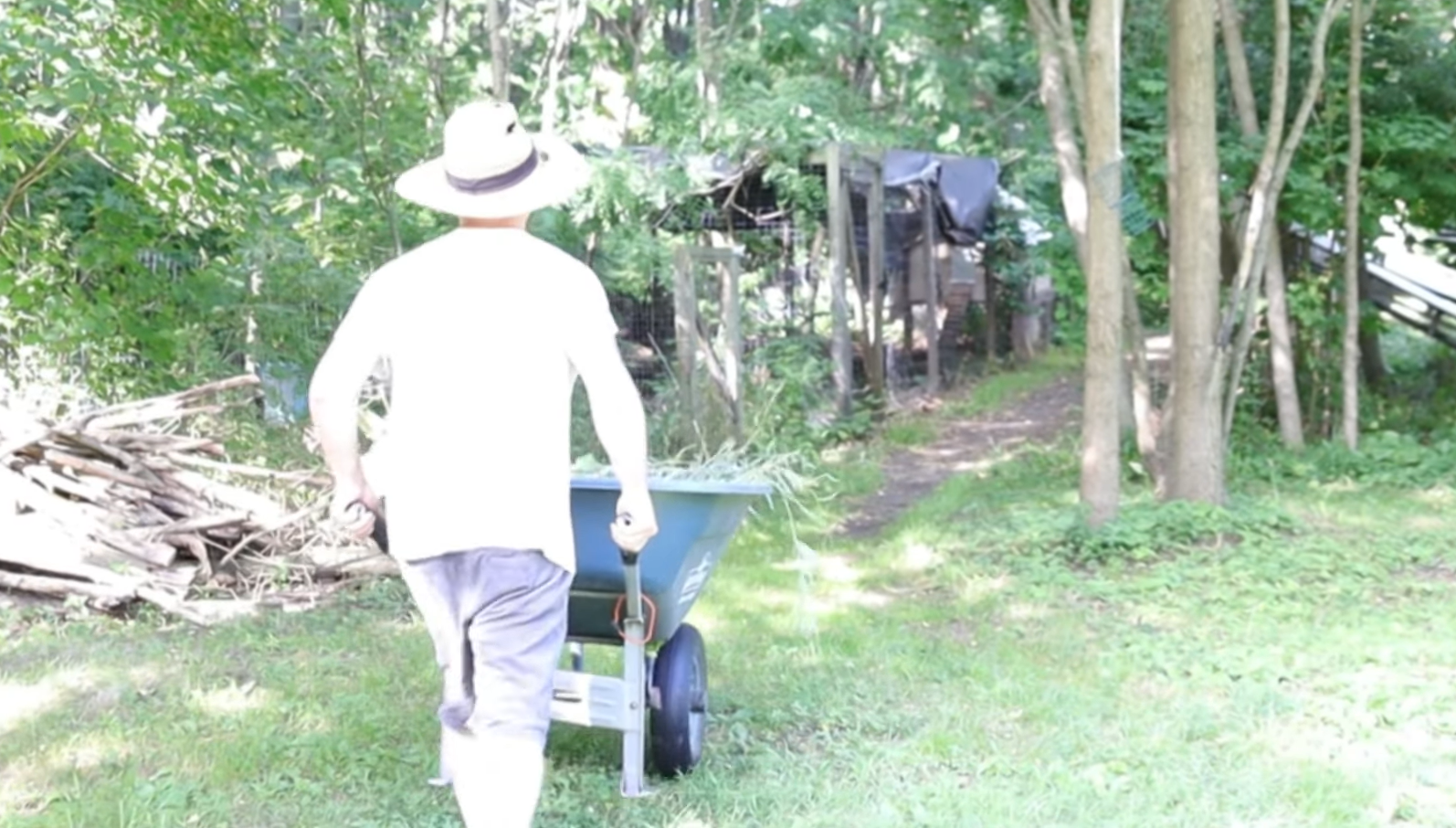
One of the biggest changes we’ve made this fall is hiring somebody to help clean the hutches and chicken coop twice a month.
When you first start raising rabbits, you do everything yourself. And that’s a good
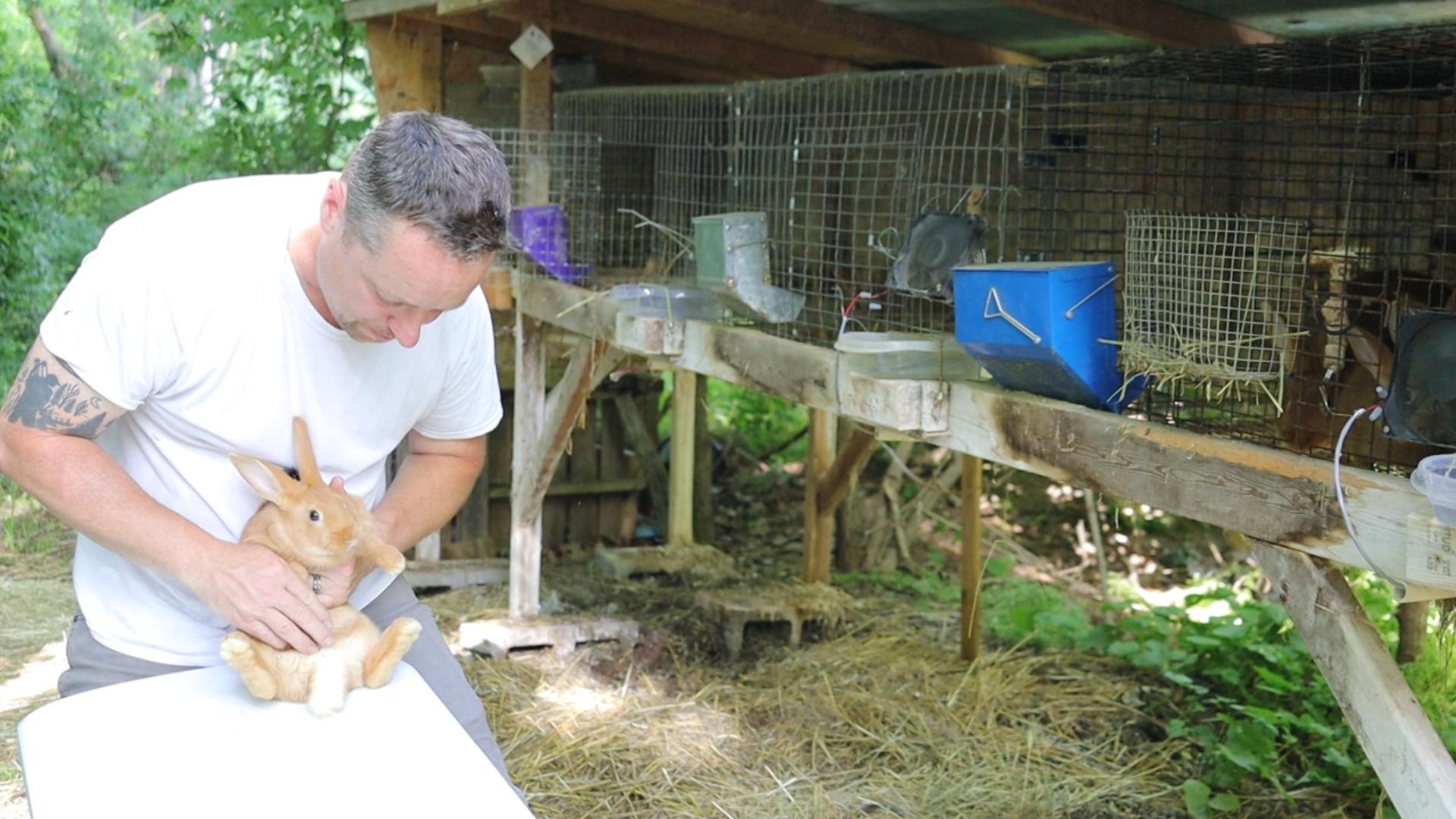
thing because you learn every aspect of the operation.
But eventually, you have to ask yourself whether your time could be better spent somewhere else.
Maybe that’s spending more time with your family, improving your breeding program, making videos, or simply enjoying the lifestyle you worked so hard to build.
Hiring help doesn’t necessarily mean growing your business. Sometimes it means making the business you already have more manageable.
How Raising Rabbits Led to Gardening and Beekeeping
It’s funny how one interest can lead to another.
We started raising rabbits, but over the years, that lifestyle opened the door to all kinds of new opportunities.
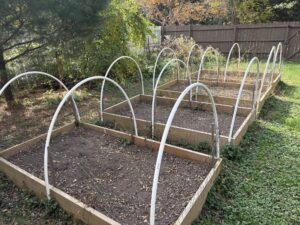
We’d always enjoyed gardening, but after moving to the country, I started building more raised beds and experimenting with different crops.
Eventually, I became interested in growing food plots for whitetail deer.
That led me to study soils, plant nutrition, and growing conditions. I even became certified in pesticide application and turf management.
And before long, I realized something.
A lot of what I was learning about growing food for wildlife could also help us grow food for our rabbits and chickens.
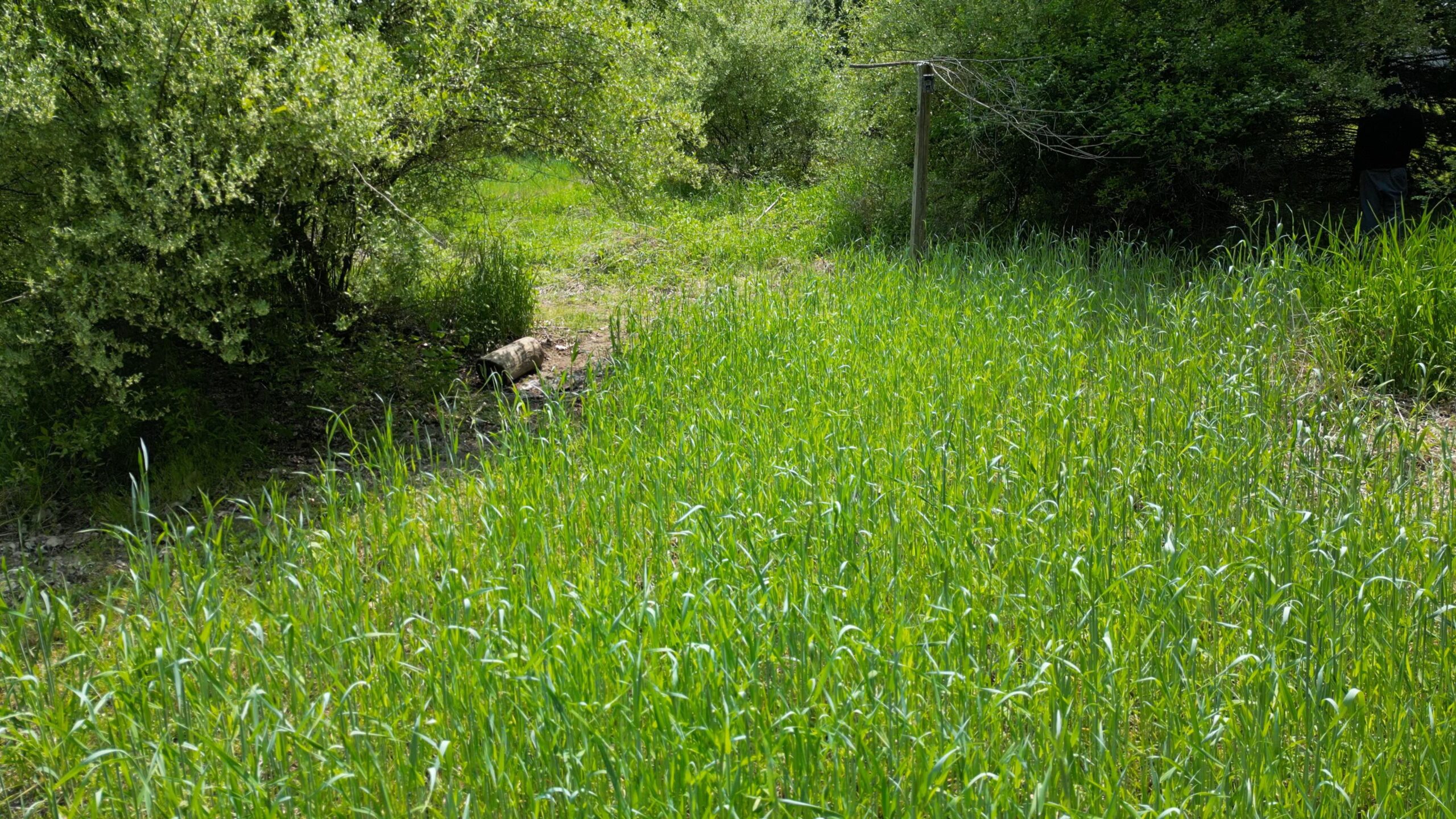 We started experimenting with crops like winter wheat and other forage plants.
Growing some of our own feed helped reduce expenses, and that became especially valuable during the pandemic when feed prices and availability were concerns for so many people.
Eventually, I turned much of what I’d learned into the Bunny Buffet Blend and our Grow Your Own Feed course.
That’s something I really enjoy about this lifestyle. The more you learn, the more you realize how everything connects.
Getting the Bees Ready for Winter
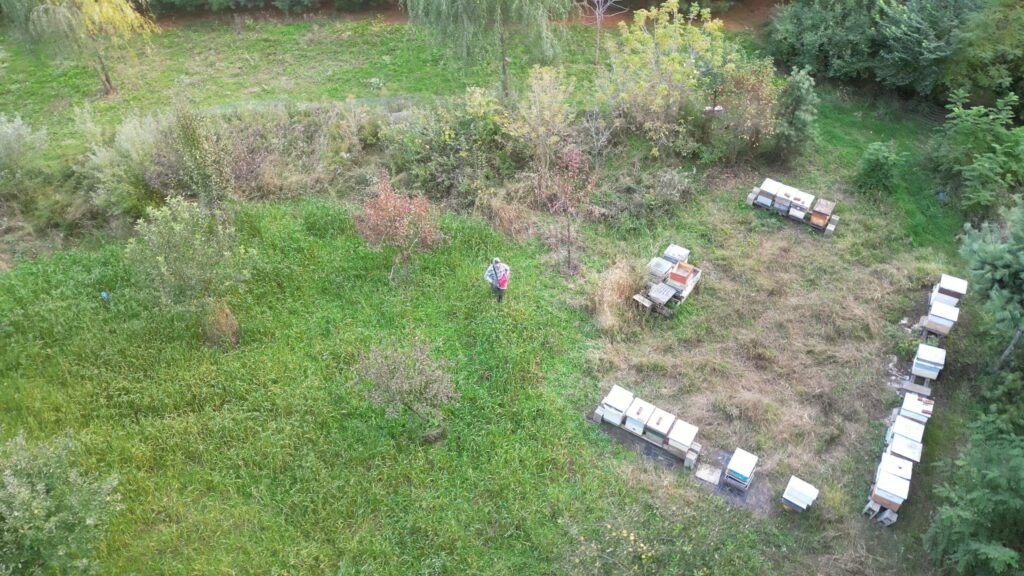
Beekeeping has become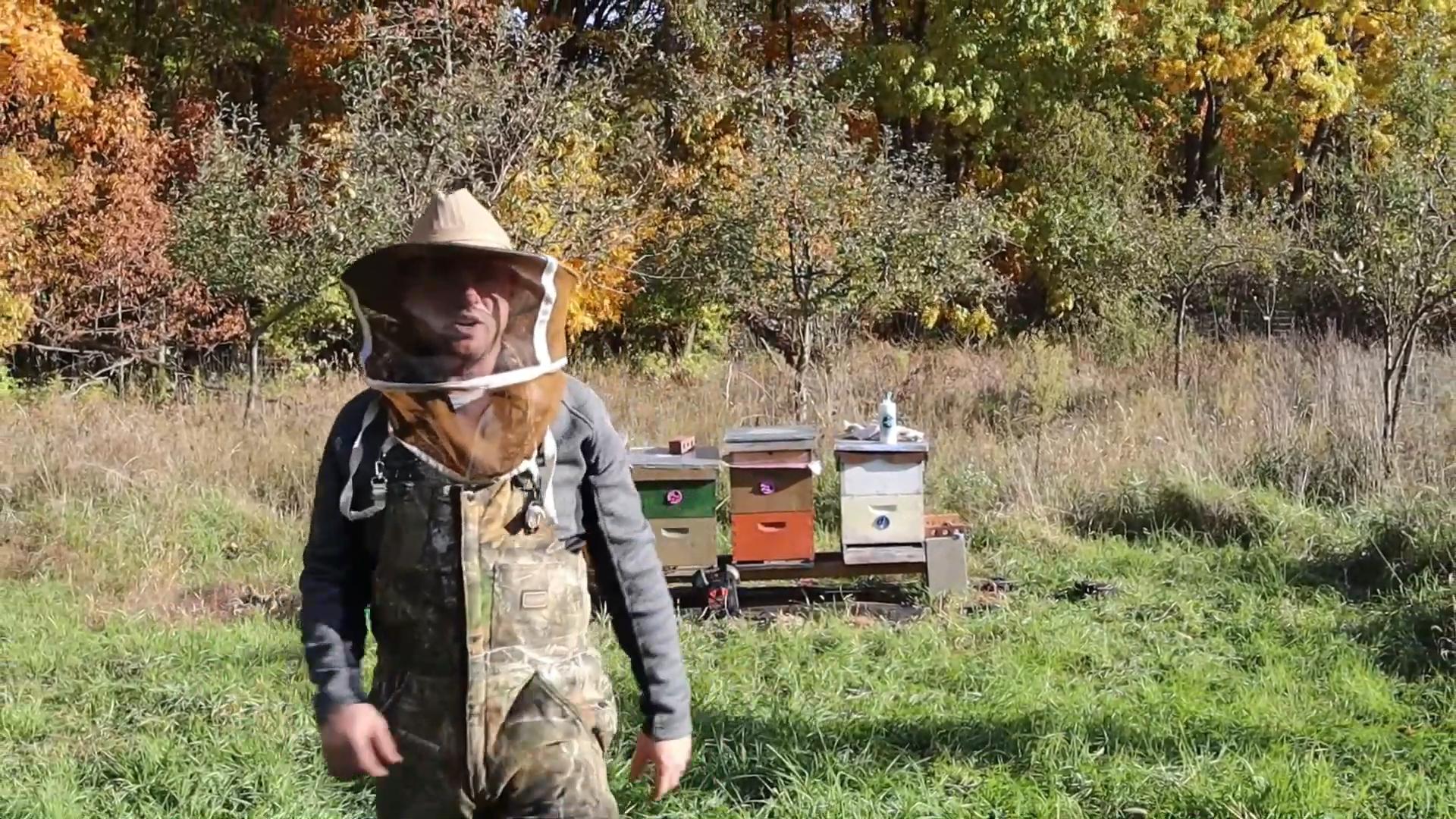 another important part of what we do.
By the time November rolls around, most of our major work is finished.
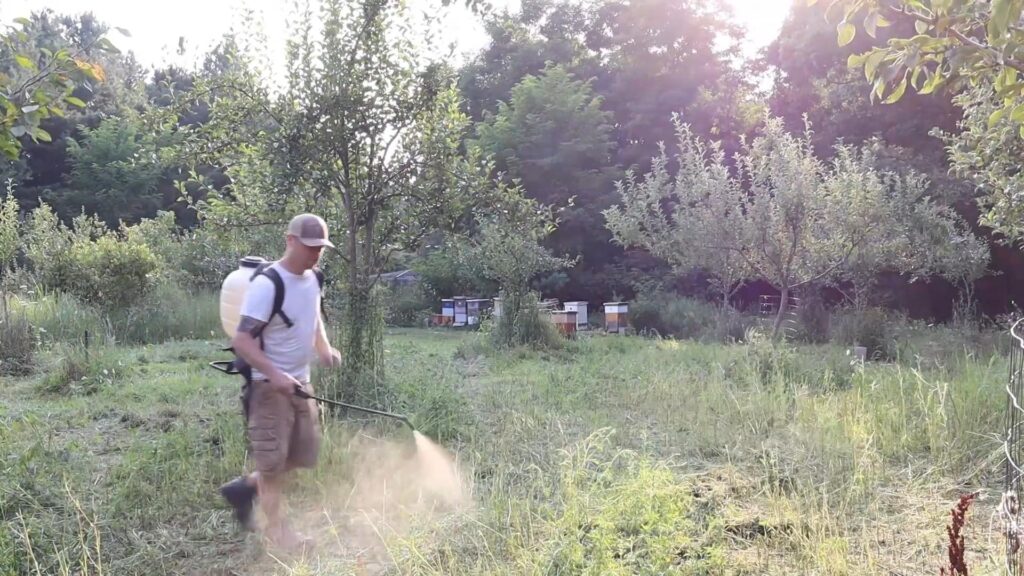
We’ve completed our fall mite treatments, made sure the colonies have adequate food stores, combined colonies when necessary, and prepared the hives for winter. Tap to watch a treatment.
We haven’t been inside the hives for several weeks now.
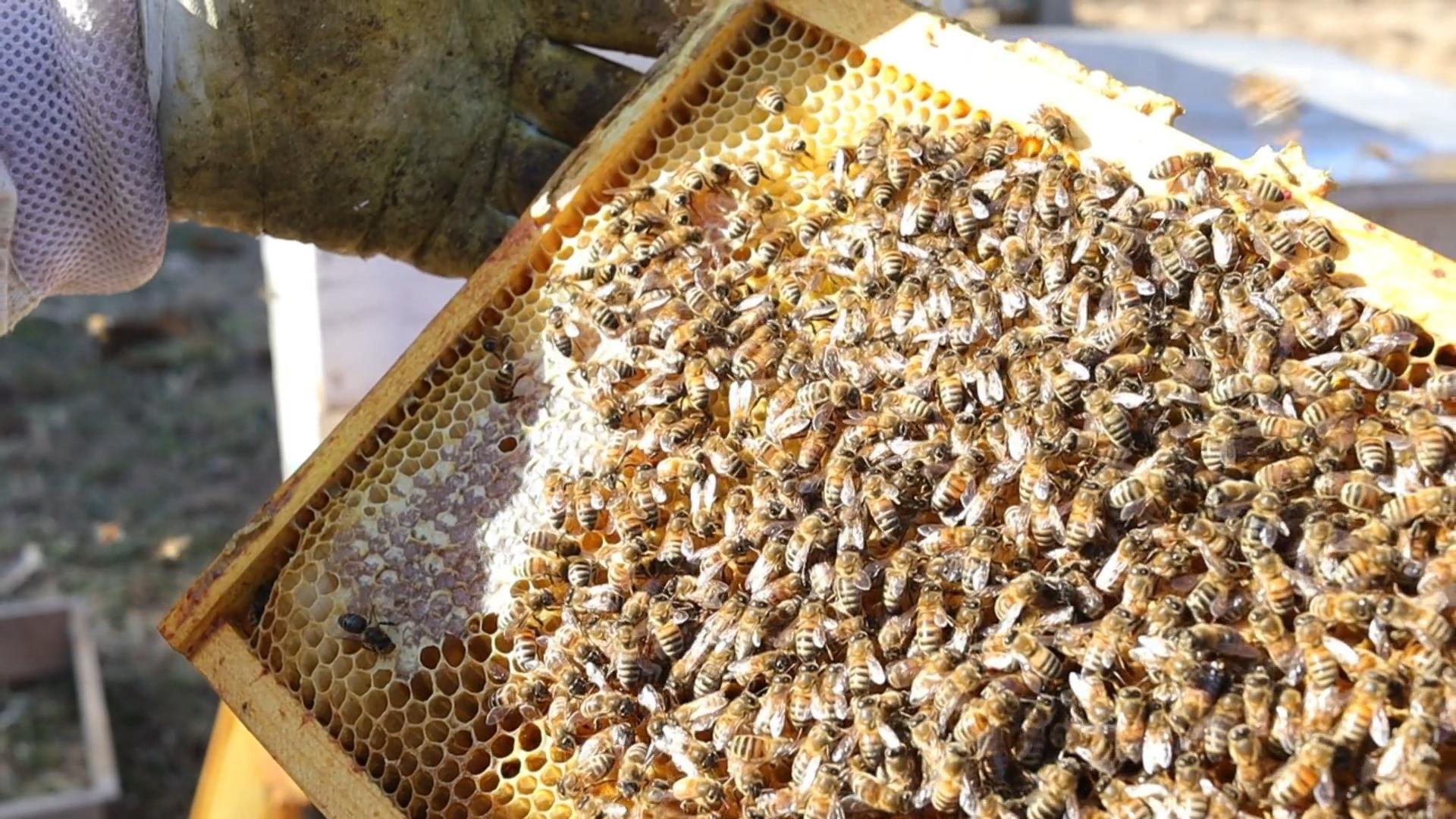 But on those warmer fall afternoons, it’s amazing to see how active the bees can still be.
There’s something rewarding about watching everything you’ve worked on throughout the spring and summer settle into its winter routine.
The rabbits are prepared, the garden is winding down, and the bees are ready.
And for me, that means it’s time to head into the woods.
What Deer Hunting Means to Me
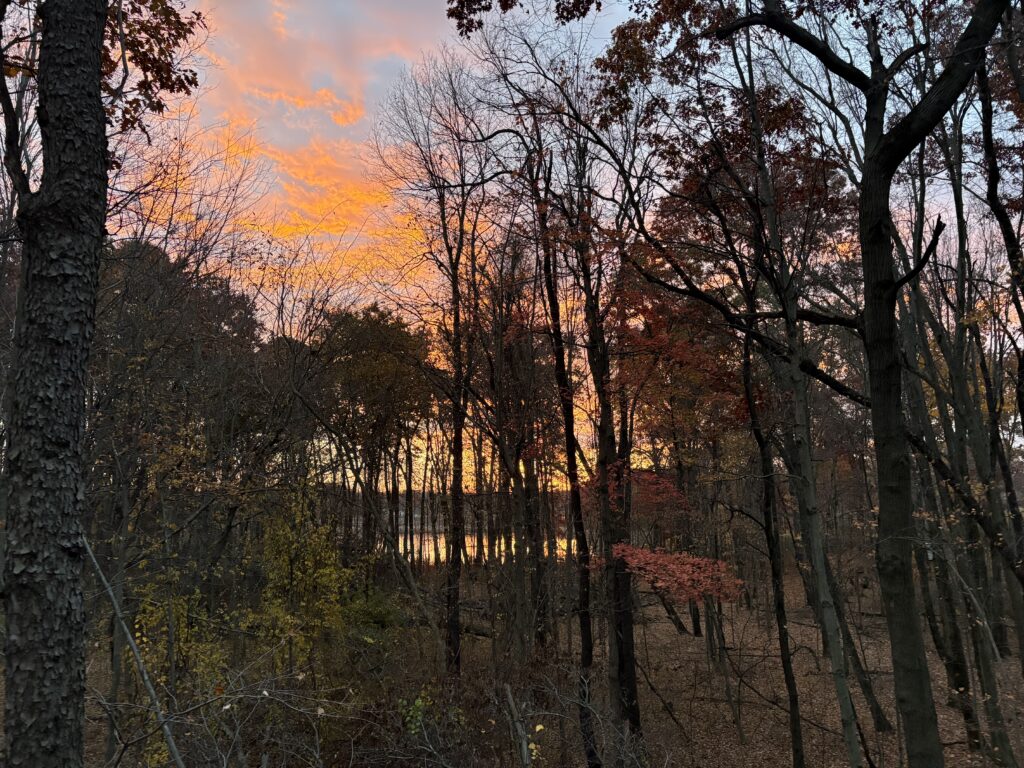
Every November, I try to take the first couple of weeks off to chase Michigan whitetails.
For me, deer hunting is much more than harvesting an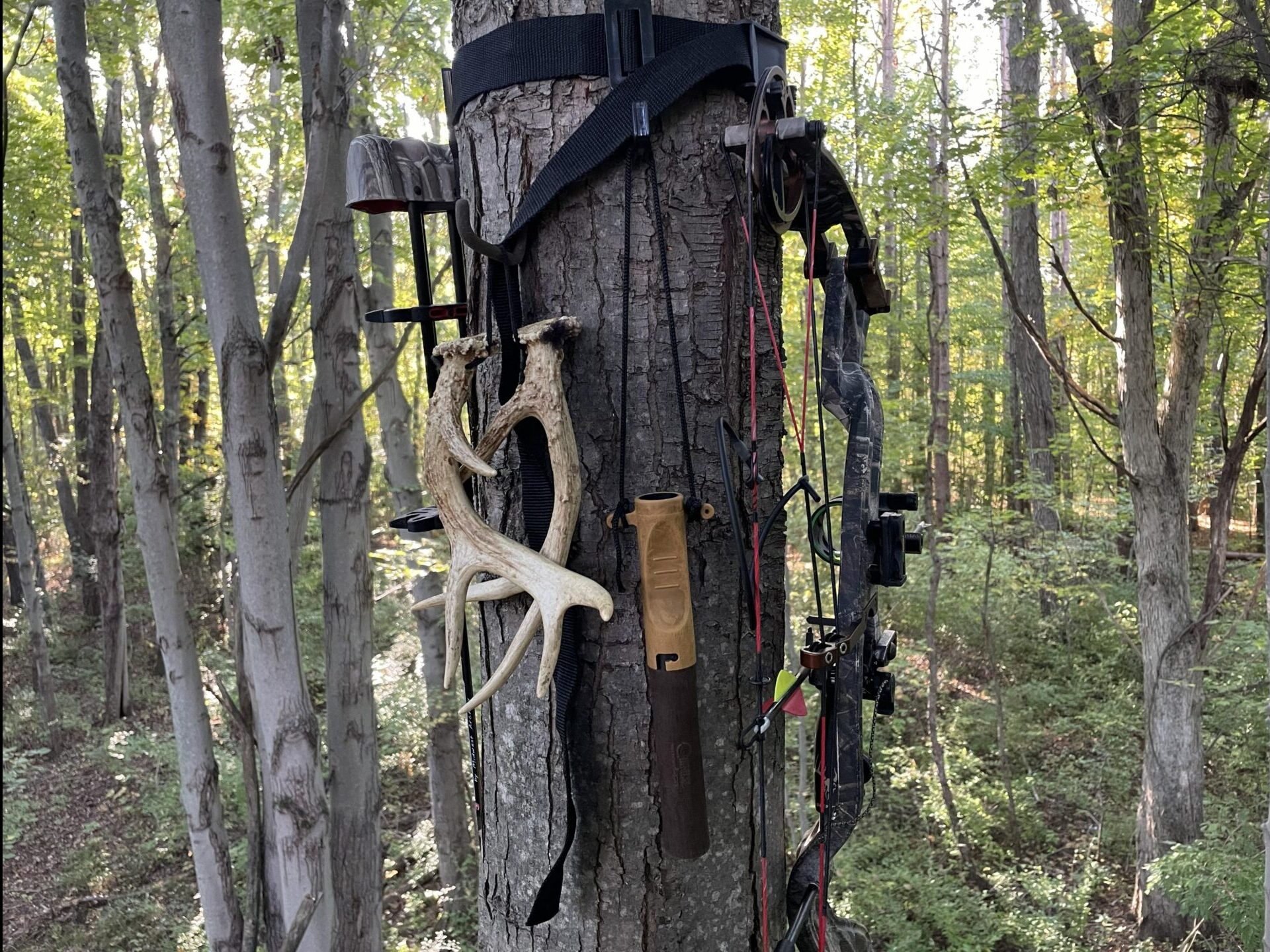 animal.
It’s an annual test of will, strength, patience, spirit, and heart.
You enter the season full of excitement and anticipation. You’ve spent months scouting, studying deer behavior, practicing with your bow, and thinking about where you want to hunt.
Then November arrives.
Suddenly, you’re getting up before daylight, hiking through the woods in the dark, climbing trees, and sitting for hours in the cold.
Some mornings you see deer everywhere.
Other mornings, you don’t see a thing.
 And sometimes the woods hand you a lesson you’ll never forget.
That’s especially true when you’re hunting mature whitetails on Michigan public land.
There are no guarantees.
You can spend years learning an area, studying the terrain, and identifying the best funnels, bedding areas, and travel corridors, only to show up and find another hunter parked where you planned to hunt.
You adapt.
You find another location.
And you keep hunting.
That’s one of the biggest reasons I enjoy it so much. It’s hard.
If success were guaranteed, I don’t think it would mean nearly as much.
Sometimes the Woods Teach You a Hard Lesson
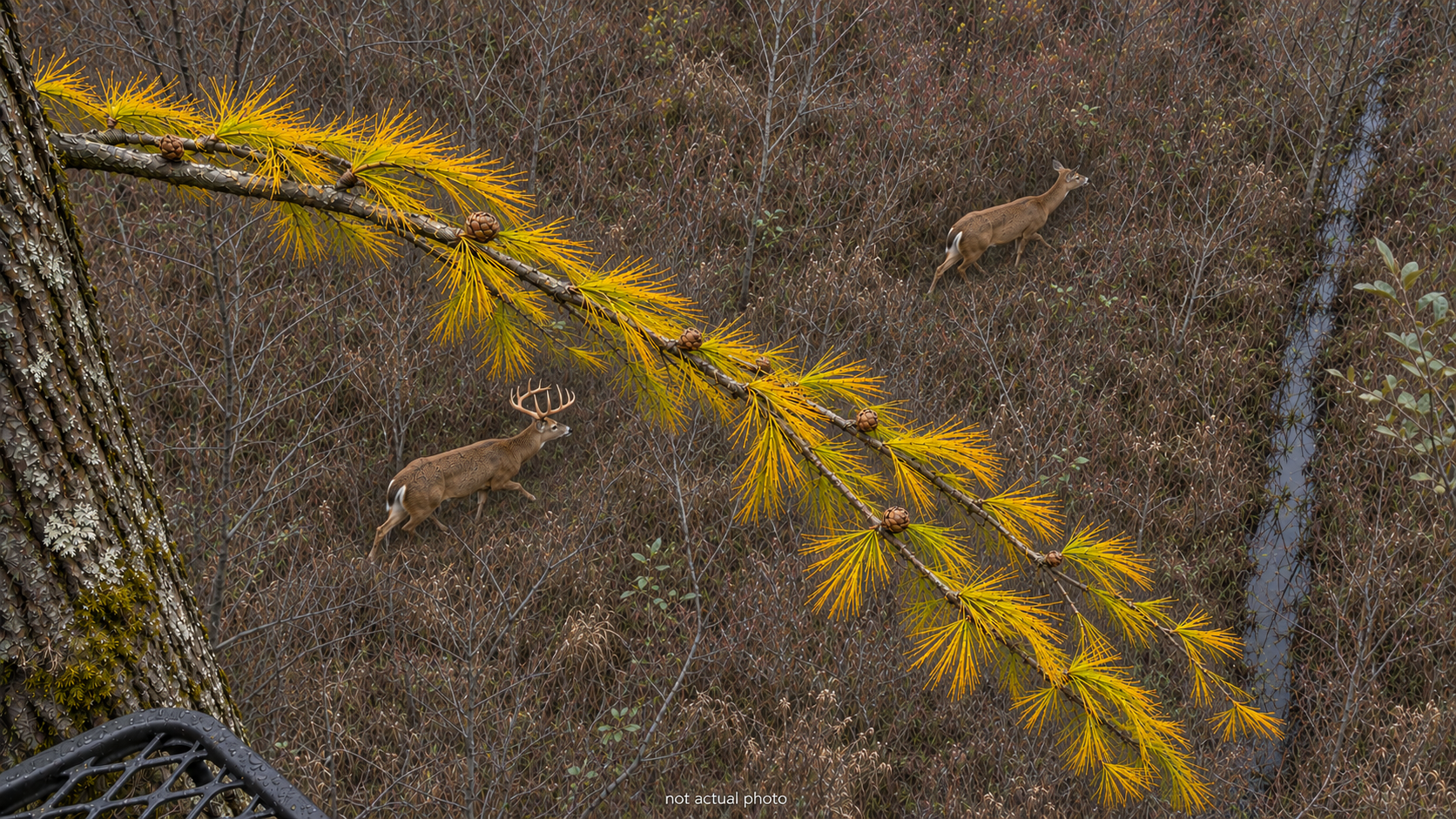
This season has been one of the most challenging and heartbreaking bow seasons I can remember.
I had two encounters with mature whitetail bucks that I’ll probably remember for the rest of my life. Both happened just three days apart, and both ended with lessons that were pretty tough to swallow.
The First Encounter: A 10-Point and a Pinecone
The first encounter happened on November 2.
A beautiful, symmetrical 10-point buck worked his way toward my stand. I watched him for about 20 minutes before he eventually followed a doe into an opening where I had an opportunity at 30 yards.
I drew my bow, settled my pin, and released the arrow.
And that’s when I noticed a little pinecone shake.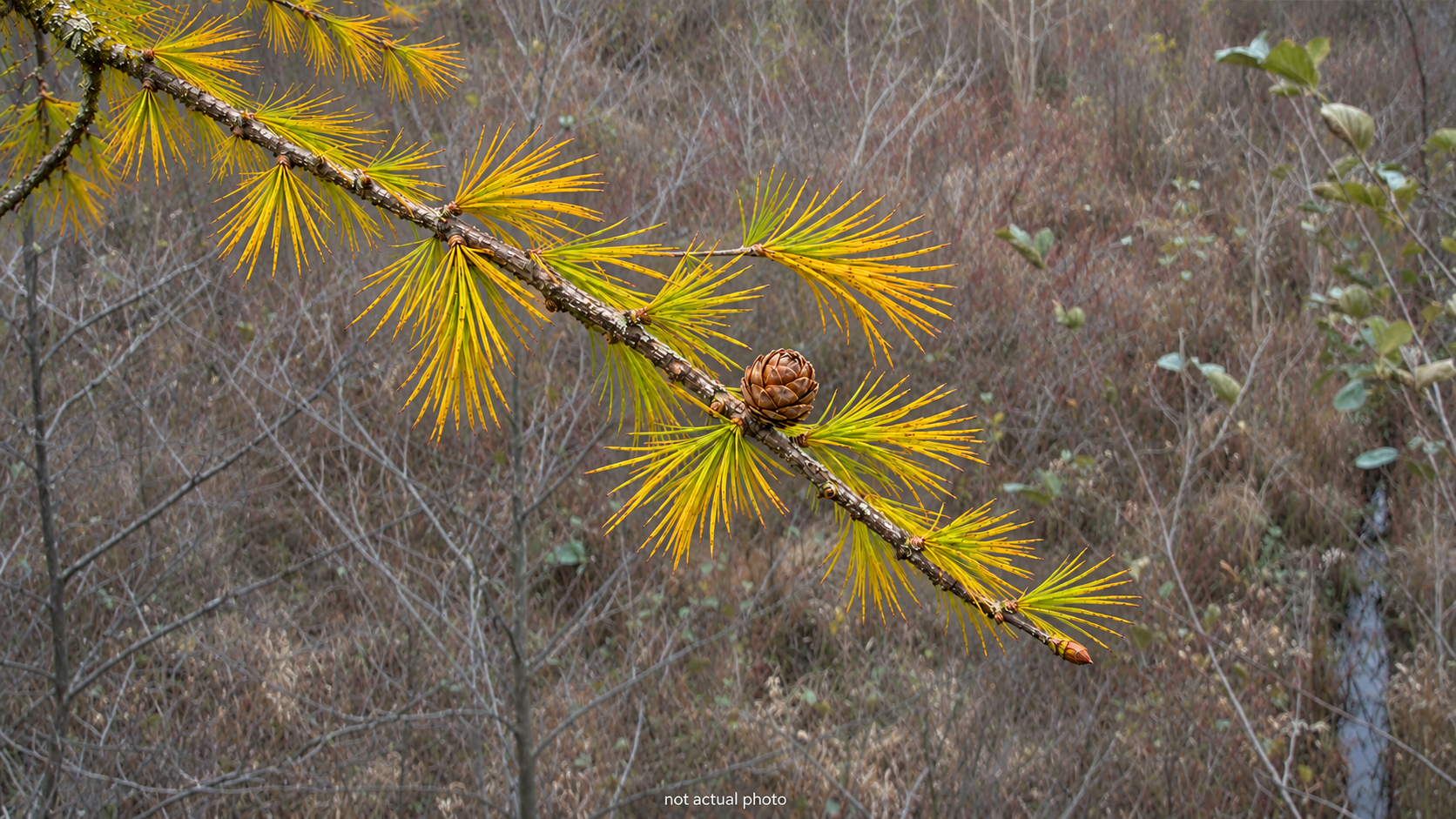
A pinecone about the size of a quarter had been hanging from a branch in my shooting lane. It was just enough to deflect my arrow.
The buck got away.
After all the scouting, preparation, early mornings, and hours spent in the woods, it’s hard to describe how disappointing something like that can be.
But that’s bowhunting.
Sometimes the difference between success and disappointment is something as small as a pinecone.
And I learned a valuable lesson about inspecting my shooting lanes.
Little did I know, three days later, I would experience something even more heartbreaking.
The Second Encounter: The Biggest Buck I’d Ever Seen
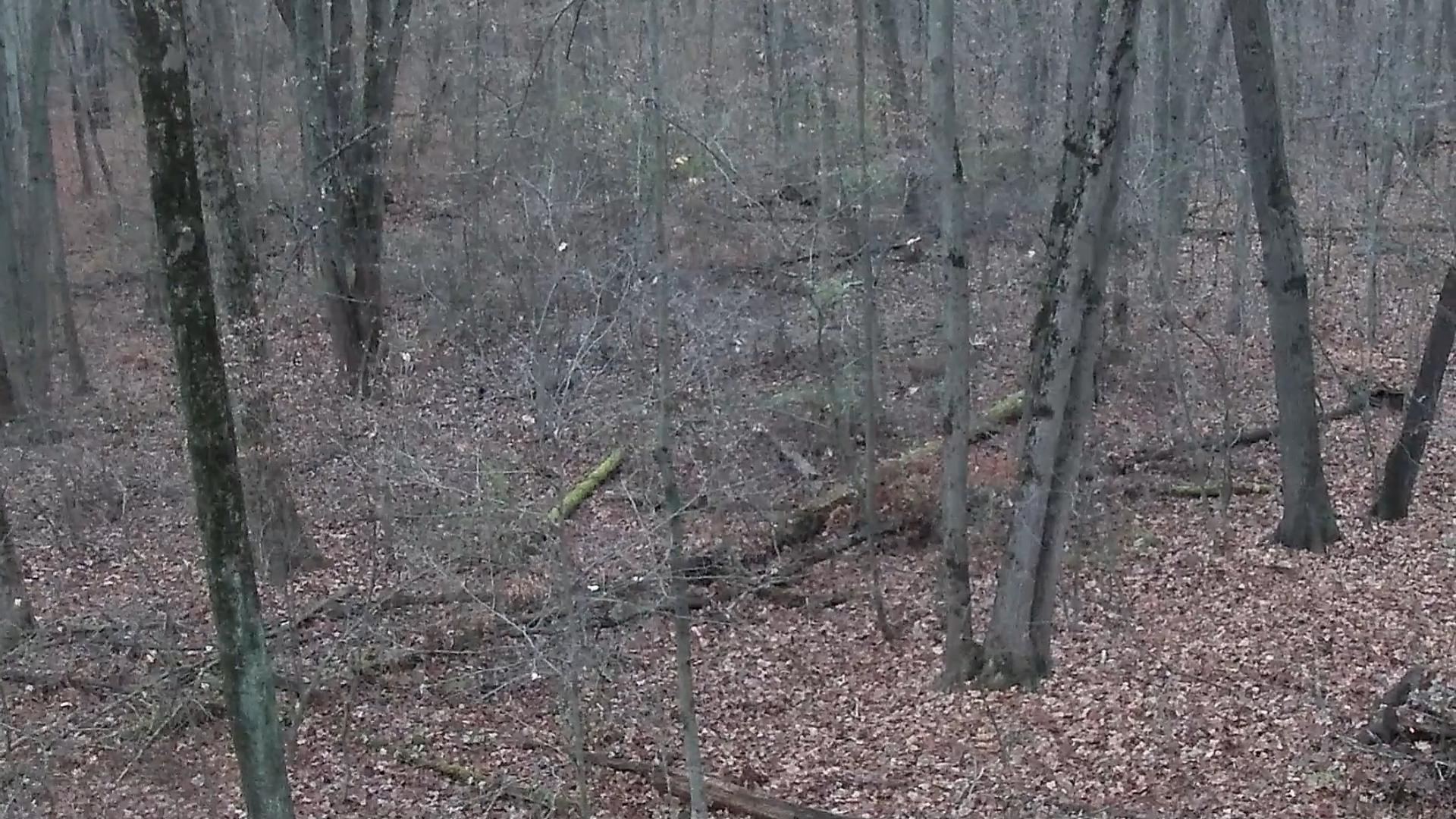
On November 5, I was back in the woods.
A hot doe came through with a 2½-year-old eight-point buck following her. I had an opportunity to shoot him, but I decided to pass.
I was holding out for a mature buck(actual photo attached).
About 15 minutes later, something happened that I’ll never forget.
I had my eyes closed for a moment. When I opened them and turned to my right, there he stood.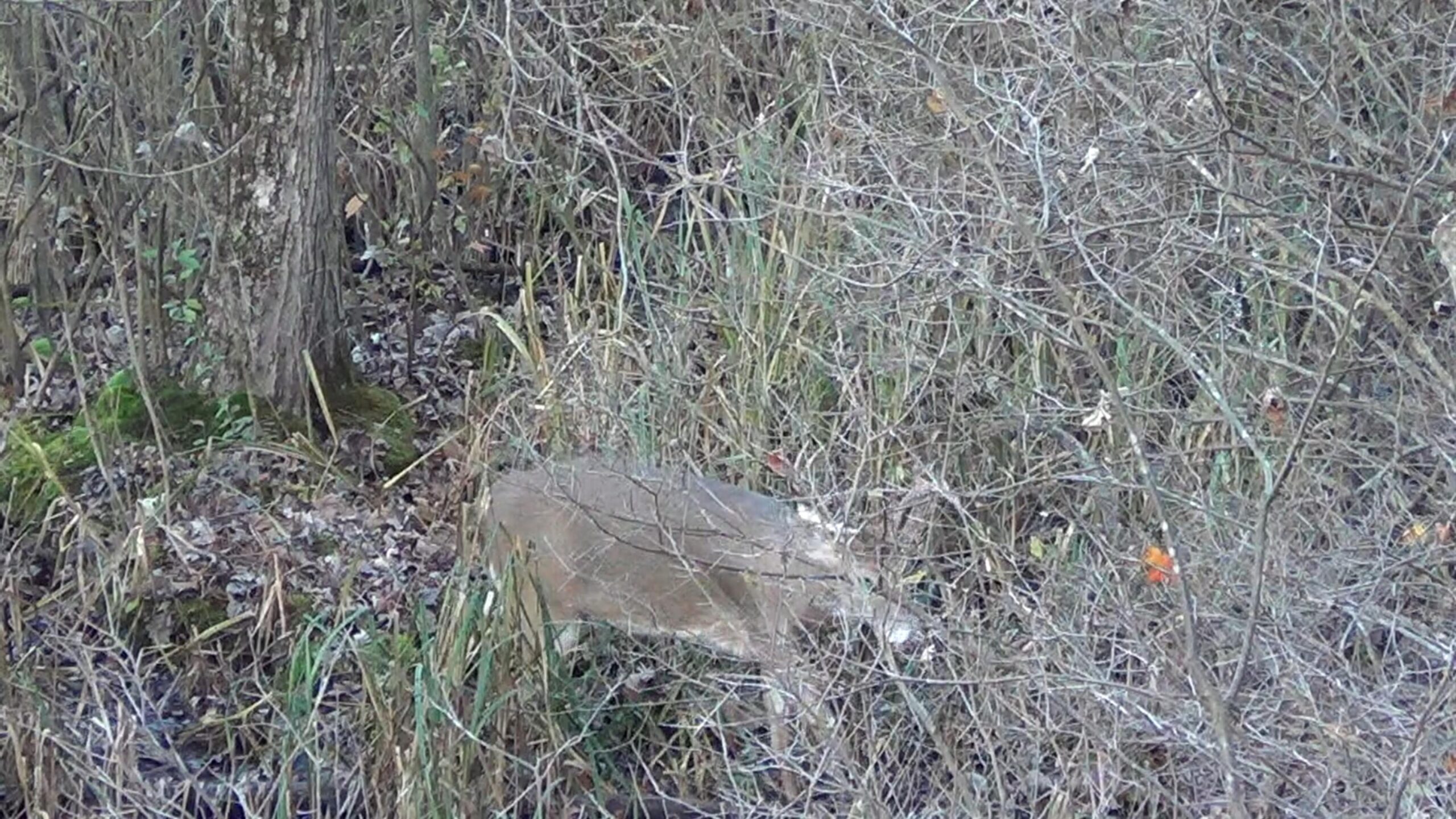
The biggest whitetail buck I had ever seen in my life.
He was standing about 25 yards away, partially concealed behind some brush.
I hadn’t even heard him walk in.
I couldn’t believe what I was looking at.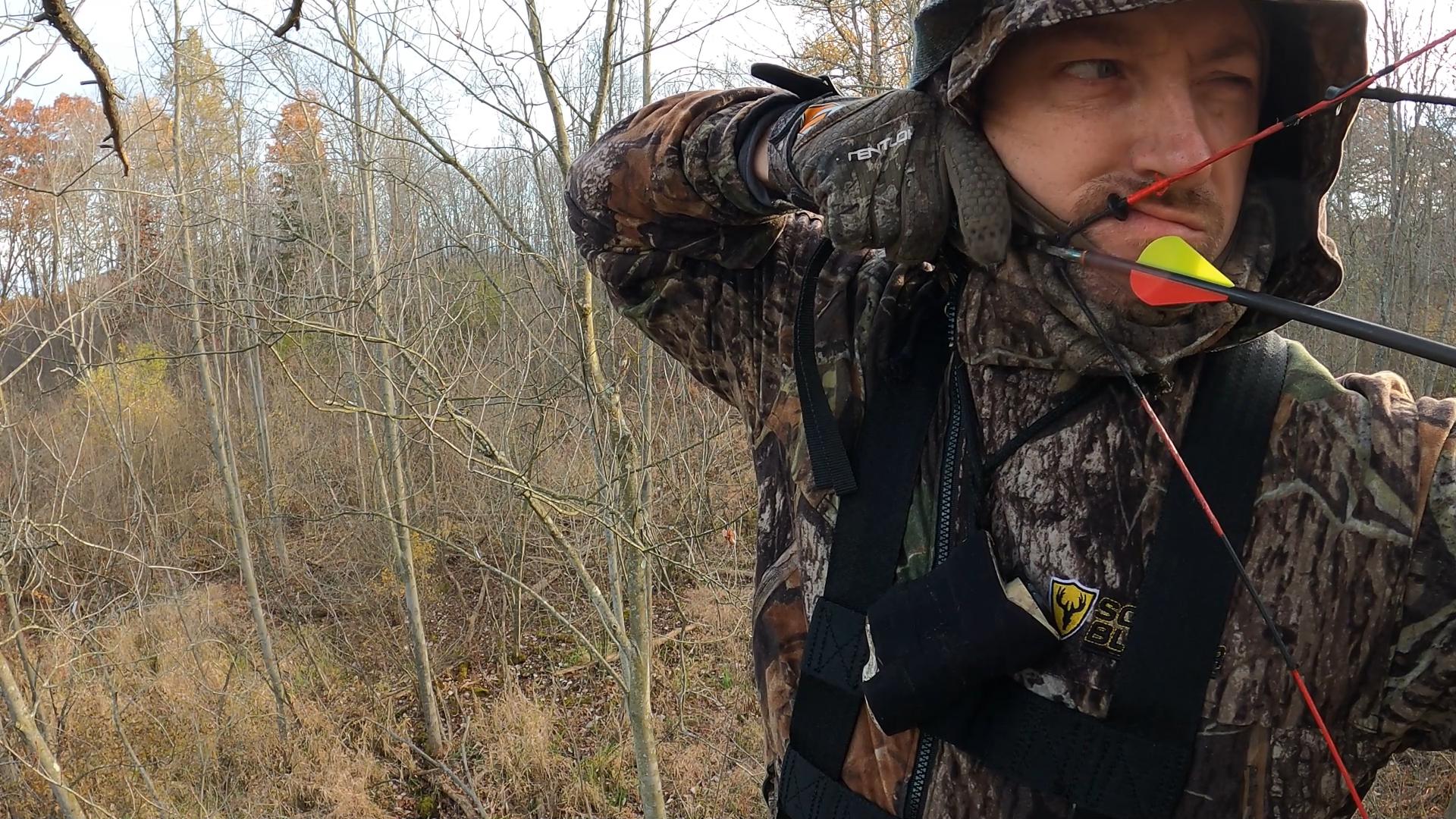
I reached for my bow, and almost as soon as I had my hands on it, the buck turned around and started walking directly toward my shooting lane.
Everything was happening so quickly.
I went to spin around and get myself into position for the shot.
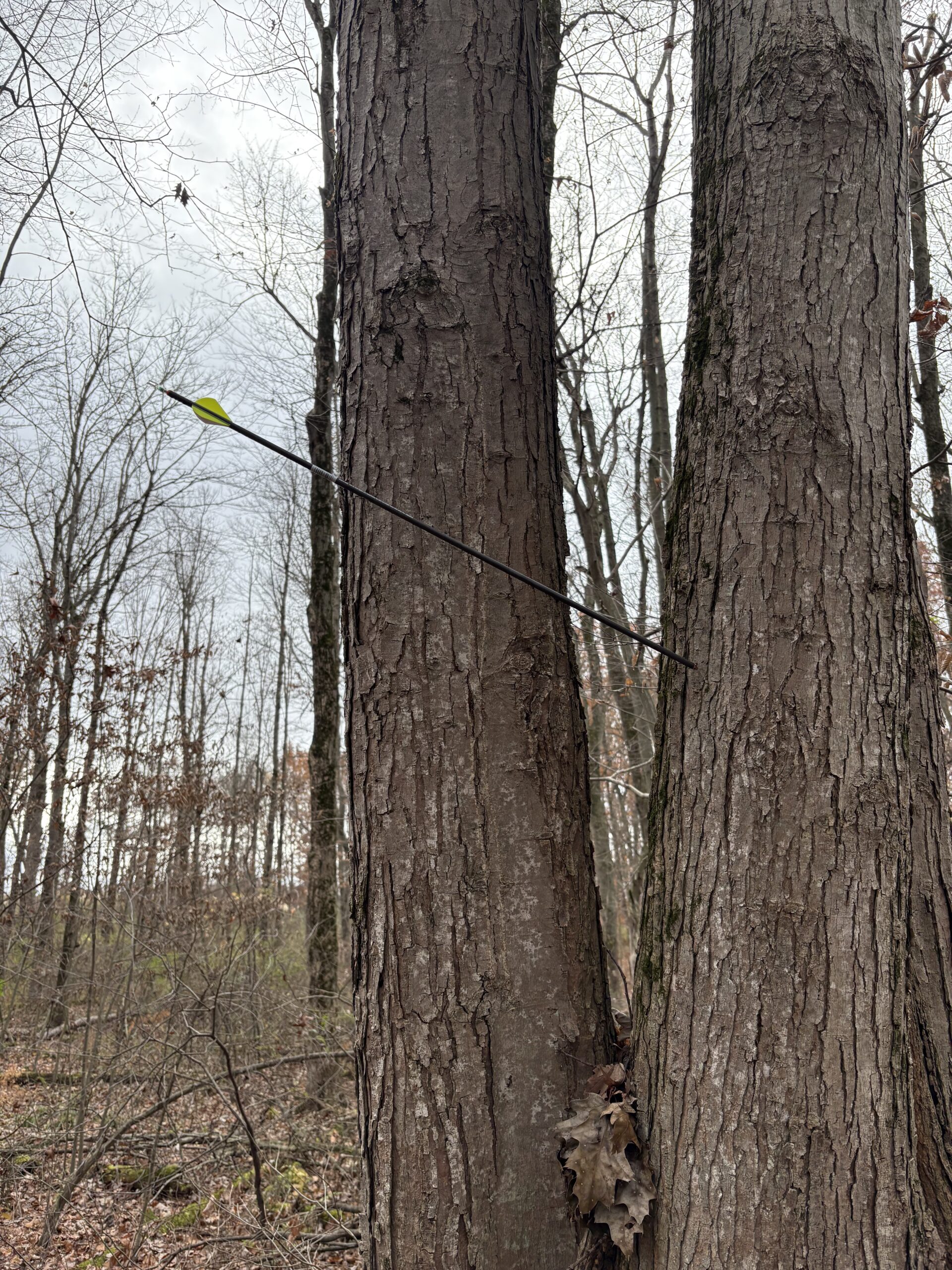 But as I started drawing my bow, I accidentally punched my trigger release.
The arrow went off before I was ready.
Just like that, the opportunity was gone.
I can only imagine that the excitement of seeing such an incredible buck contributed to what happened.
It was one of the most heartbreaking moments I’ve experienced in the deer woods.
I’d spent so much time preparing for an opportunity like that. And when it finally presented itself, a split-second mistake cost me the chance.
That’s a tough pill to swallow.
Two Encounters. Two Hard Lessons.
As I write this article, it’s the last day of Michigan’s early archery season before firearm season opens.
That November 5 encounter was the last time I saw a mature buck I wanted to harvest.
I’ve had a lot of time to think about those two hunts.
The first buck taught me the importance of paying attention to every little obstacle in my shooting lane.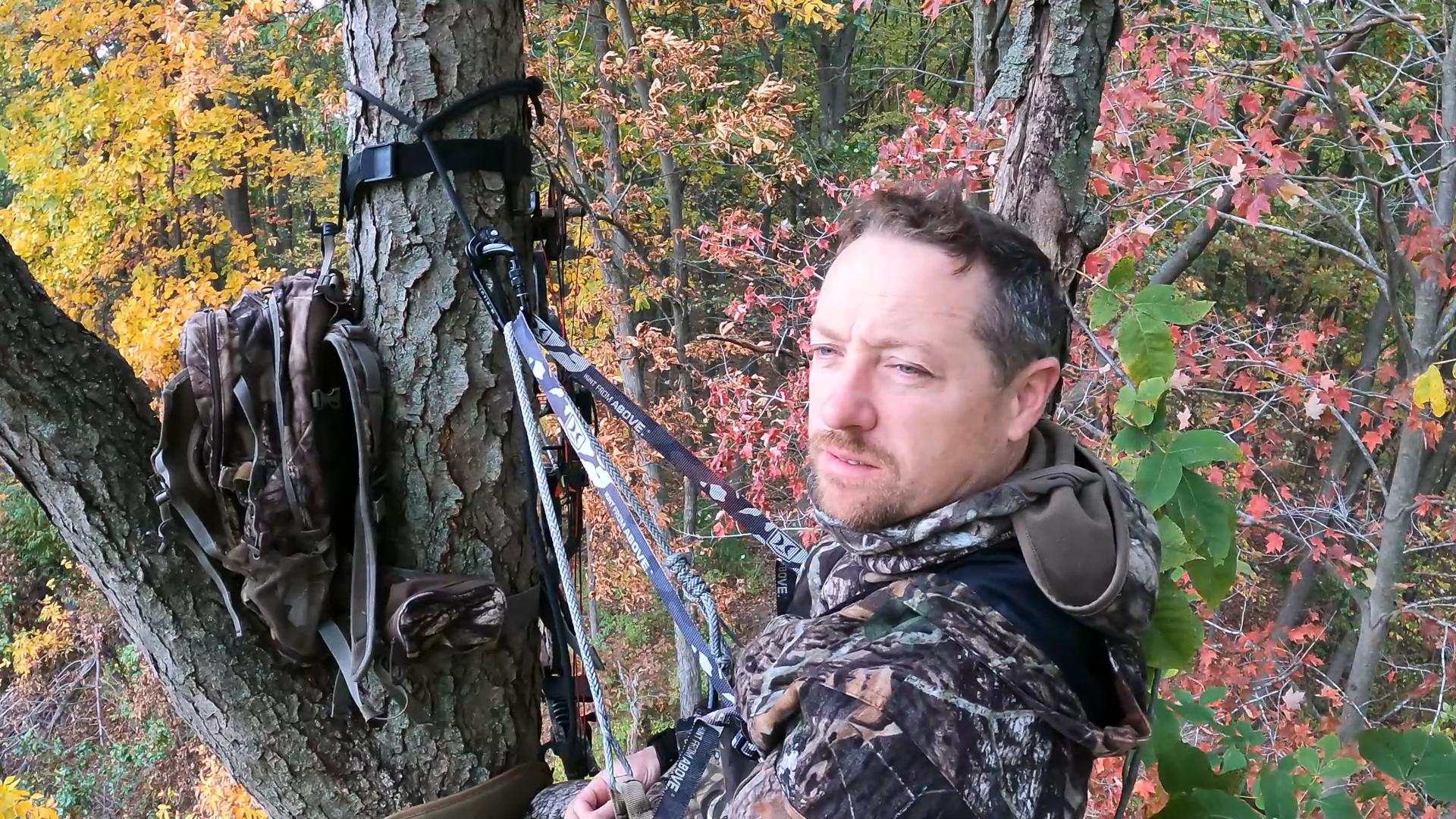
The second taught me something about controlling my excitement and staying composed when an opportunity presents itself.
You can practice shooting your bow all year long. You can scout, study the terrain, and spend countless hours learning deer behavior.
But nothing quite prepares you for the moment when the biggest buck you’ve ever seen suddenly appears 25 yards away.
That’s when experience, patience, and composure are tested.
And sometimes, you fail that test.
I won’t pretend those two encounters didn’t bother me. They did. Especially the second one.
But I’ve always believed that the most valuable lessons in life are often the hardest ones to learn.
And deer hunting is no different.
Why I Keep Coming Back
You can spend 14 days making 28 hunts, heading out every morning and going back every afternoon. By the end, your legs hurt, your back aches, and you’re mentally drained. On the walk out, you might still be replaying the one moment that could’ve changed your whole season.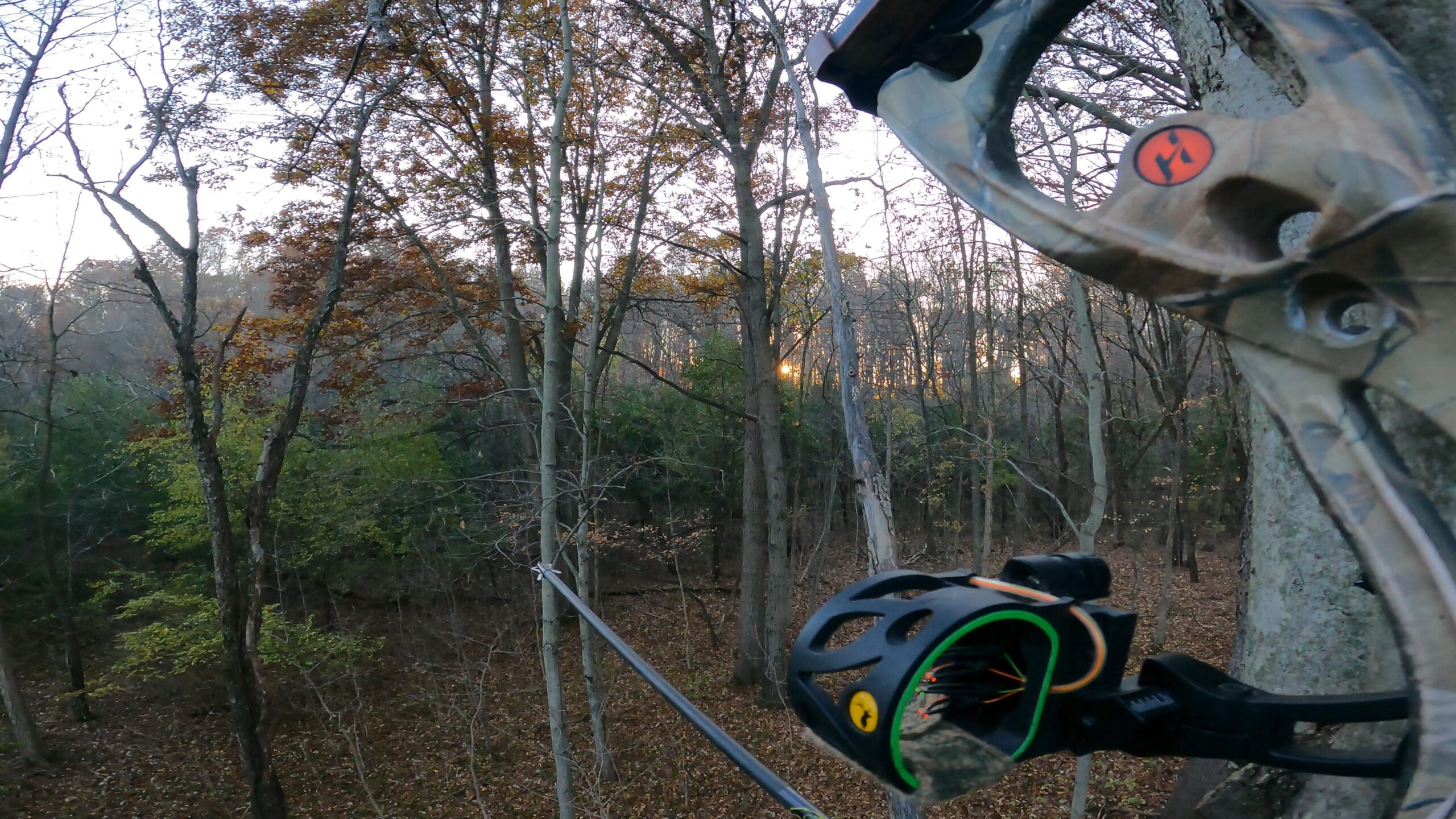
That’s part of what keeps me coming back. Every season teaches me something. Sometimes I find a bedding area I’ve walked past for years or see how deer change their routes once the pressure picks up. This year, I learned a couple of lessons the hard way. Those are the ones I’ll think about the next time a mature buck steps into range.
After all those miles through Michigan swamps, hardwoods, and thick cover, I usually end up in better shape than when I started. I lose about 10 pounds every November chasing whitetails and usually find all 10 again over the holidays.
For me, hunting is an annual test of will, strength, patience, spirit, and heart. I love bringing home venison, and I’ll admit there are days I wish a mature buck would make it a little easier on me. But I doubt I’d look forward to November the way I do if I knew how it was going to end.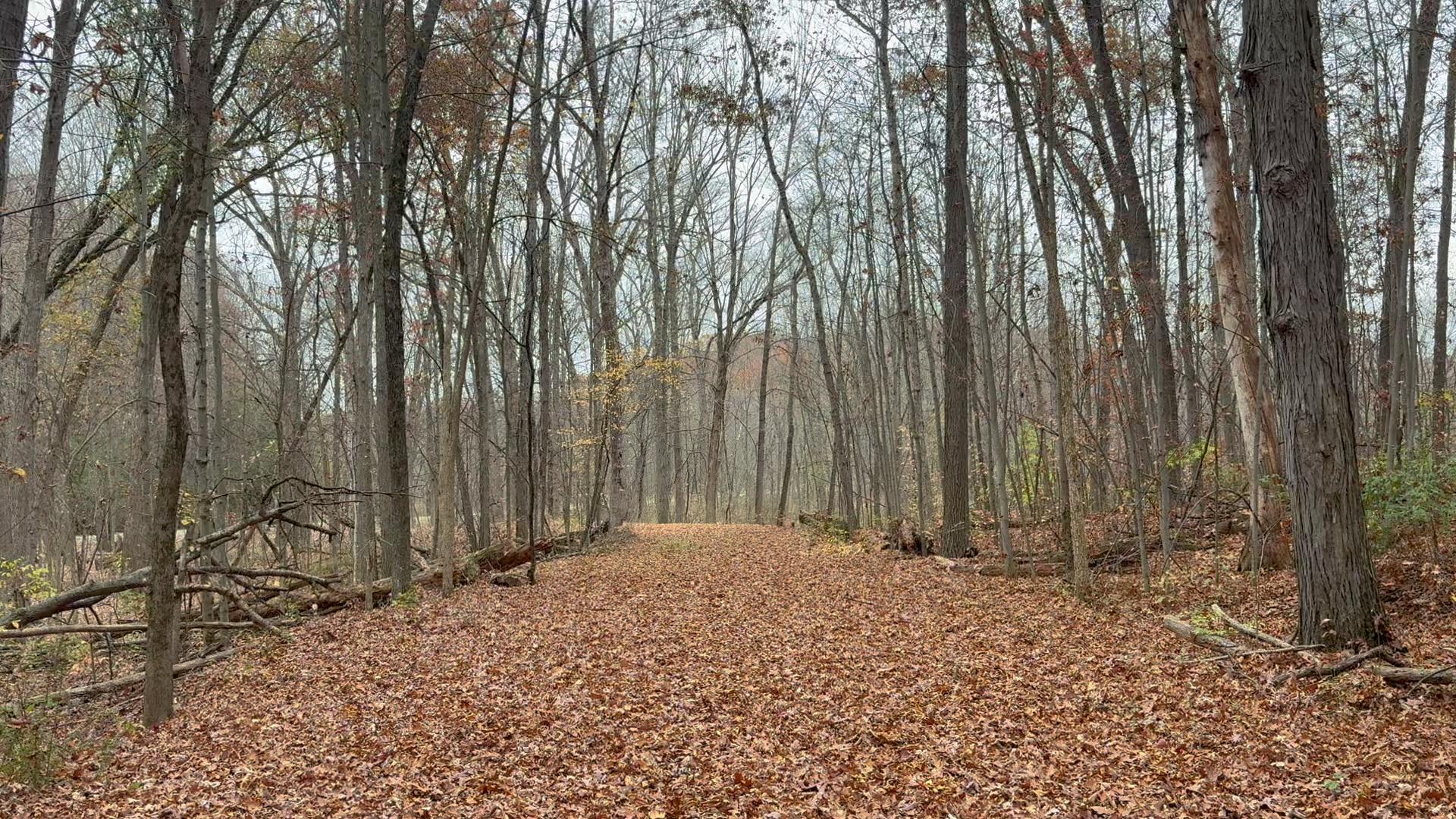
Some seasons reward your preparation with a full freezer. Others send you home with a lesson you’ll carry into the next one. If you’re paying attention, you never leave the woods empty-handed. You leave a little wiser.
Filling the Family Freezer With Healthy, Natural Meat
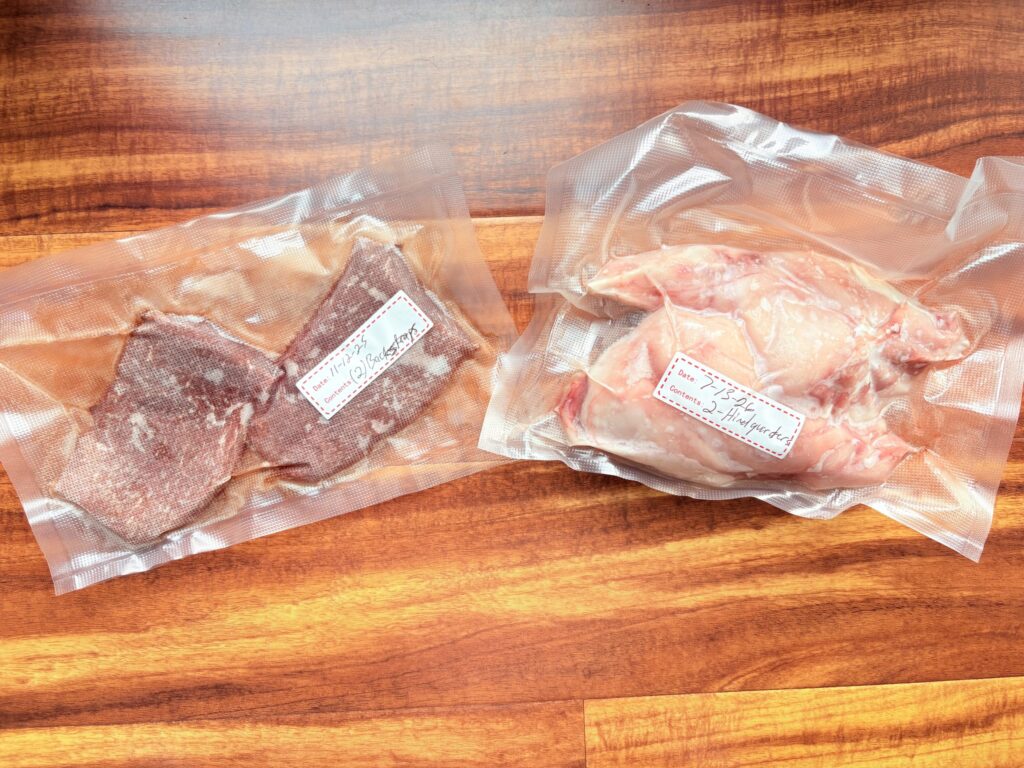
One of the biggest rewards of raising rabbits and hunting whitetails is being able to provide nutritious meat for our family.
We know how our rabbits were raised, what they were fed, and how they were cared for.
With venison, we’re harvesting a wild animal that has spent its life feeding on the natural vegetation available in its environment.
Both meats provide excellent protein and important nutrients.
And for families looking to diversify the meat they keep in their freezer, venison is another terrific option.
Rabbit vs. Venison: How Do They Compare?
Approximate USDA nutritional values per 3-ounce (85 g) serving of cooked, roasted, boneless meat, without added oil or sauce.
Cooks.com+1
Nutrition | Rabbit | Venison |
|---|---|---|
Calories | 167 | 134 |
Protein | 24.7 g | 25.7 g |
Total fat | 6.8 g | 2.7 g |
Saturated fat | 2.0 g | 1.1 g |
Carbohydrates | 0 g | 0 g |
Iron | 1.9 mg | 3.8 mg |
Vitamin B12 | 7.1 mcg | 1.7 mcg |
Values are rounded. Rabbit figures represent domesticated rabbit; venison figures represent deer meat. Actual values vary with cut, trimming, and preparation.
RABBIT · 3 OZ COOKED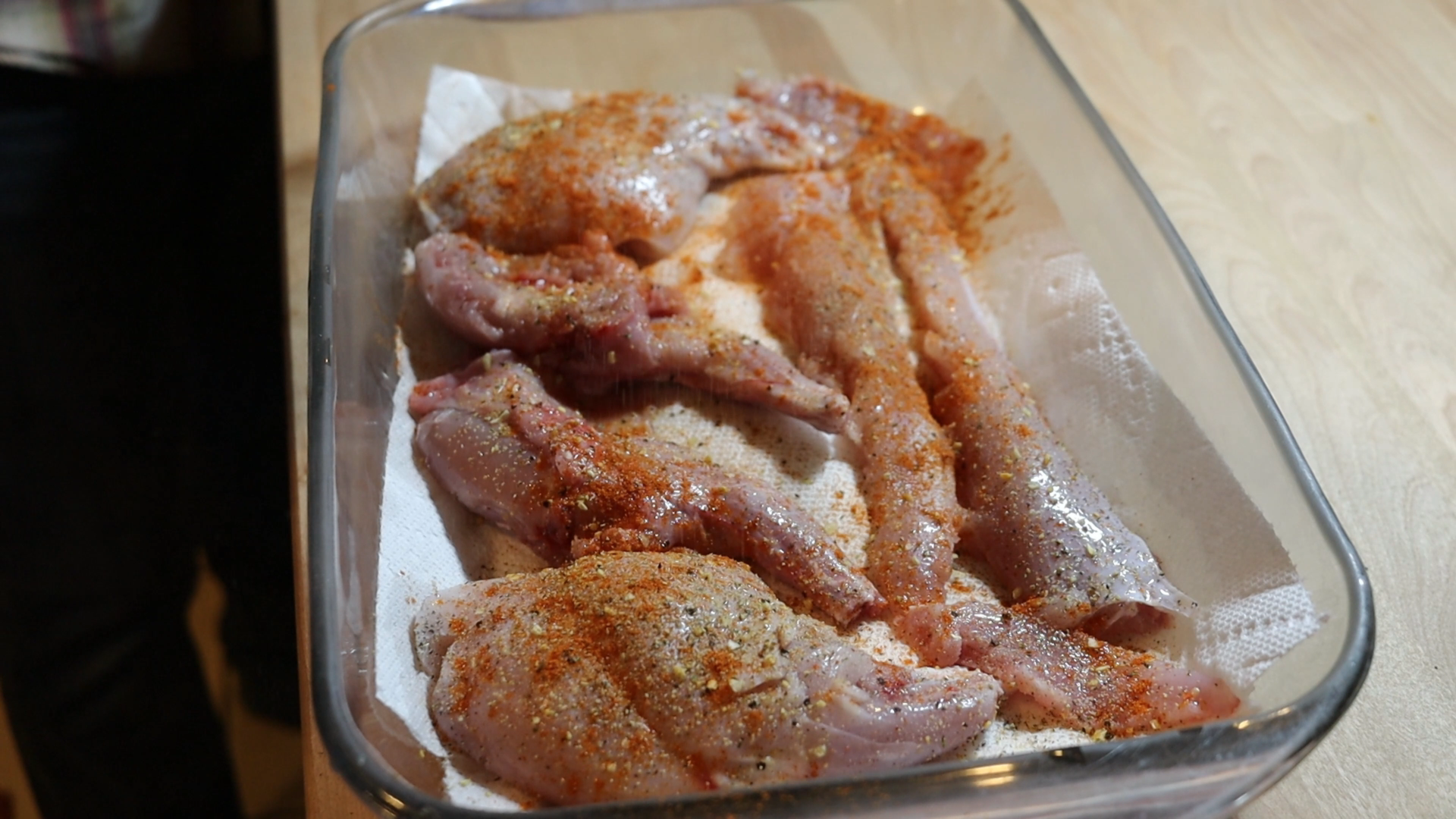
167
Calories
24.7 g protein
Rich in vitamin B12, selenium, and phosphorus
VENISON · 3 OZ COOKED
134
Calories
25.7 g protein
Rich in iron, zinc, and B vitamins
When you look at those numbers, you can see why I like having both meats in our freezer.
They offer comparable amounts of protein, and venison is particularly lean. Rabbit provides substantial amounts of vitamin B12 and selenium, while venison is an excellent source of iron.
Both are naturally carbohydrate-free before adding other ingredients.
And when you’re preparing the meat yourself, you can decide how much salt, fat, and other ingredients go into your family’s meals.
Wild venison and home-raised rabbit also give you more direct knowledge of where your food came from. That doesn’t mean all store-bought meat contains hazardous chemicals or that wild meat is automatically free of contaminants. Proper handling, testing where recommended, and safe preparation are still important.
For our family, it’s about quality food, self-reliance, and making the most of the resources available to us.
Want to Learn How to Fill Your Freezer With Venison?
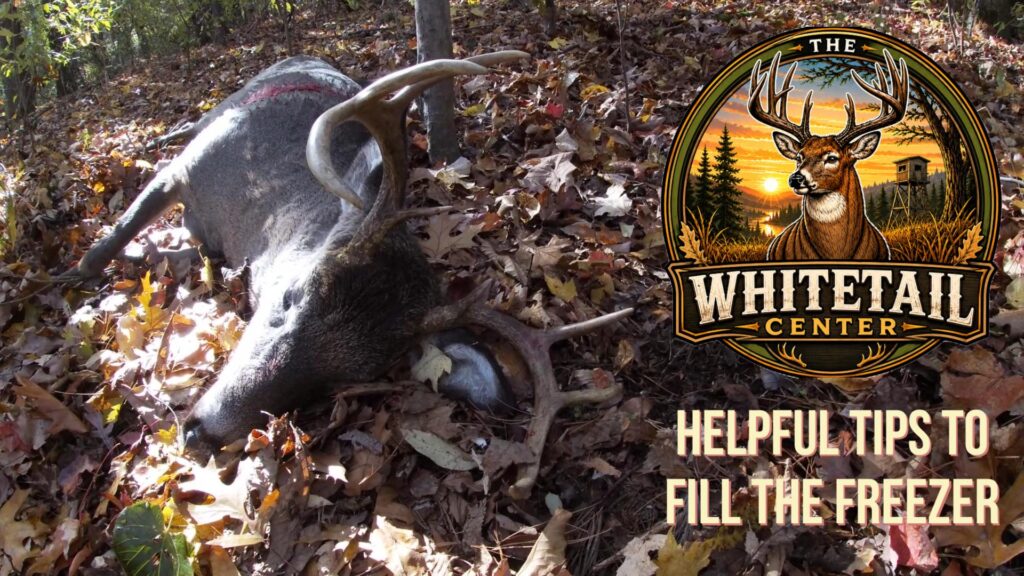
If you’d like to learn more about hunting whitetails and putting healthy venison in your family’s freezer, I encourage you to check out The Whitetail Center on YouTube.
I share what I’ve learned from years of hunting Michigan public land, including scouting, deer behavior, stand placement, hunting pressure, funnels, pinch points, and strategies for different stages of the season.
And these aren’t just things I’ve read about. They’re lessons I’ve learned through years of trial and error in the woods.
Subscribing is completely free, and I’d really appreciate your support.
We’re working toward reaching 1,000 subscribers before the end of the year, and every subscription helps us get a little closer.
Listen to Our New Podcast Episode
We also just released a new episode of The Rabbitry Center Podcast, where I share two deer-hunting stories from this season, including an unforgettable encounter with a mature 10-point buck.
The episode also covers hiring help around the rabbitry, preparing for winter, and some of the projects we’ve been working on.
It’s a little bit of everything that makes this lifestyle so rewarding.
Be sure to join our newsletter if you haven’t already. I usually send an update
once or twice a month with what’s happening around the rabbitry, beekeeping projects, and deer hunting.
podcast episodes throughout the season.
And stay tuned, because we’ll be adding more videos, blog posts, and
Until next time, thanks for following along, and good luck out there in the woods!
— Bobby