
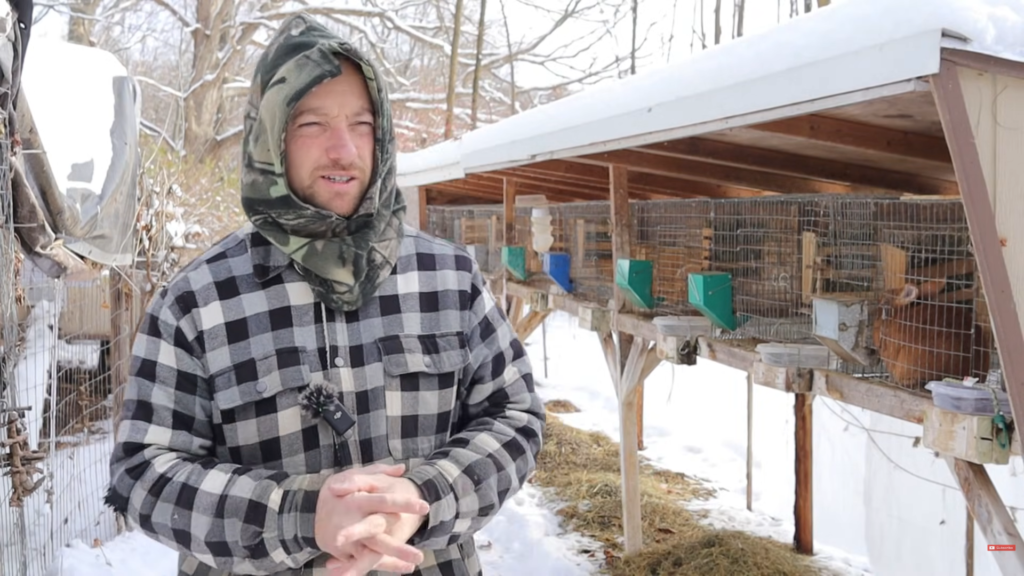
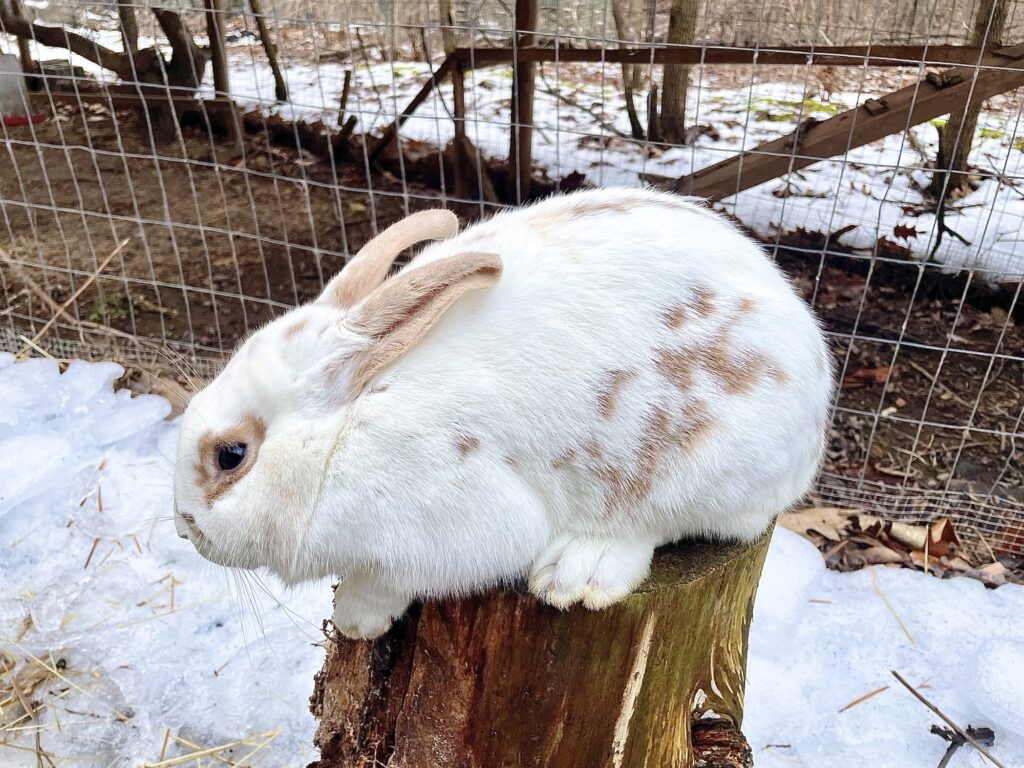

Wind Protection Is Critical (More Than Heat)
One of the most important steps in winter rabbit care is installing wind blocks.
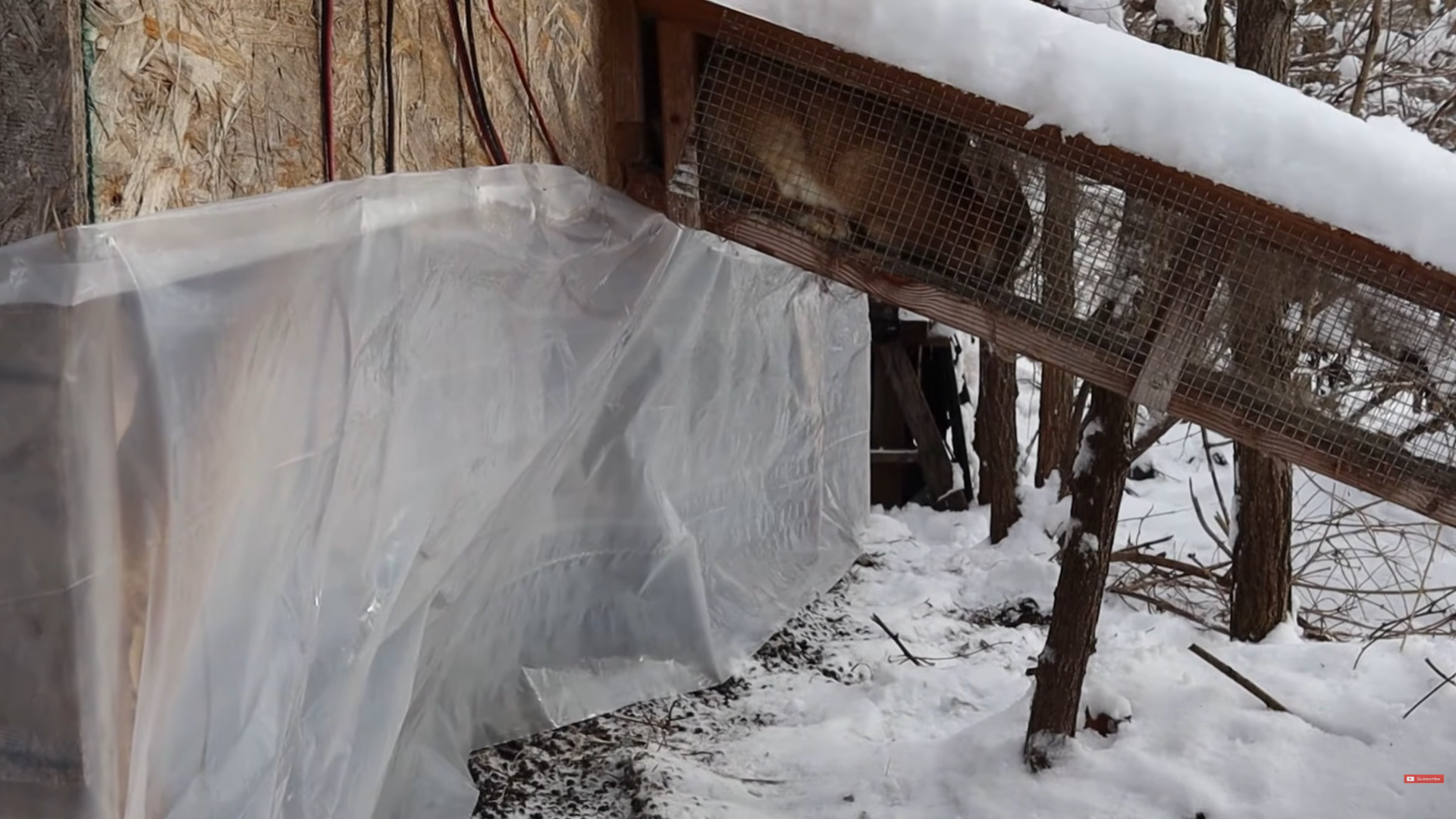
We use 6‑mil clear plastic to block prevailing winds while still allowing light in. We don’t put wind blocks up too early in the season because airflow is important—but once sustained cold and wind arrive, wind protection makes a huge difference.
Why wind blocks matter: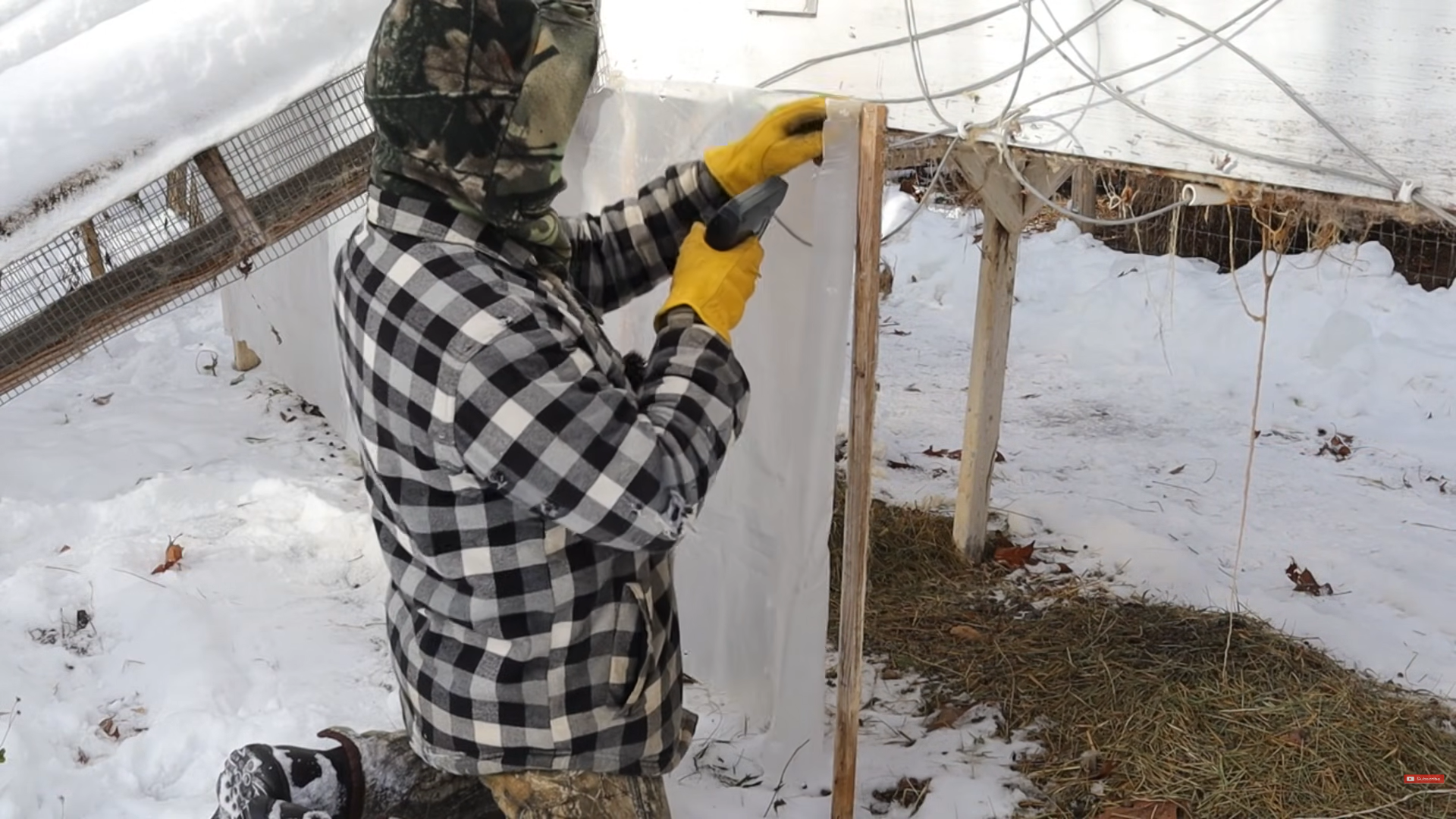
Prevent wind chill
Reduce stress
Keep bedding dry
Improve feed efficiency
Cold + wind is dangerous. Cold + dry + blocked wind is ideal.
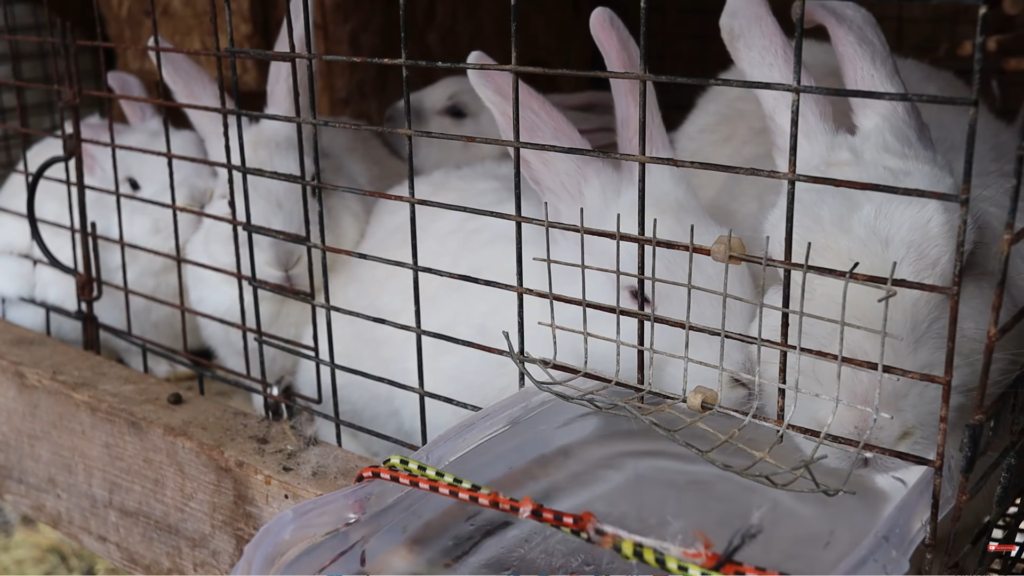
Watering Rabbits in Freezing Temperatures
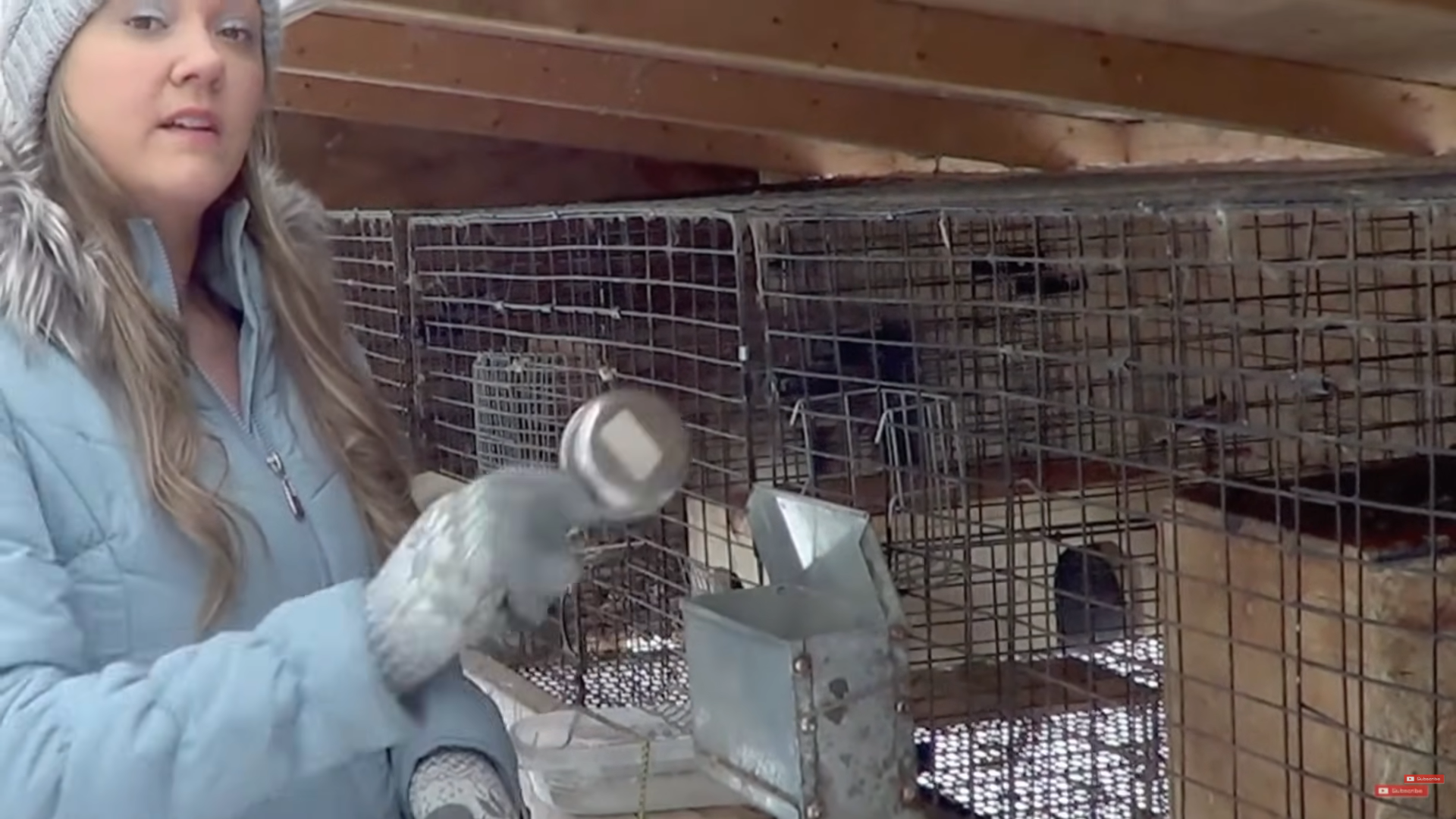
Frozen water is one of the biggest challenges when raising rabbits in winter—but it doesn’t need electricity, heated bowls or heated bottles.
Our Simple Winter Water System
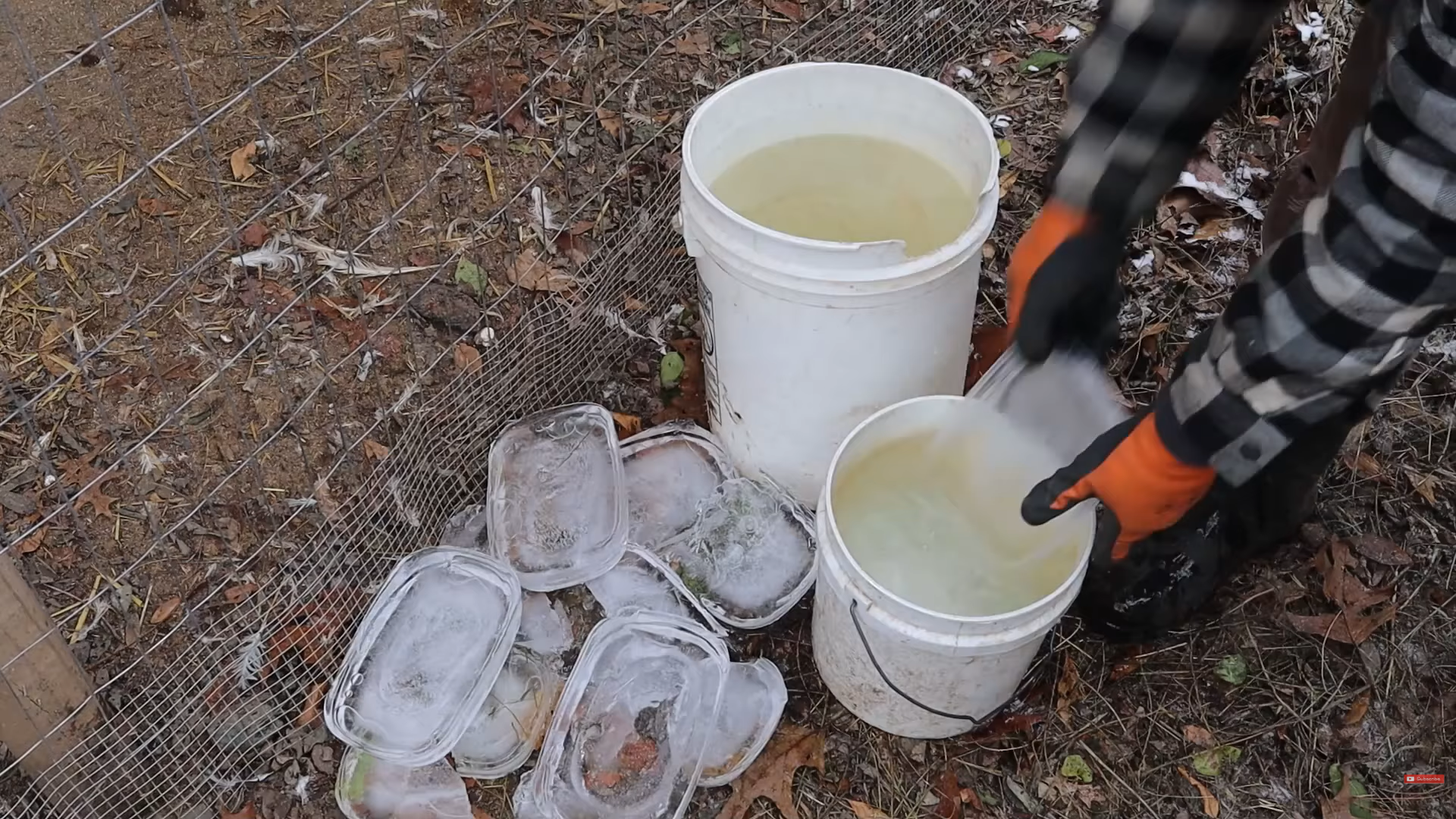
We use:
One warm water bucket
One cold bucket
Ice pops right out. It’s fast, simple, and something we’ve done successfully for years.
Good waterproof gloves or mittens make winter chores far more comfortable (and faster).

Do Rabbits Breed in Winter?
Absolutely.
A common myth is that rabbits won’t breed in winter due to low light or cold temperatures. We breed rabbits year‑round, including winter, with excellent results.
Four Essentials for Winter Breeding-Tap to watch video
While the full breakdown deserves its own post, winter breeding success depends on:
Proper nutrition
Good body condition
Stress reduction
Correct breeding method
When a doe needs help getting started, we recommend the rubber band method, which consistently outperforms table breeding. It’s simple, effective, and especially helpful during winter months.
Try our Kindling Calendar for a one time 5$ fee. It instantly calculates all your due dates & more.
Feeding Rabbits During Cold Snaps
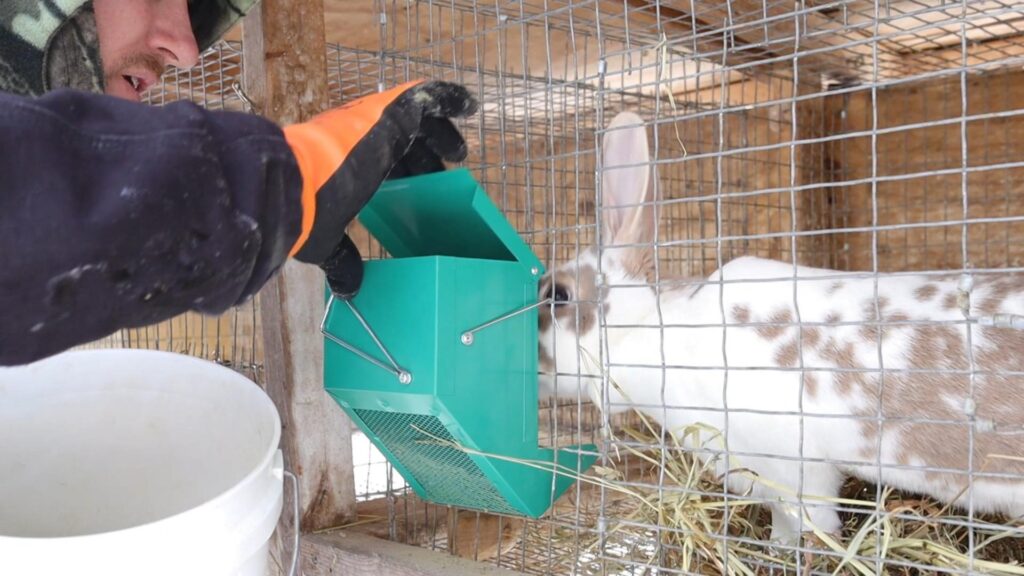
Rabbits burn more calories in cold weather—but more feed doesn’t mean unlimited feed.
Our Winter Feeding Adjustment
During sudden temperature drops (15–20°F swings), we temporarily increase pellets
Only for a day or two
Then we scale back
Overfeeding leads to overweight rabbits, especially in cages where exercise is limited.

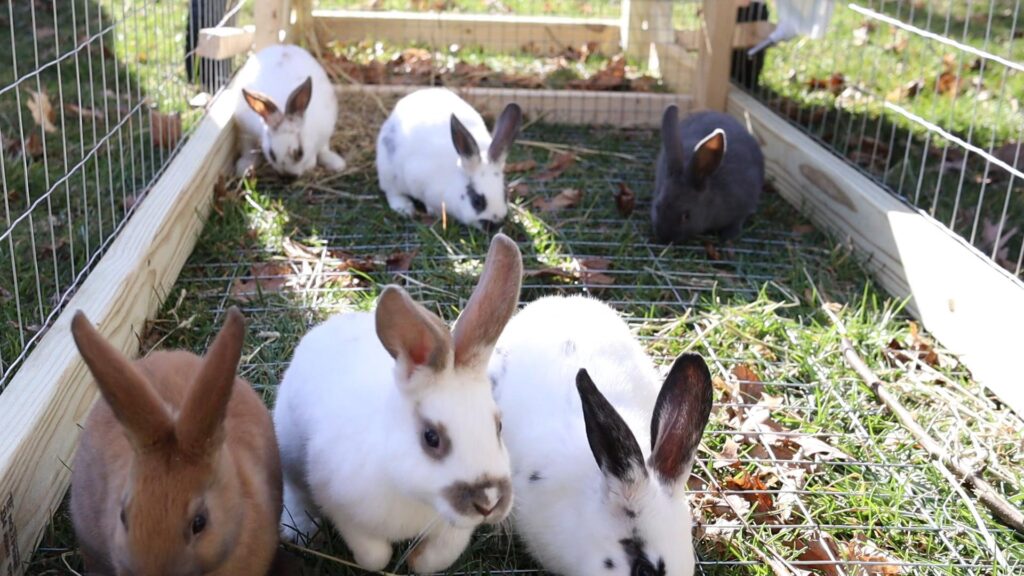
Rabbit Cage Sizes We Recommend
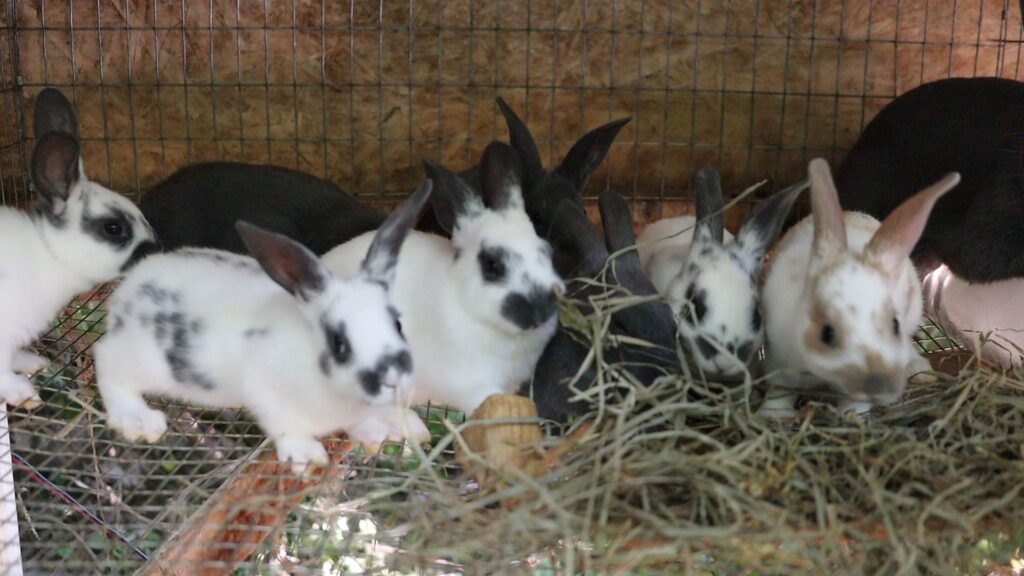
Over the years, we’ve tested many cage styles. These are the three cage sizes we rely on:
2 ft × 2 ft × 8 ft (runs) [Tractor build video]
30 × 30 (breeders)
36 × 30 (does with litters)
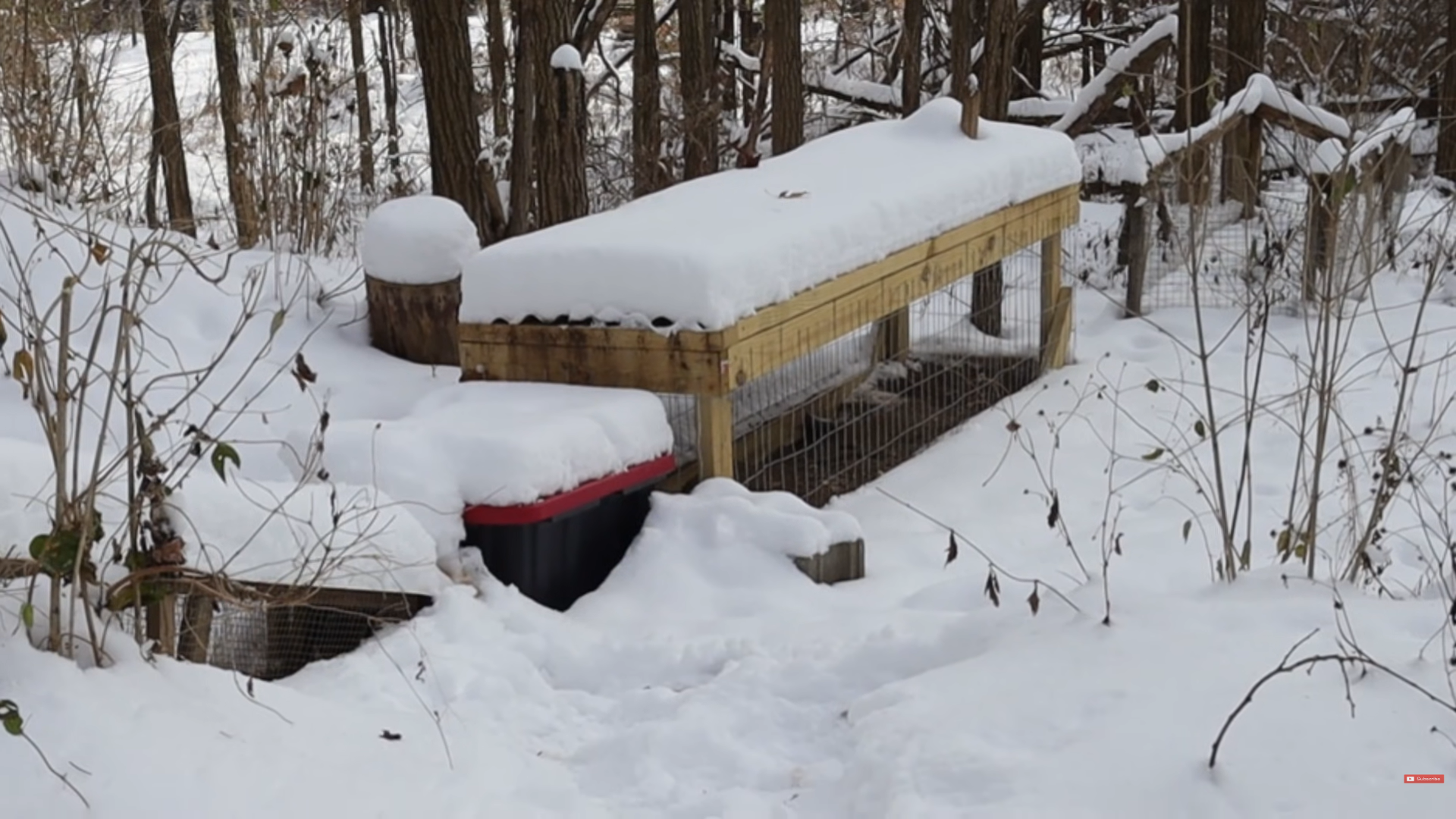
Some cages include ramps and runs, while breeder cages are more compact. Cage choice should reflect purpose, not convenience. [Cage Flooring Mistakes to Avoid-Video]
We stopped buying painted, baked‑wire cages because condensation causes corrosion over time. Galvanized cages won’t corrode.
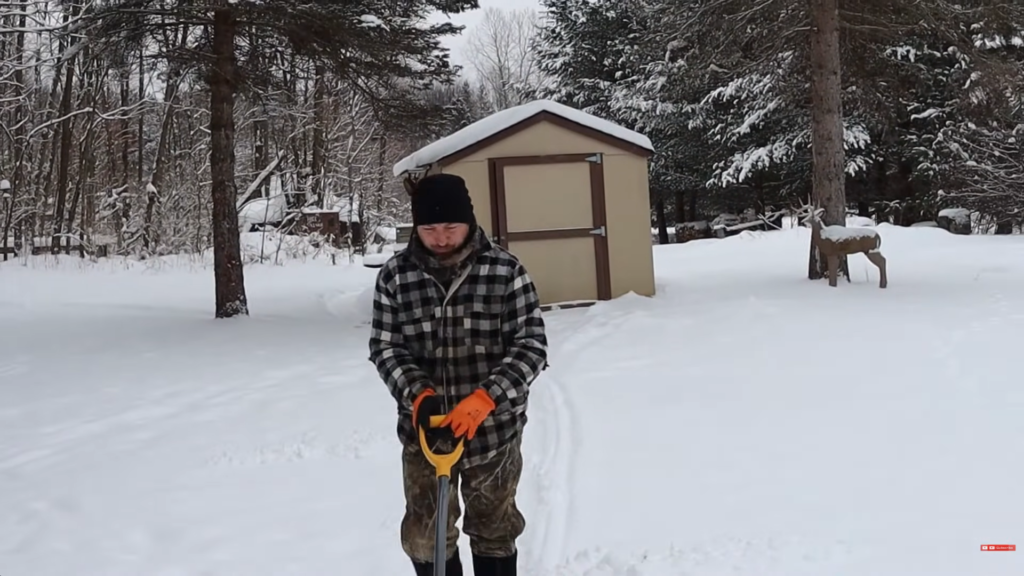
Snow Management Around the Rabbitry
Winter chores go smoother when paths are planned.
We shovel and maintain paths so we can: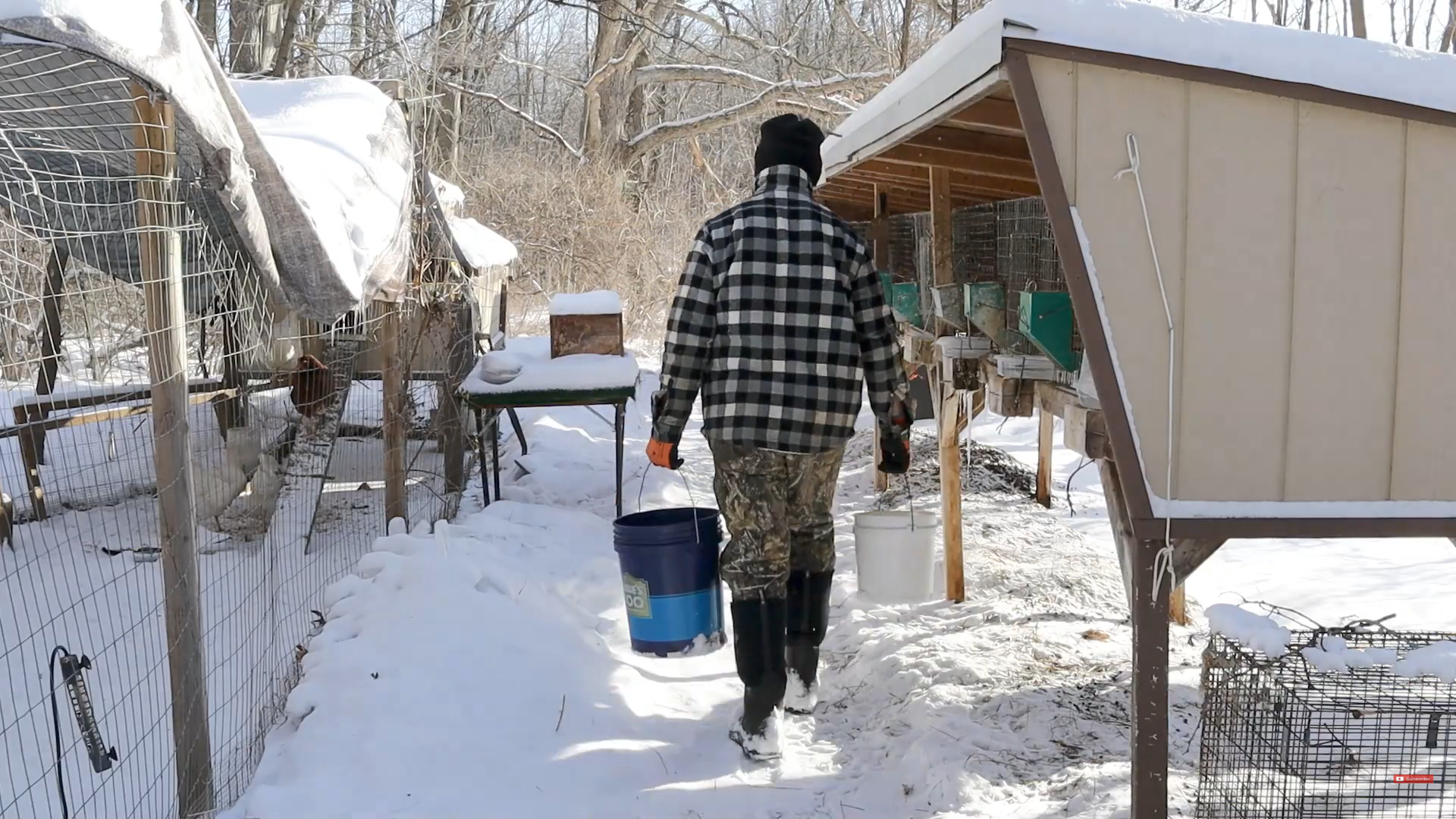
- Work efficiently in deep snow
- Carry water buckets safely
Access sheds and wood storage
Good access saves time and prevents injury.
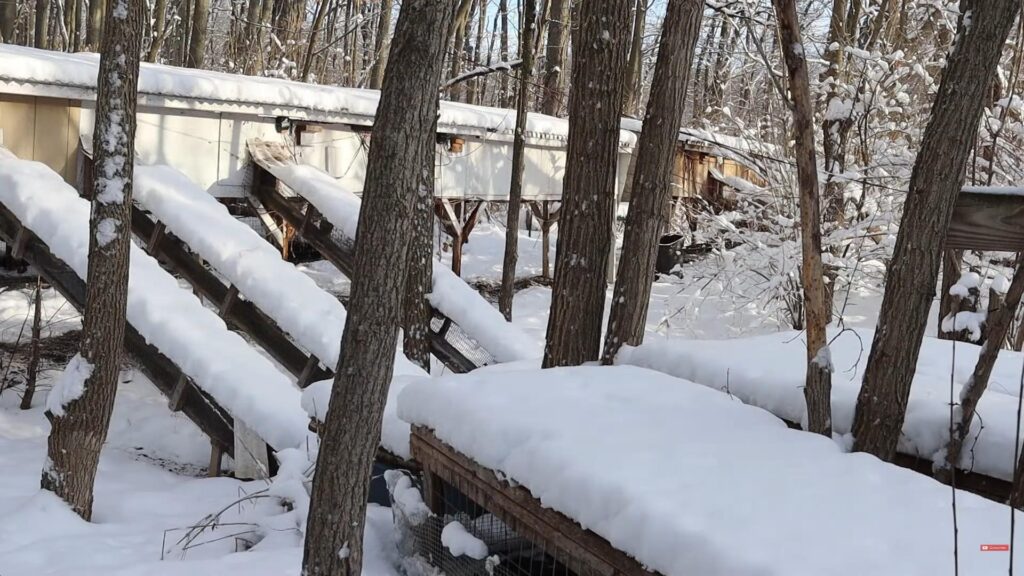
Are Rabbits Too Cold at 15°F?
No.
At 15°F, our rabbits are:
Active
Eating well
Calm and comfortable
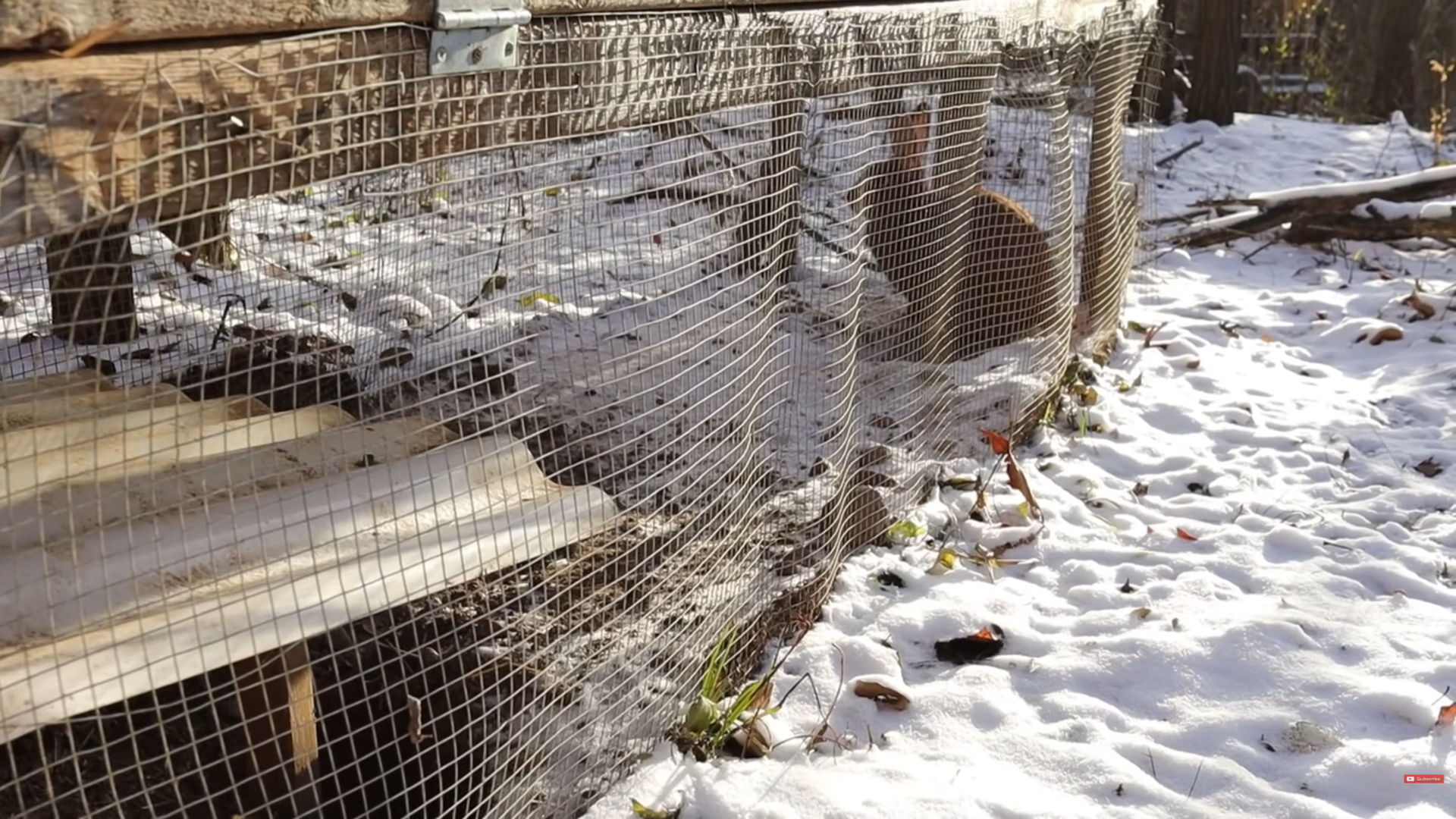
Rabbits are far more stressed by heat than cold. Winter is their season.
Resources to Help You Raise Rabbits Successfully
Over the years, we’ve shar ed what works for us through:
All of our advice is based on Michigan conditions and real experience, not theory. What works here may not apply everywhere—and that honesty matters.
Taking Your Rabbitry to the Next Level
We recently released a new course focused on mindset and management for rabbit breeders who want to grow sustainably.
It covers:
Avoiding wasted effort

Focusing on high‑value tasks
Building systems that scale
Integrating other passions or income streams

It includes:
Workbooks
Practical frameworks
If you’re feeling stuck or overwhelmed, this course was designed specifically for you.
Final Thoughts on Raising Rabbits in Winter
Raising rabbits in winter isn’t harder—it’s just different.
When you:
Block wind
Keep rabbits dry
Manage feed wisely
Maintain simple routines
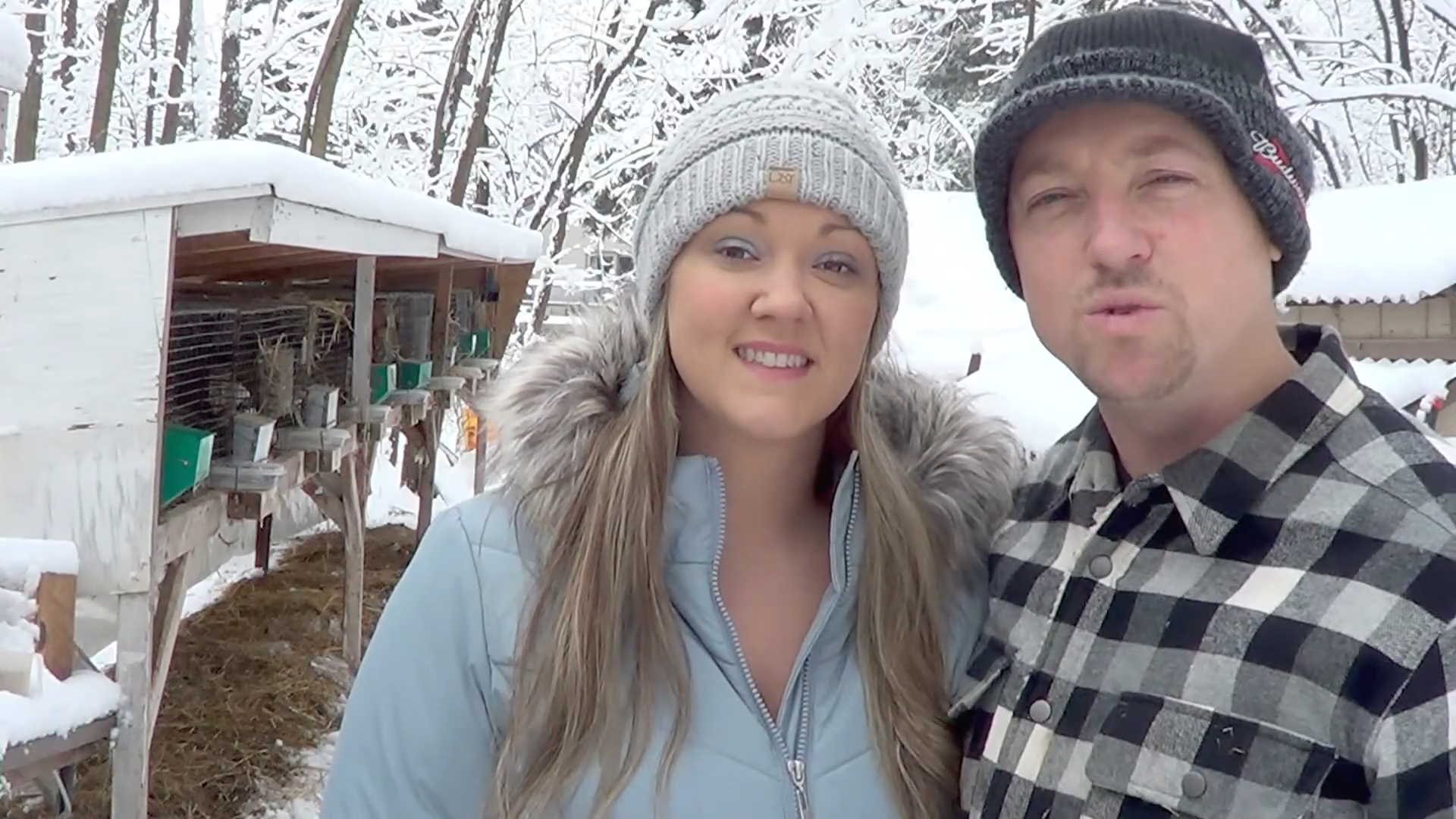
…your rabbits will not only survive winter—they’ll thrive.
If you have questions, leave a comment or reach out directly. We’re always happy to talk rabbits.