
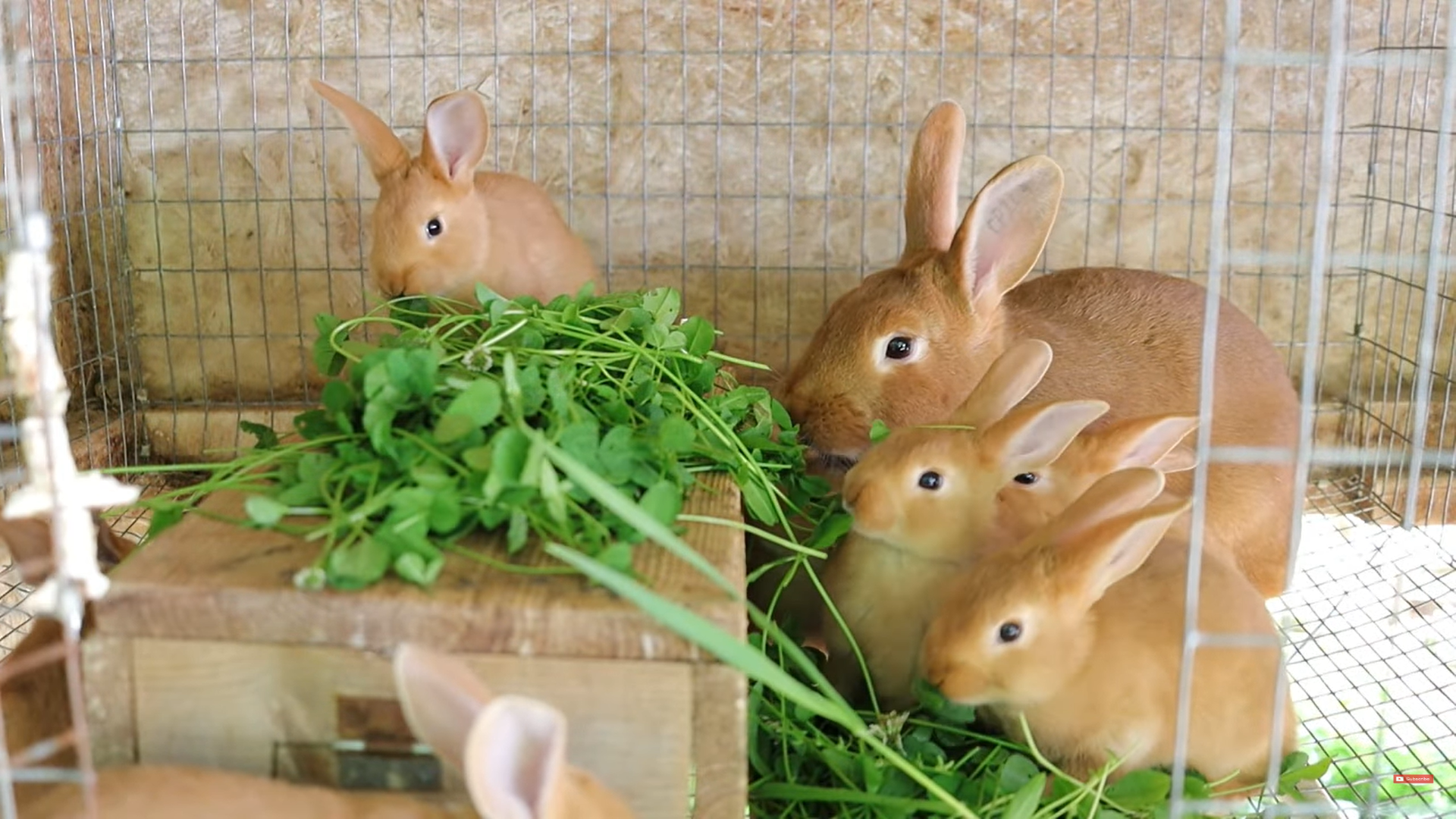
How to Plant a Rabbit Food Plot (Step-by-Step Guide)
Planting a rabbit food plot is one of the best ways to produce healthy, natural forage for your rabbits while reducing feed costs. Many of the plants rabbits love—like clover, chicory, and grains—are also commonly used in wildlife food plots.
With a little planning and preparation, you can grow a small plot that provides fresh forage for months of the year.
In this guide, I’ll walk you through the exact steps we use to plant food plots that produce reliable rabbit forage.
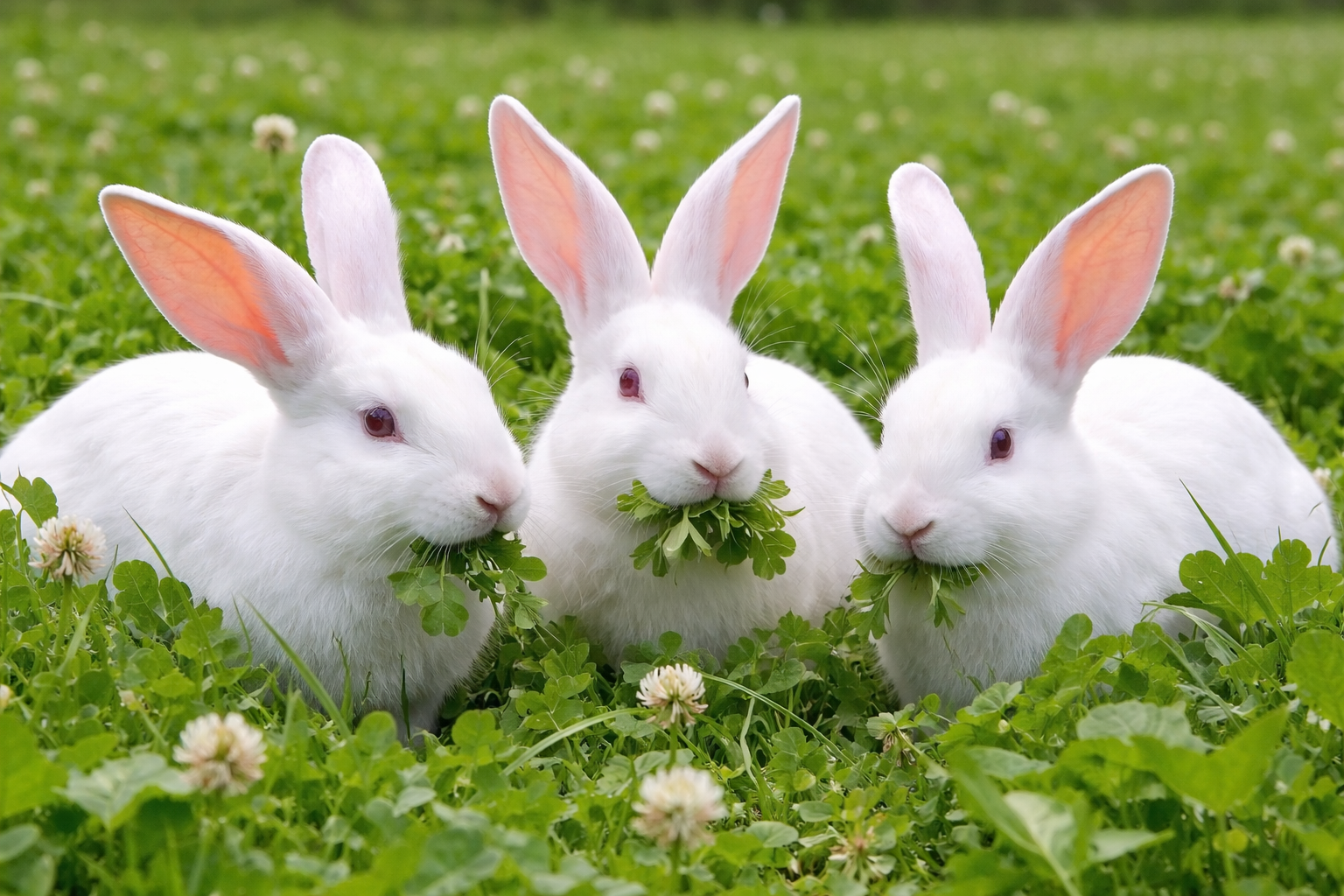
Why Plant a Rabbit Food Plot?
Feeding rabbits naturally is one of the best ways to improve their overall nutrition and health.
Growing your own rabbit forage has several benefits:
• Reduces commercial feed costs
• Provides fresh, natural nutrition
• Improves rabbit health and digestion
• Allows you to grow pesticide-free feed
• Can support wildlife like deer and pollinators
Many rabbit keepers are surprised how productive even a small plot can be.
A well-planned plot can provide clippings for rabbits from spring through fall.
Step 1: Choose the Right Location
Start by selecting a location with:
• Full sunlight (at least 6–8 hours per day)
• Well-drained soil
• Easy access for harvesting greens
If possible, plant your plot close to your rabbitry so harvesting forage is quick and easy.
Many rabbit keepers start with a small garden-sized plot and expand over time.
Step 2: Test Your Soil
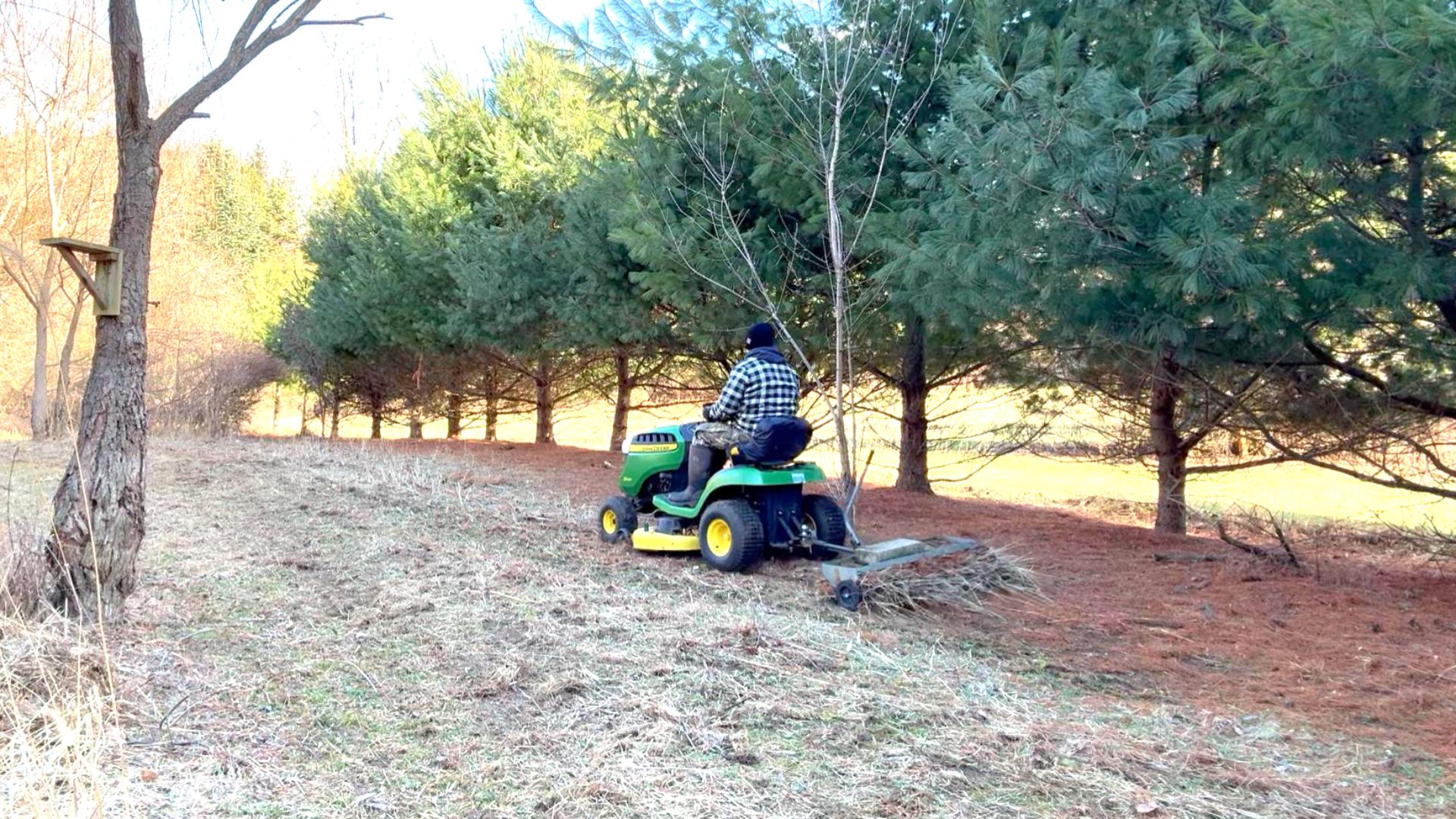
A soil test helps determine:
• Soil pH
• Nutrient levels
• Fertilizer requirements
Most forage crops grow best at a pH between 6.0 and 7.0.
Your local agricultural extension office can provide affordable soil testing kits.
Testing your soil helps avoid wasted fertilizer and ensures your plot grows strong plants.
Step 3: Clear the Planting Area
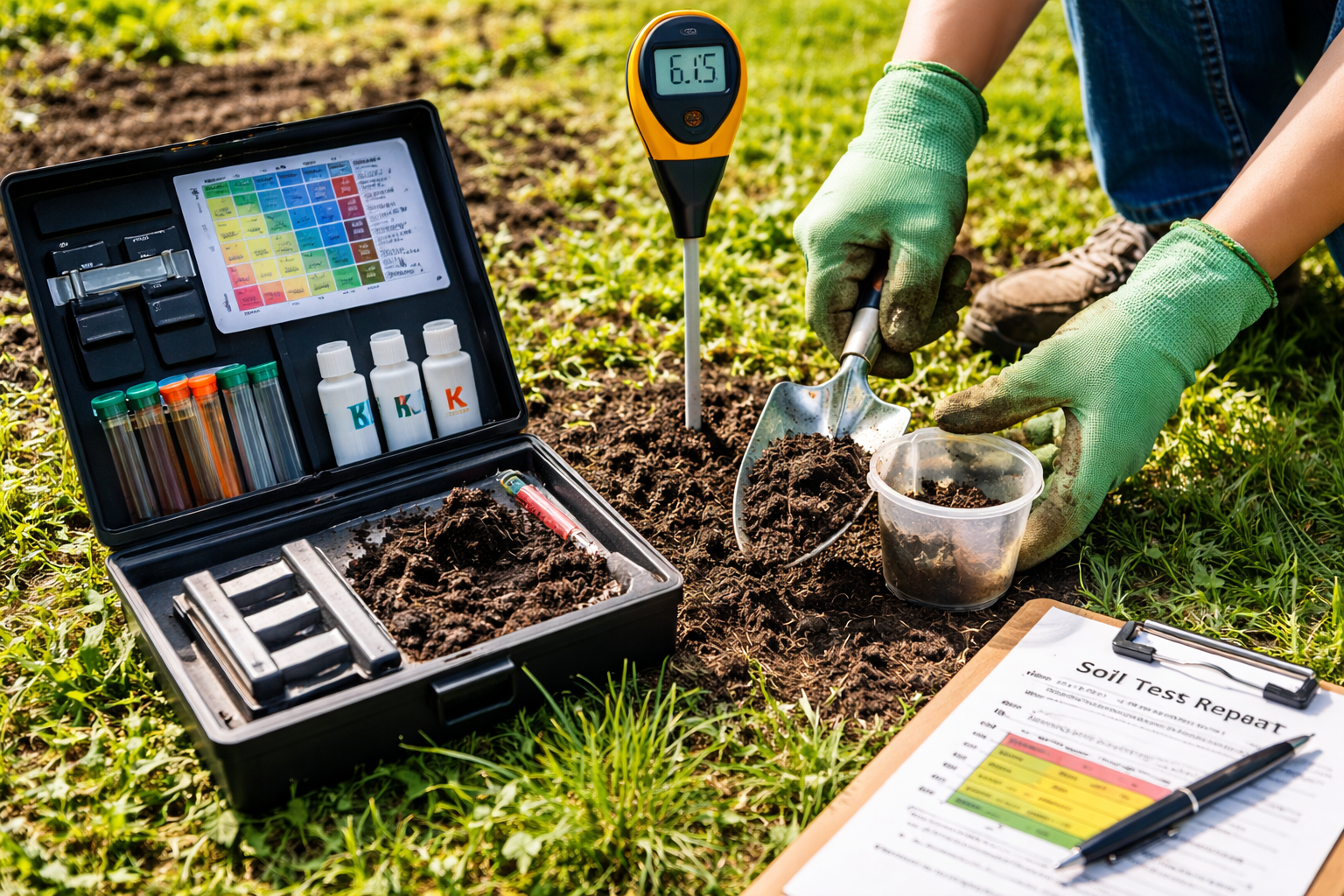
Before planting, remove existing vegetation.
There are a few ways to do this:
• Brush hog or mow the area
• Till the soil
• Smother weeds with tarps
• Spray vegetation if needed
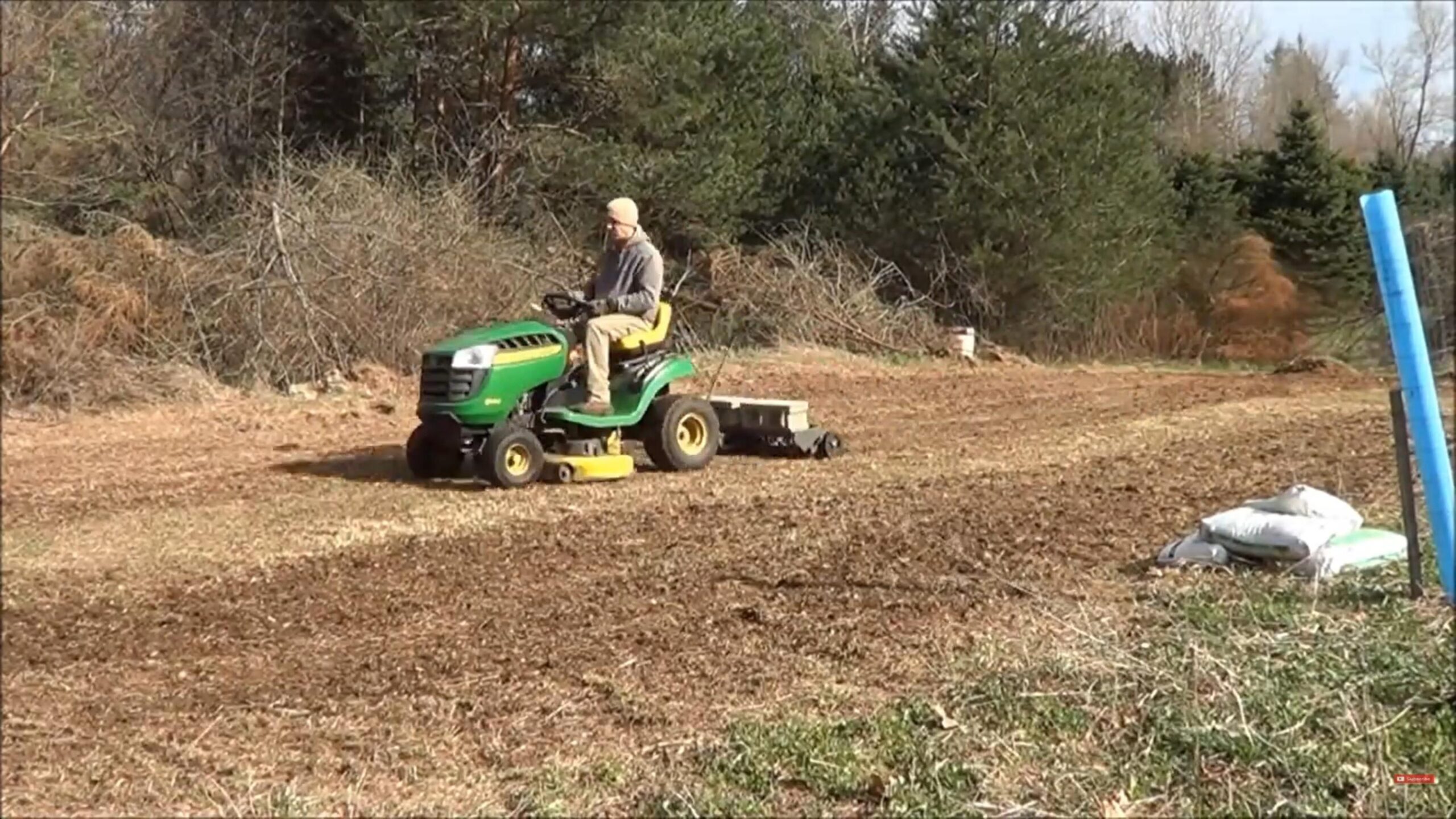
For larger plots, we simply mow the area at the lowest setting and apply a non-selective herbicide mixture to kill the existing vegetation before planting.
Once the weeds die off, the area is ready for planting.
Step 4: Add Lime and Fertilizer
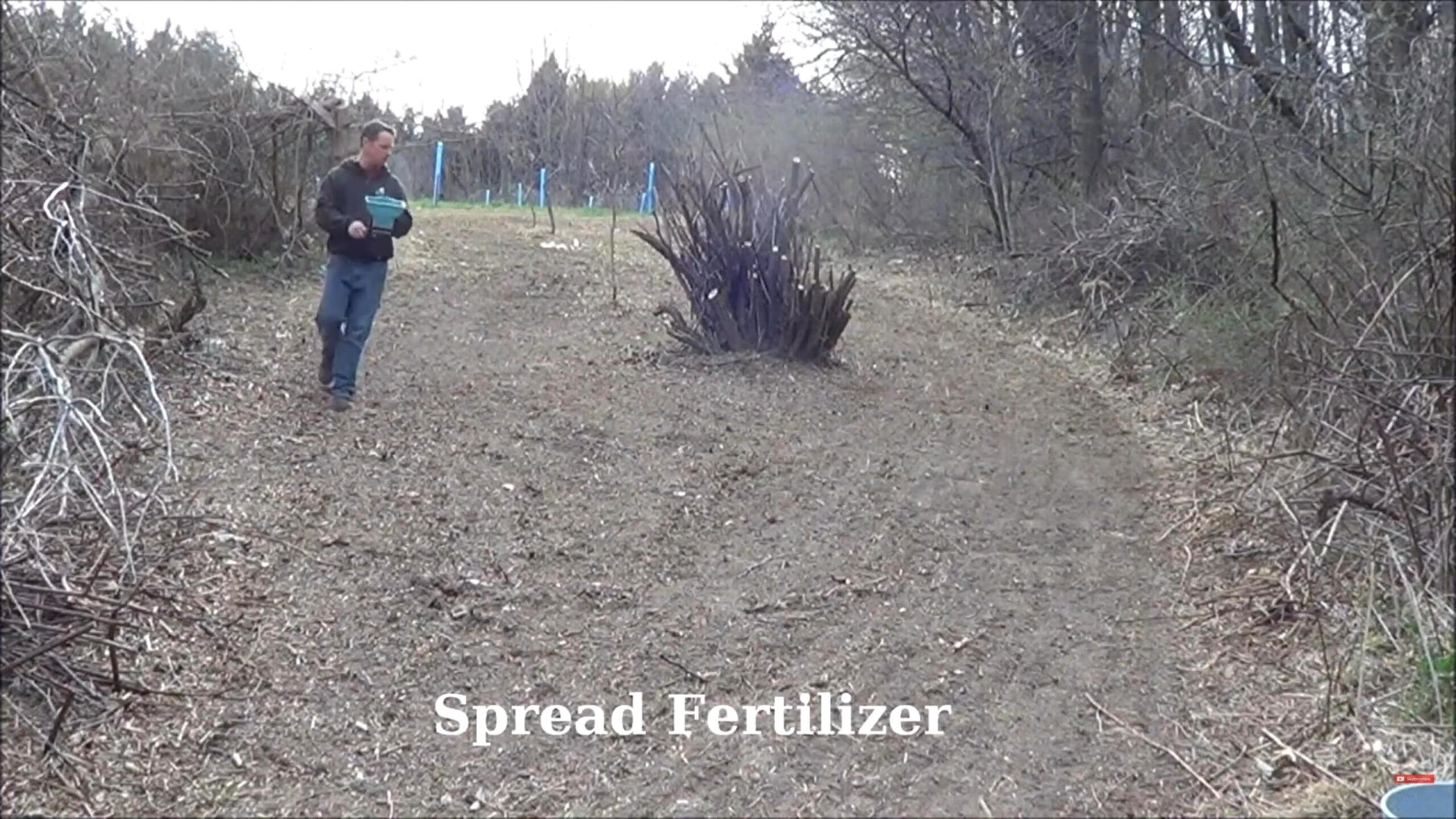
Based on your soil test results, apply:
• Lime to adjust pH if needed
• Fertilizer to provide nutrients
Good soil fertility is one of the biggest factors in successful food plots.
Without proper nutrients, plants may struggle to establish.
Step 5: Choose the Best Plants for Rabbits
Some of the best crops for rabbit forage include:
Perennial plants
• Clover
• Chicory
• Alfalfa
Annual plants
• Oats
• Wheat
• Rye
• Soybeans
Clover is one of the most popular options because it:
• Grows quickly
• Is highly nutritious
• Comes back year after year
A mix of plants often produces the best results.

Step 6: Plant the Seeds
You can plant your food plot using several methods:
Broadcasting
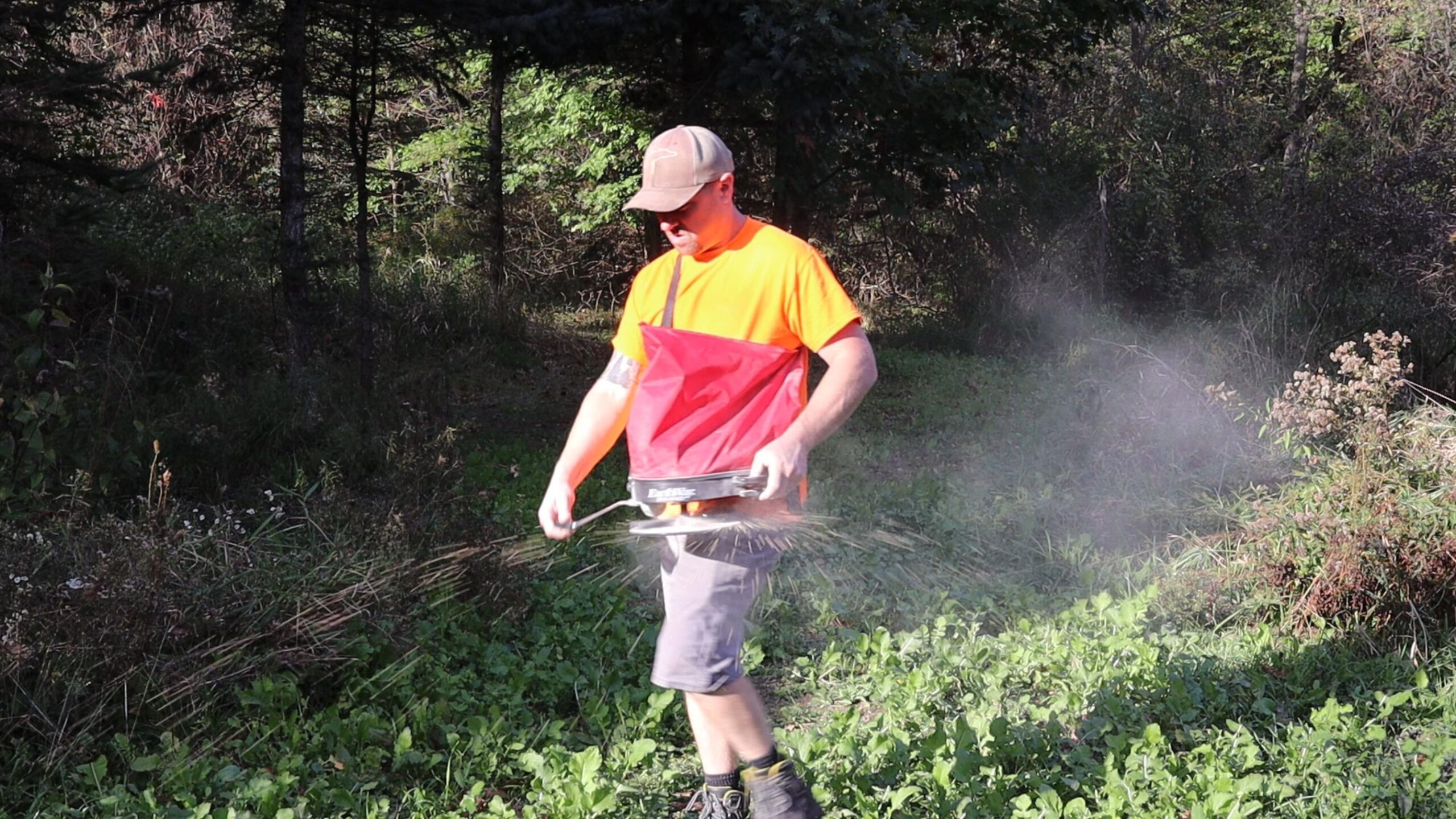
Use a spreader to scatter seeds evenly across the soil.
Seed Drilling
A seed drill places seeds at the correct depth and spacing.
Hand Seeding
For small plots, seeds can simply be scattered by hand and lightly raked into the soil.
Many small homesteads find broadcasting and hand seeding works just fine.
If you’d rather skip the guesswork of mixing multiple seeds, we also offer a Bunny Buffet Rabbit Food Plot Blend designed specifically for rabbit forage.
Step 7: Control Weeds
Weeds compete with your plants for sunlight, nutrients, and water.
Monitor your plot regularly and control weeds using:
• Mowing
• Hand removal
• Herbicides if necessary
Good soil preparation greatly reduces weed pressure.
Step 8: Water When Needed
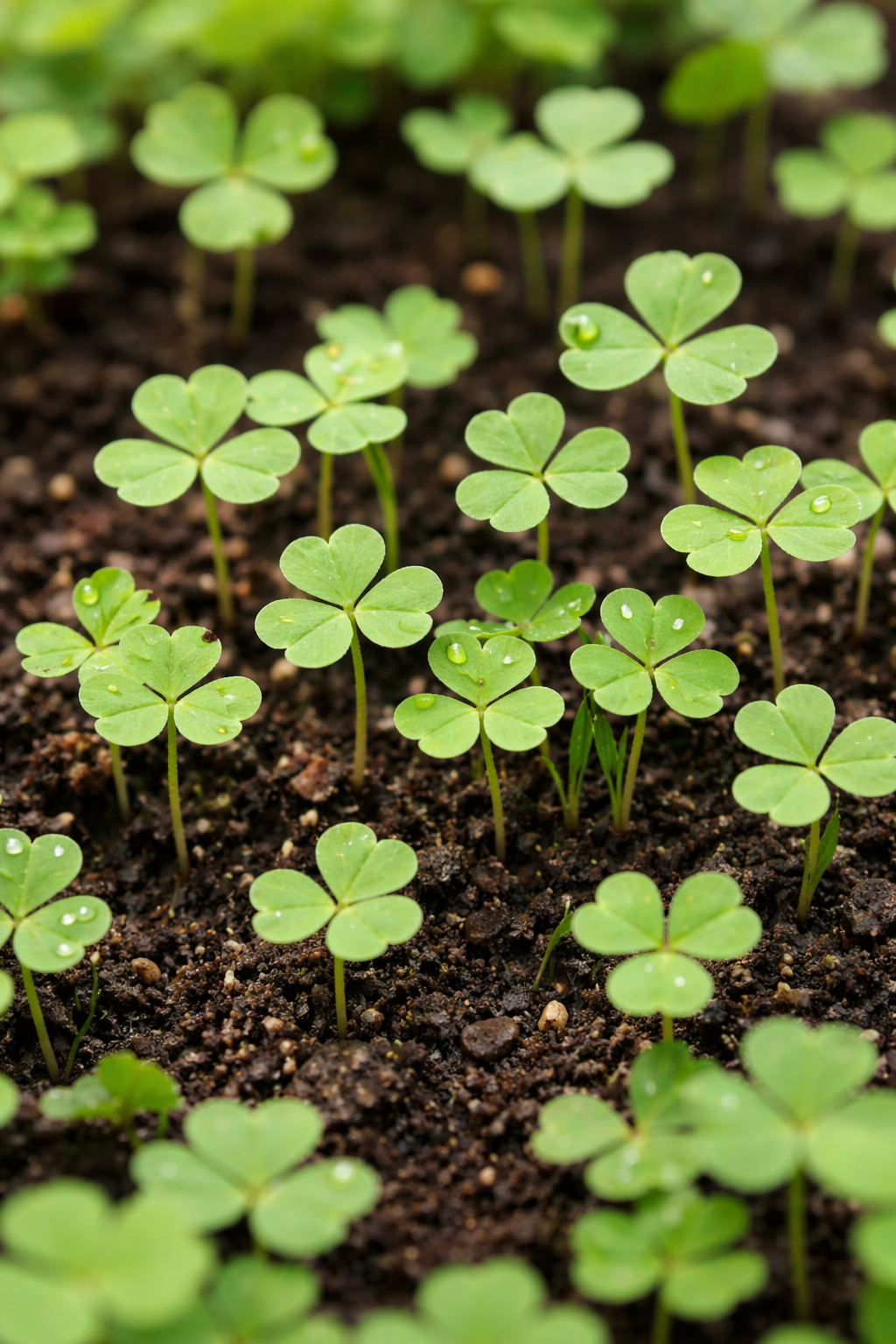
Most food plots rely on natural rainfall, but during dry periods you may need to water the plot to ensure proper germination.
This is especially important during the first few weeks after planting.
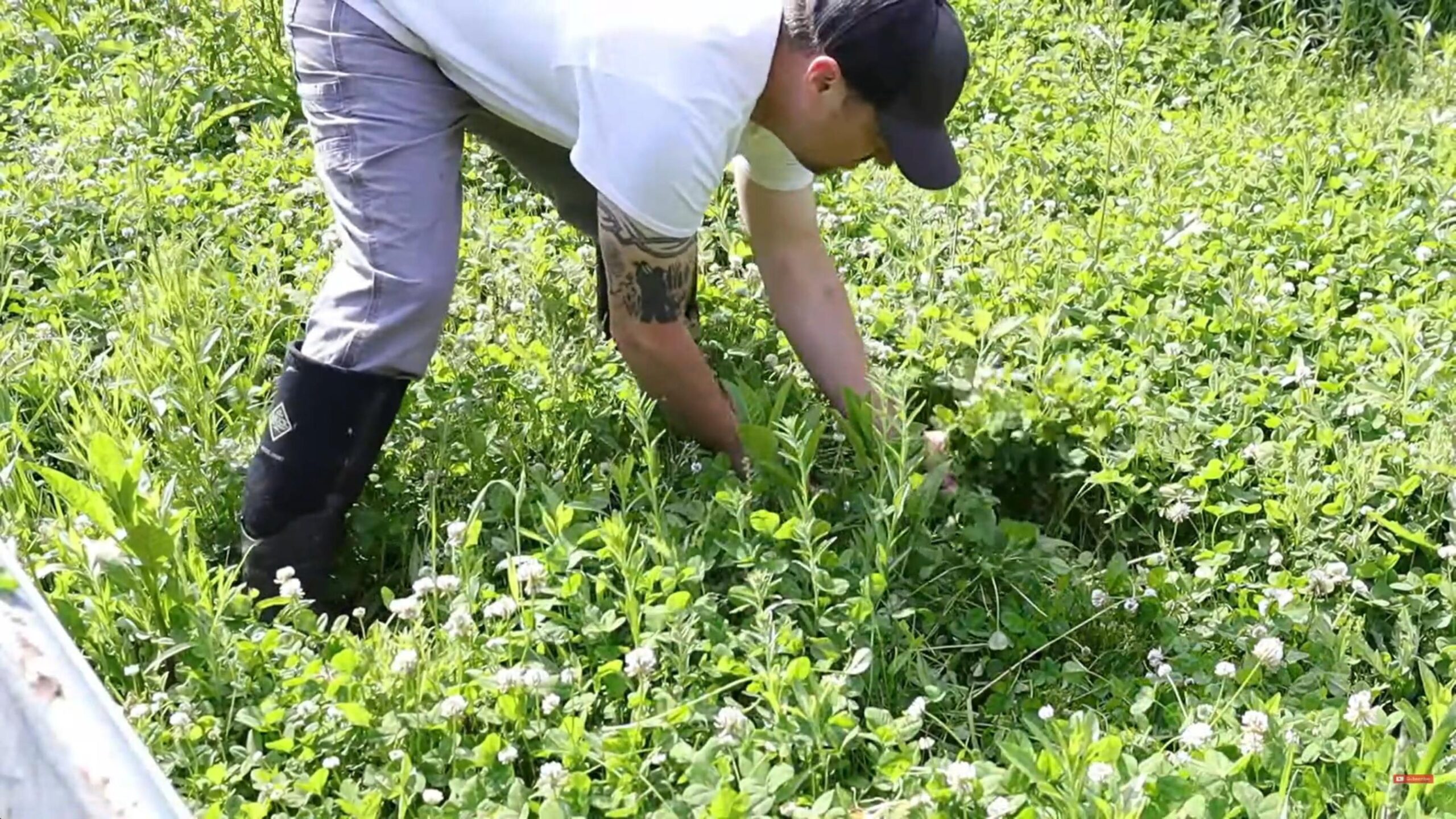
Step 9: Maintain Your Food Plot
To keep your plot productive:
• Reseed annually if needed
• Fertilize periodically
• Mow to encourage regrowth
• Rotate crops if necessary
Proper maintenance can keep a plot productive for many years.
Step 10: Protect the Plot
Wildlife may eat your plot before it fully establishes.
You can protect it by using: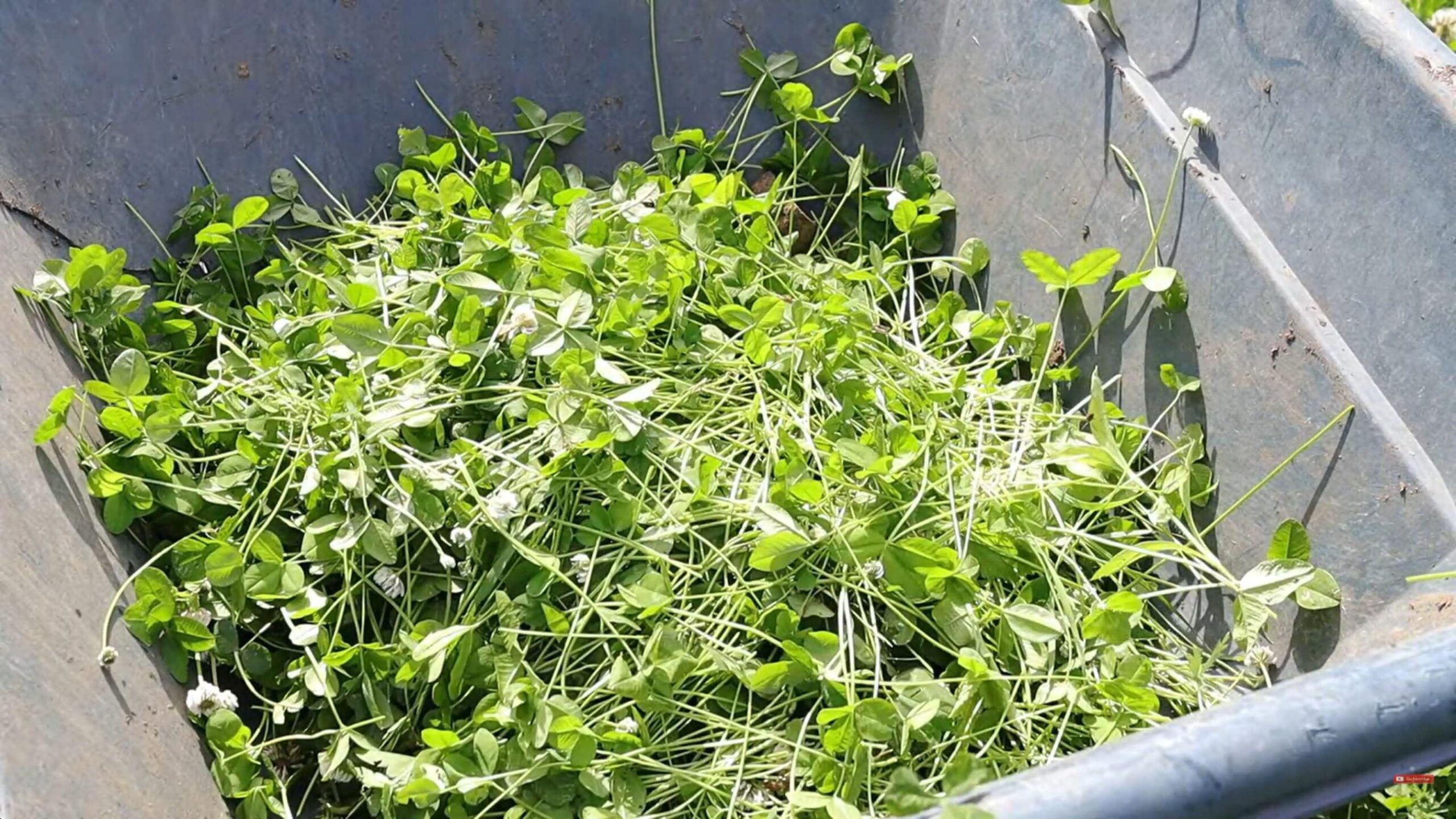
• Temporary fencing
• Electric fencing
• Planting larger areas
Once plants are well established, they can tolerate more browsing.
Final Thoughts
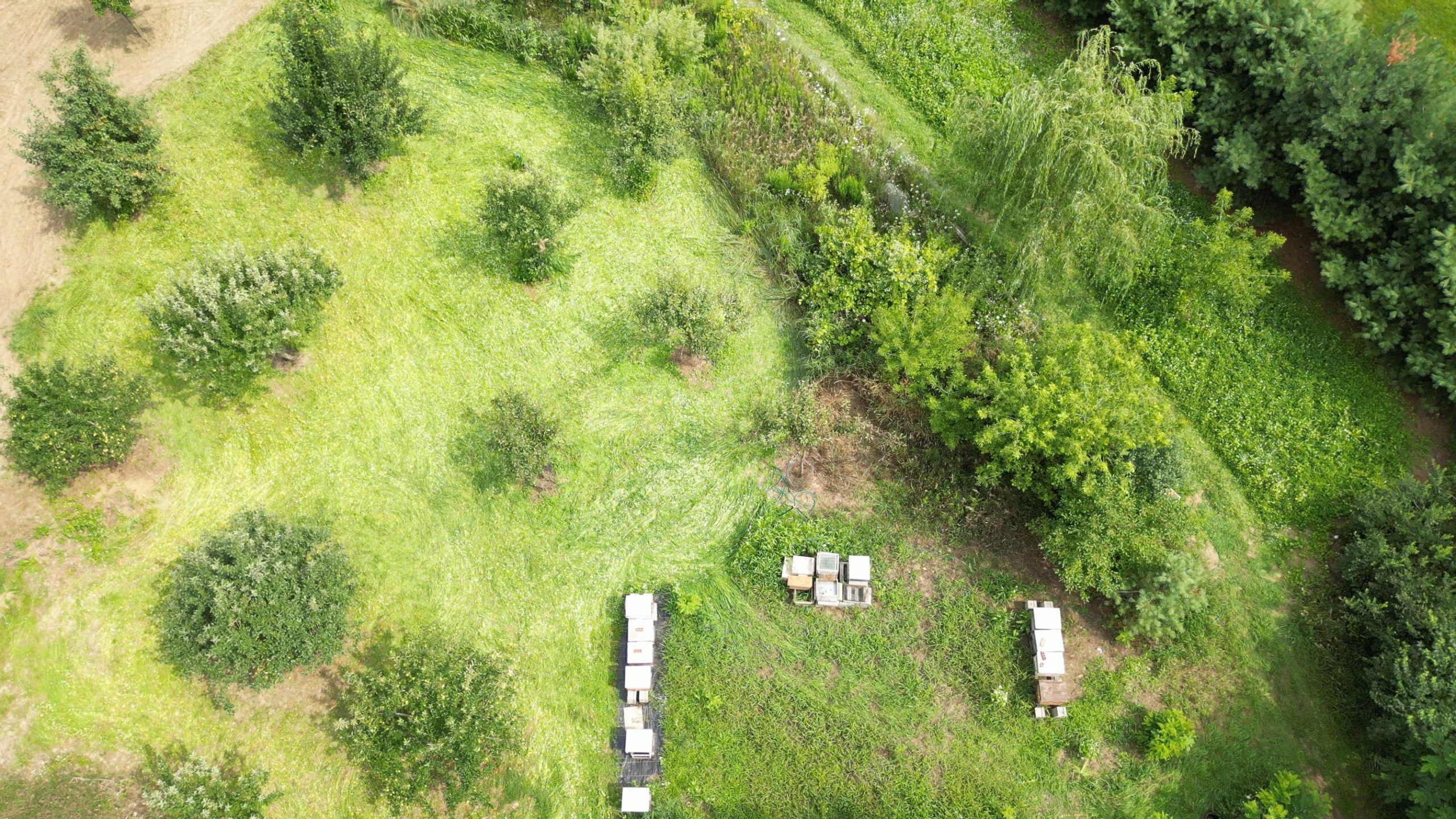
Planting a rabbit food plot is a rewarding way to produce fresh, healthy forage right on your property.
Even a small plot can dramatically reduce feed costs and provide rabbits with a natural diet.
Like any gardening project, success comes from experimenting and observing what grows best in your soil and climate.
Start small, learn as you go, and expand your plots over time.
Bonus Tip From The Rabbitry Center
One of the best strategies is to plant multiple small plots at different times of the year. This ensures you always have fresh forage available for your rabbits.
“If you’d rather skip the guesswork of mixing seeds yourself…”
A Simple Option: Pre-Mixed Rabbit Food Plot Seed
If you want to simplify the process, we created a ready-to-plant rabbit food plot blend here at The Rabbitry Center.
Our Bunny Buffet Food Plot Blend includes a balanced mix of perennial and annual plants rabbits love, including:
• White Clover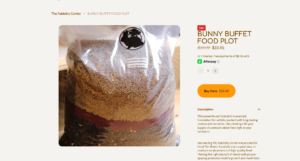
• Chicory
• Alfalfa
• Buckwheat
• Oats
• Red Clover
This mix is designed to establish quickly and provide high-protein forage rabbits can enjoy for years.
One bag can cover up to 3,000 square feet, making it a simple way to start growing natural rabbit feed right in your backyard.
👉 You can learn more about the Bunny Buffet Food Plot here:
[The Rabbitry Center Blend]non-sl