How to Build Durable Rabbit Cages for a Healthy, Professional Rabbitry

Note: For your convenience, step-by-step build videos and recommended products are linked at the bottom of this post so you can follow along or shop as you go.

How to Build Durable Rabbit Cages for a Healthy, Professional Rabbitry

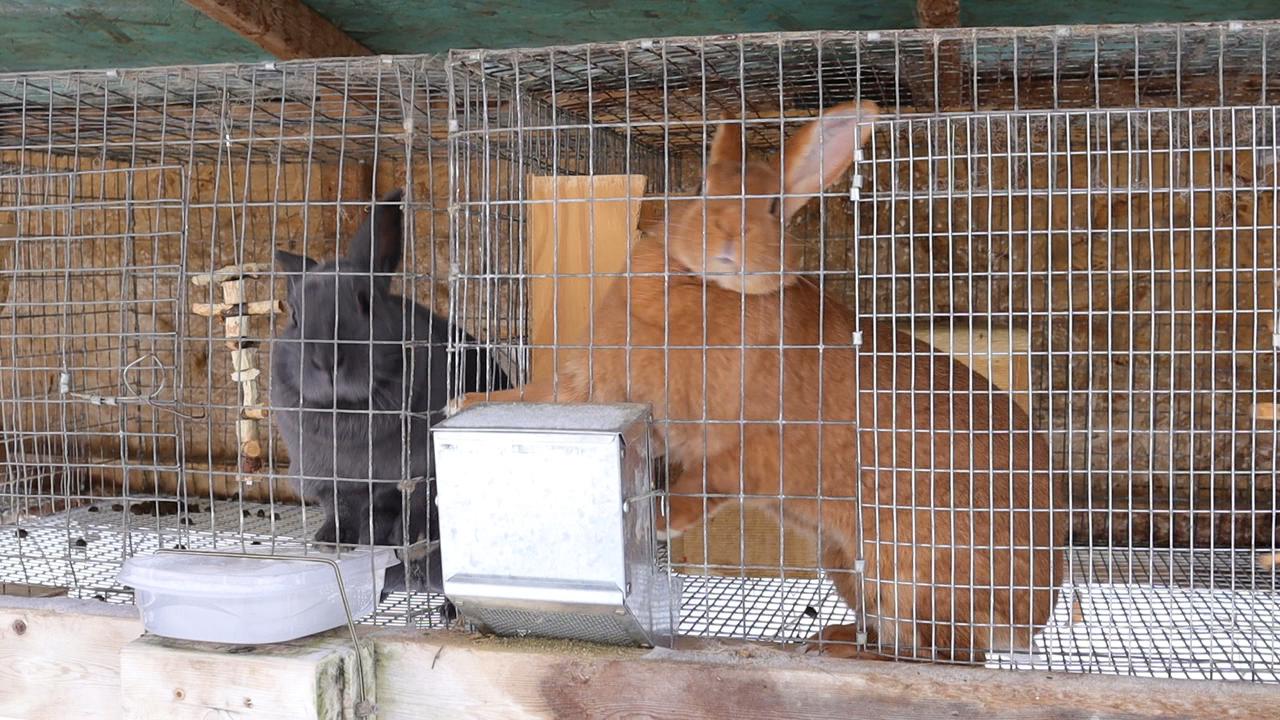
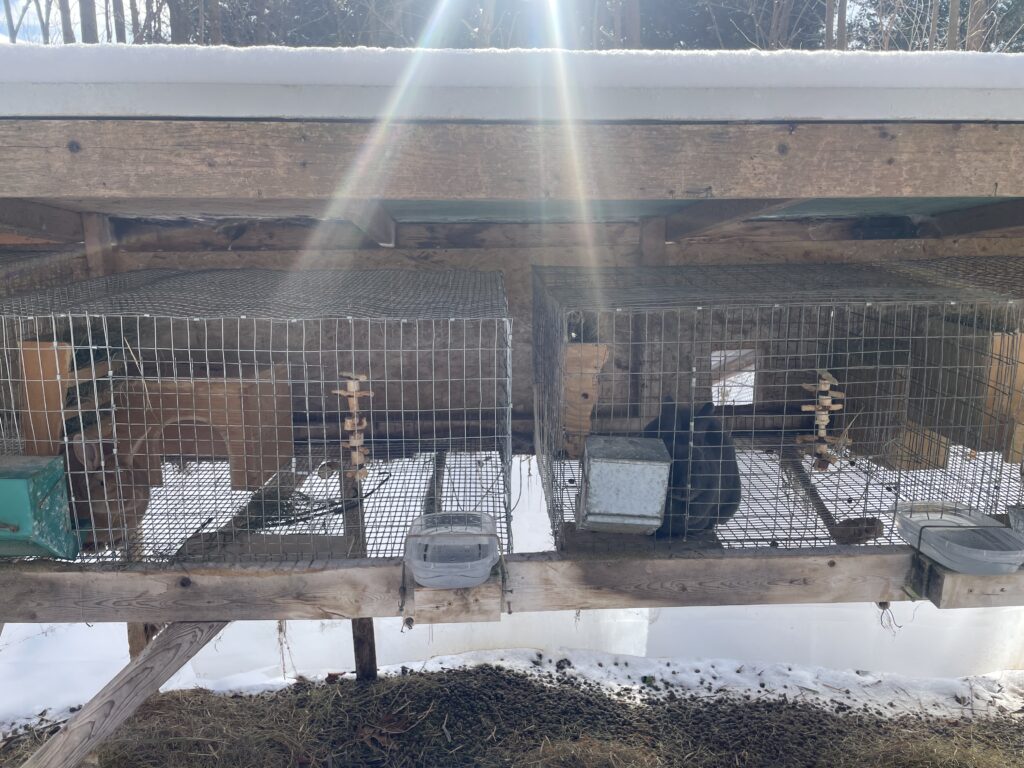
Hi everybody, Bobby from the Rabbitry Center here. Today I want to walk you through exactly how we build our rabbit cages, why we chose cages over colony raising, and what materials actually last long-term. This method has worked for us for years and supports both animal welfare and a professional rabbitry operation.

If you’re raising rabbits for meat, breeding, or sales, this guide will help you build cages that are durable, hygienic, and easy to manage.


Why We Use Cages Instead of Colony Raising

When we first started, our goal was simple: meat production. But one thing led to another, and soon we were selling rabbits, taking reservations, and helping other families start their own rabbit meat operations.
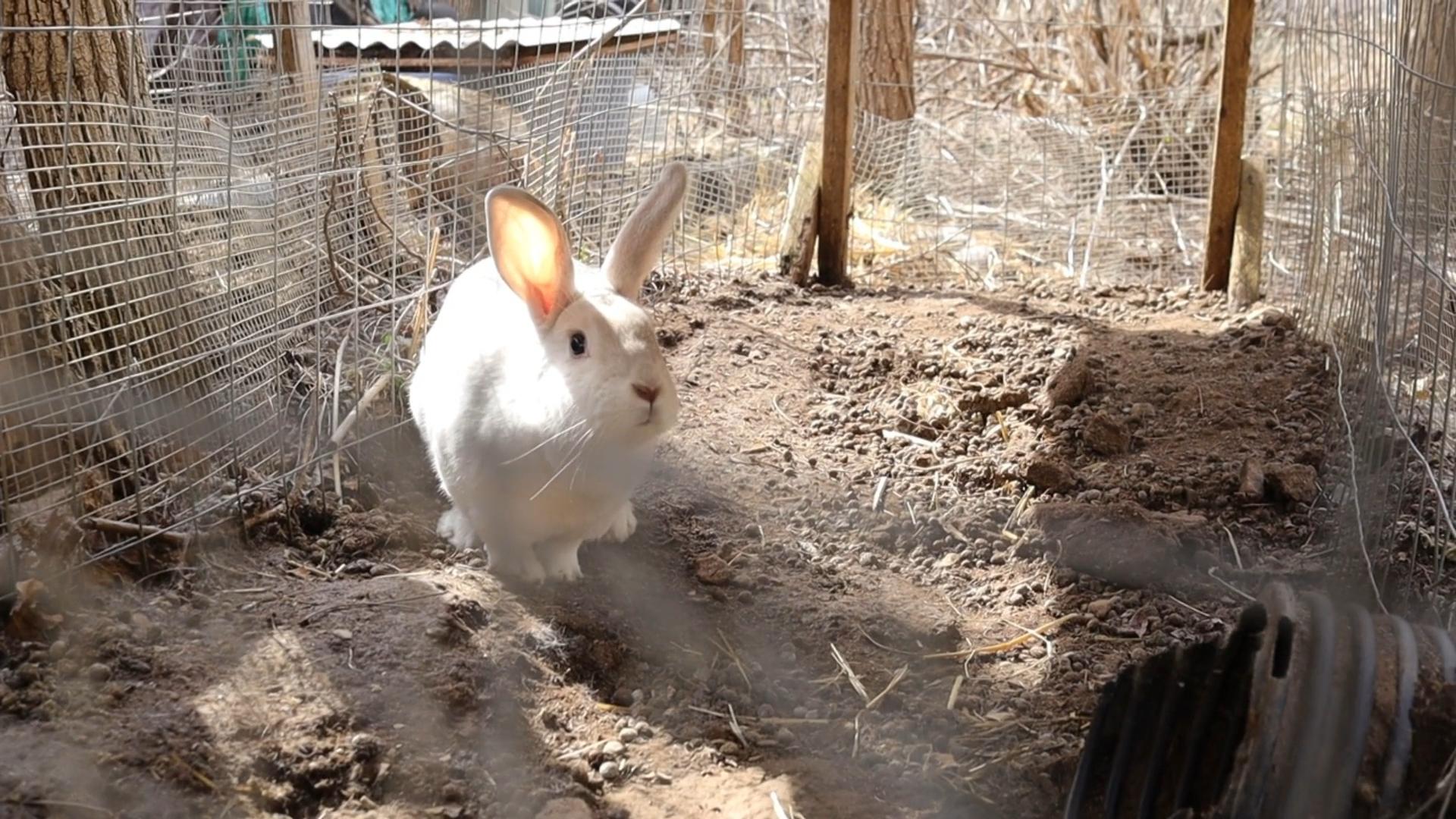
We chose cages because they allow us to:

  • Inspect every rabbit and litter easily

  • Control breeding accurately

  • Ensure rabbits are free of fleas, ticks, wounds, and scars
  • Monitor health before a rabbit is sold

  • Get the most productivity out of our breeding does
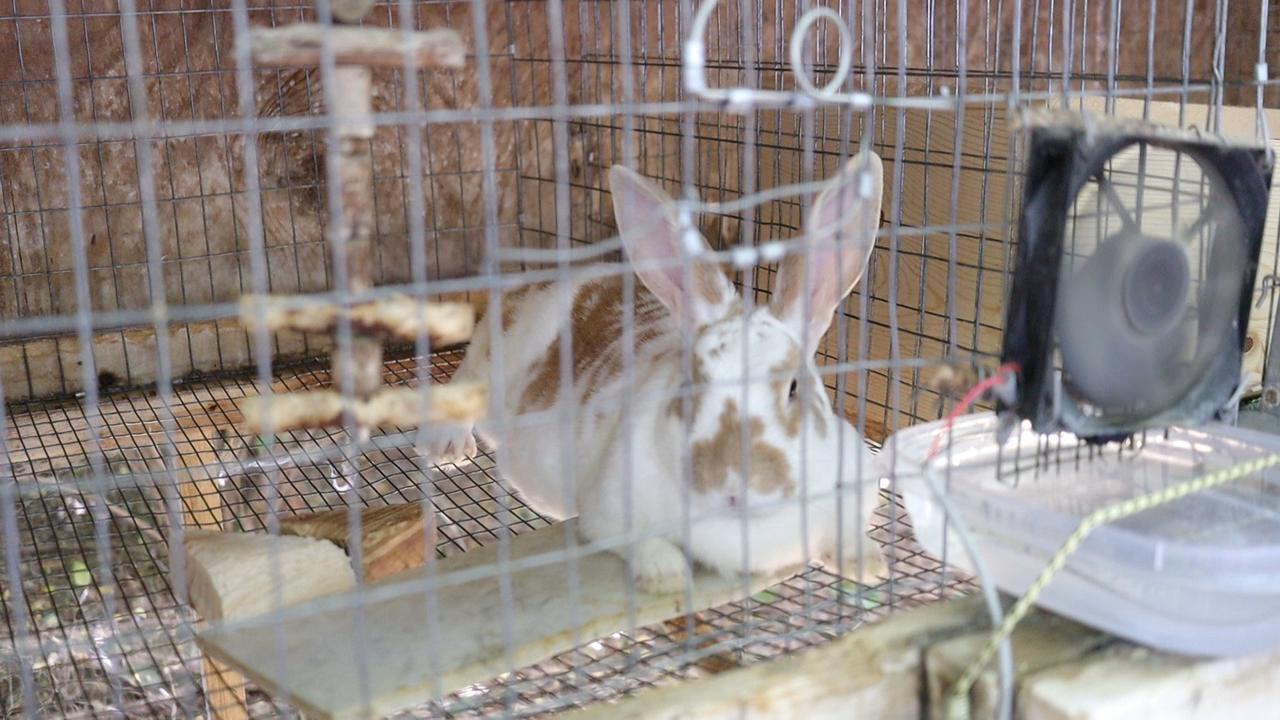
When you’re selling rabbits or taking deposits, the last thing you want is to discover a health issue in an animal that’s already spoken for. Cages make consistent care possible.


Choosing the Right Cage Wire (This Matters)

Not all rabbit cages are created equal.

Avoid Painted Pet Store Cages

Many store-bought cages are made with painted wire that’s baked on, not galvanized. These cages:

  • Rust quickly

  • Don’t hold up outdoors

  • Need frequent replacement

Use Galvanized Wire Instead

Galvanized cage wire is designed for outdoor use and can last decades. It costs more upfront, but the difference is night and day. You truly get what you pay for.


Proper Wire Size and Gauge for Rabbit Cages

Side and Top Panels
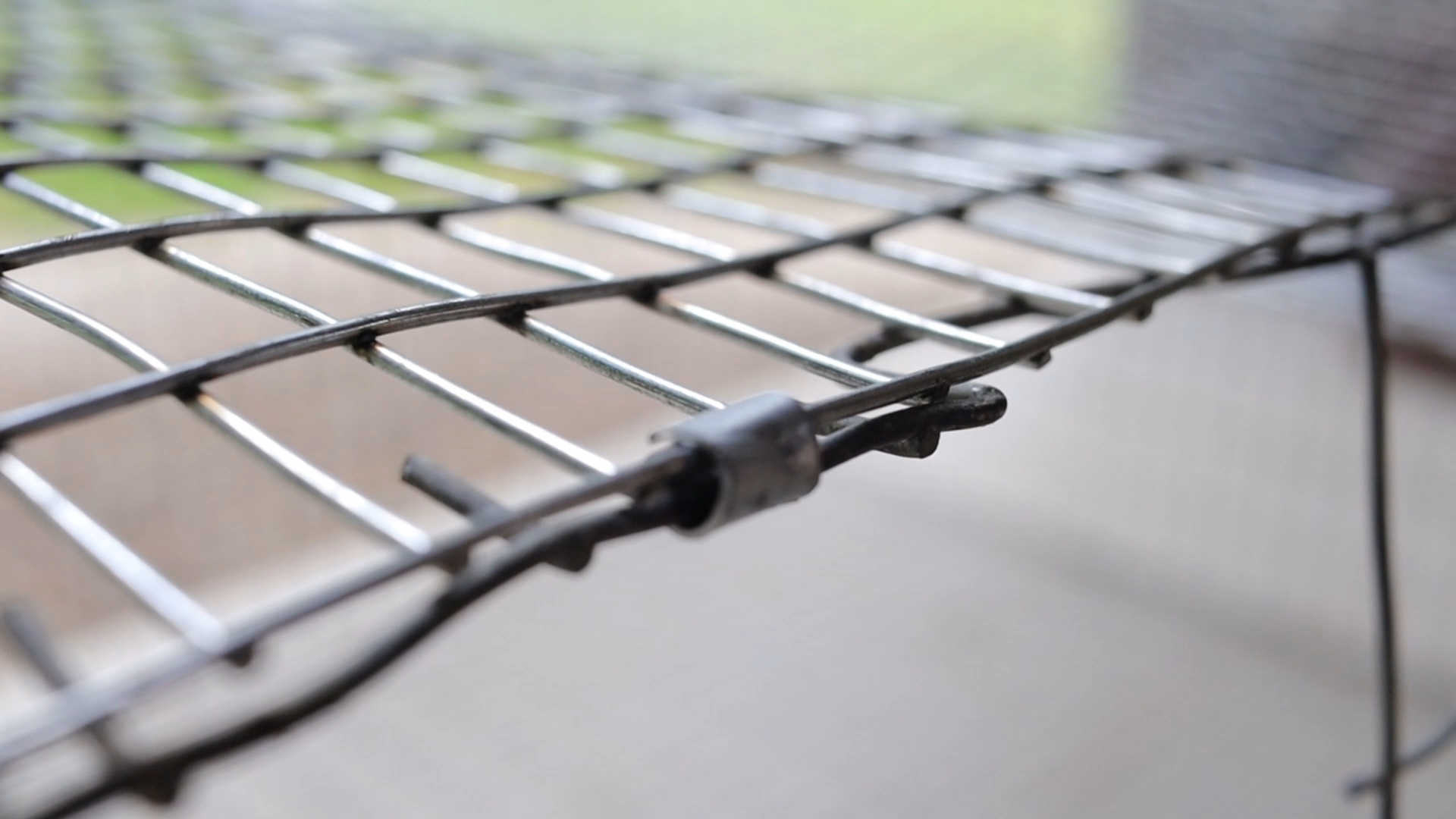
  • Wire size: 1 inch x 2 inch

  • Strong, breathable, and easy to work with

Cage Floor (Very Important)

The cage floor supports your rabbit’s weight, so wire thickness matters.

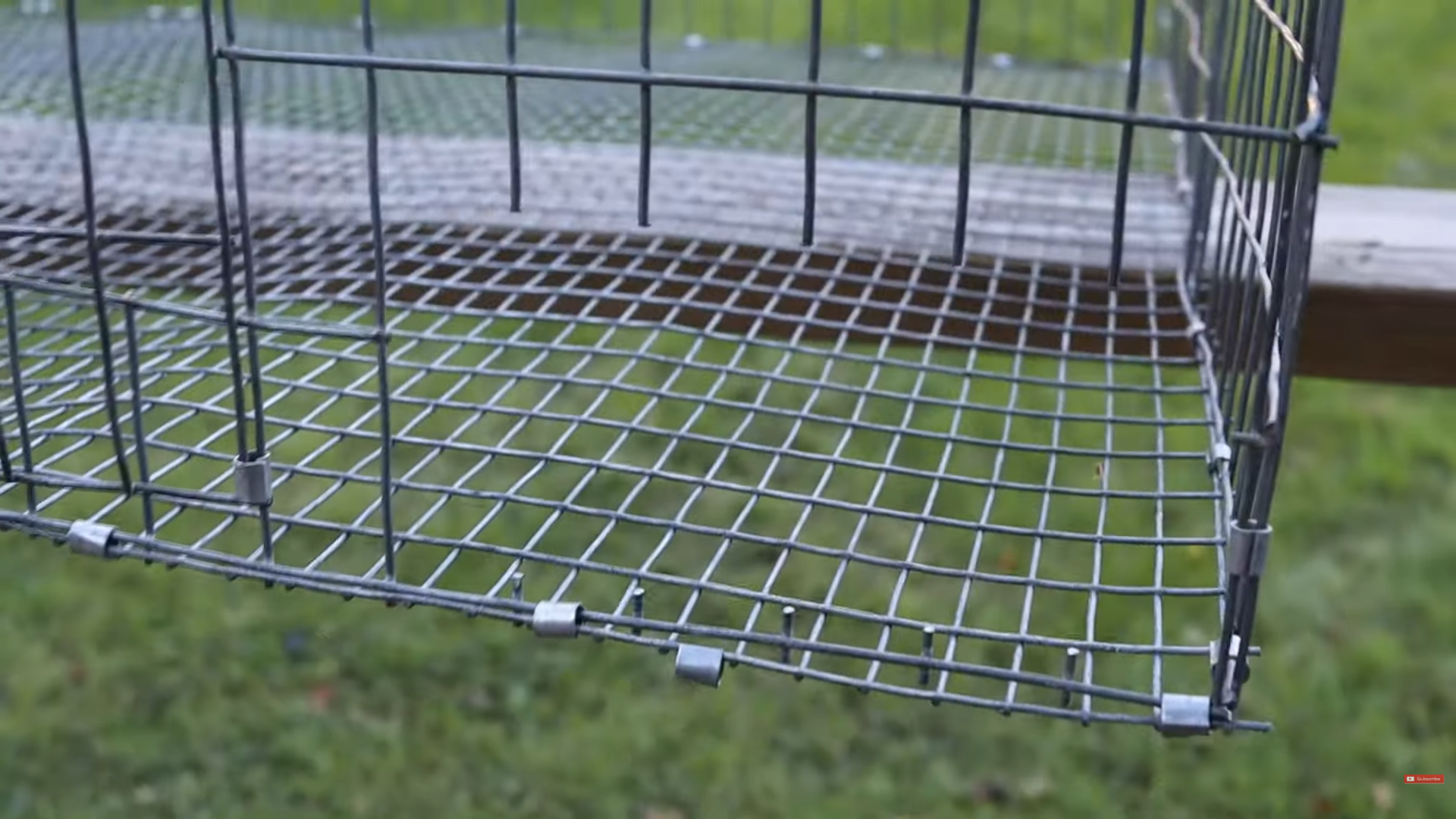
  • Wire size: ½ inch x 1 inch

  • Gauge:

    • Minimum: 16 gauge

    • Ideal: 14 gauge (harder to find)

Lower gauge numbers mean thicker wire. Thicker floors help prevent sagging and sore hocks.

Cage floors get a bad reputation mostly because of overfeeding. Keep your rabbits at a healthy weight and sore hocks are rarely an issue.


Cage Floor Bottom: A Critical Choice (Read This Carefully)

The cage floor bottom is one of the most important decisions you’ll make when building rabbit cages—and it’s often overlooked.

Unlike most of the cage wire we use (which you can find on Amazon using our links), cage floor wire deserves extra attention, especially if:
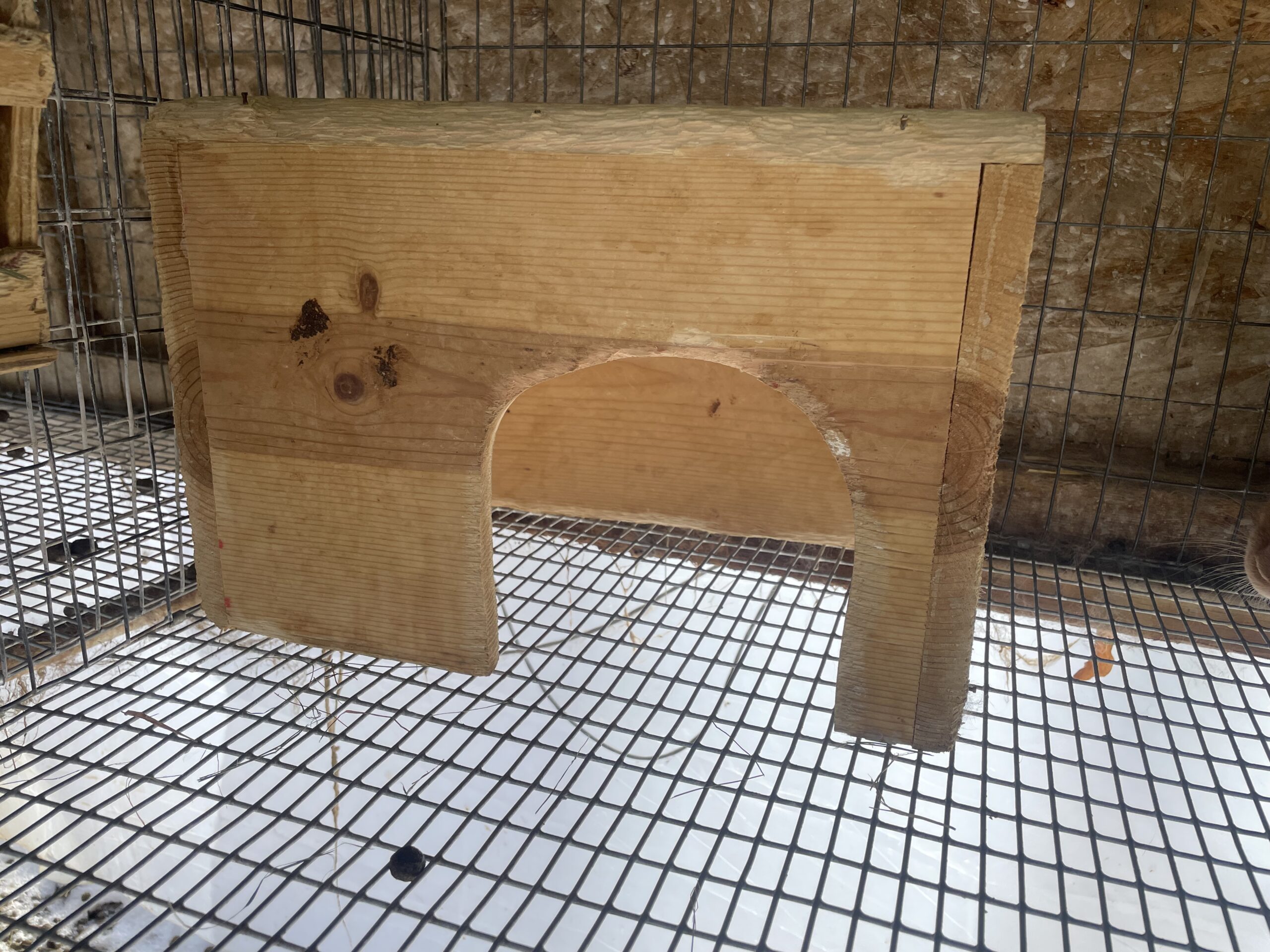
  • You raise rabbits larger than small breeds

  • You use nesting boxes or hide boxes 

  • You want cages that stay flat and strong long-term

Recommended Cage Floor Specifications

  • Wire size: ½ inch x 1 inch

  • Gauge: 14 gauge (14G) — highly recommended

While 16G flooring can work, 14G is strong enough to carry the extra load from:

  • Heavier rabbits

  • Nest boxes

  • Hide boxes

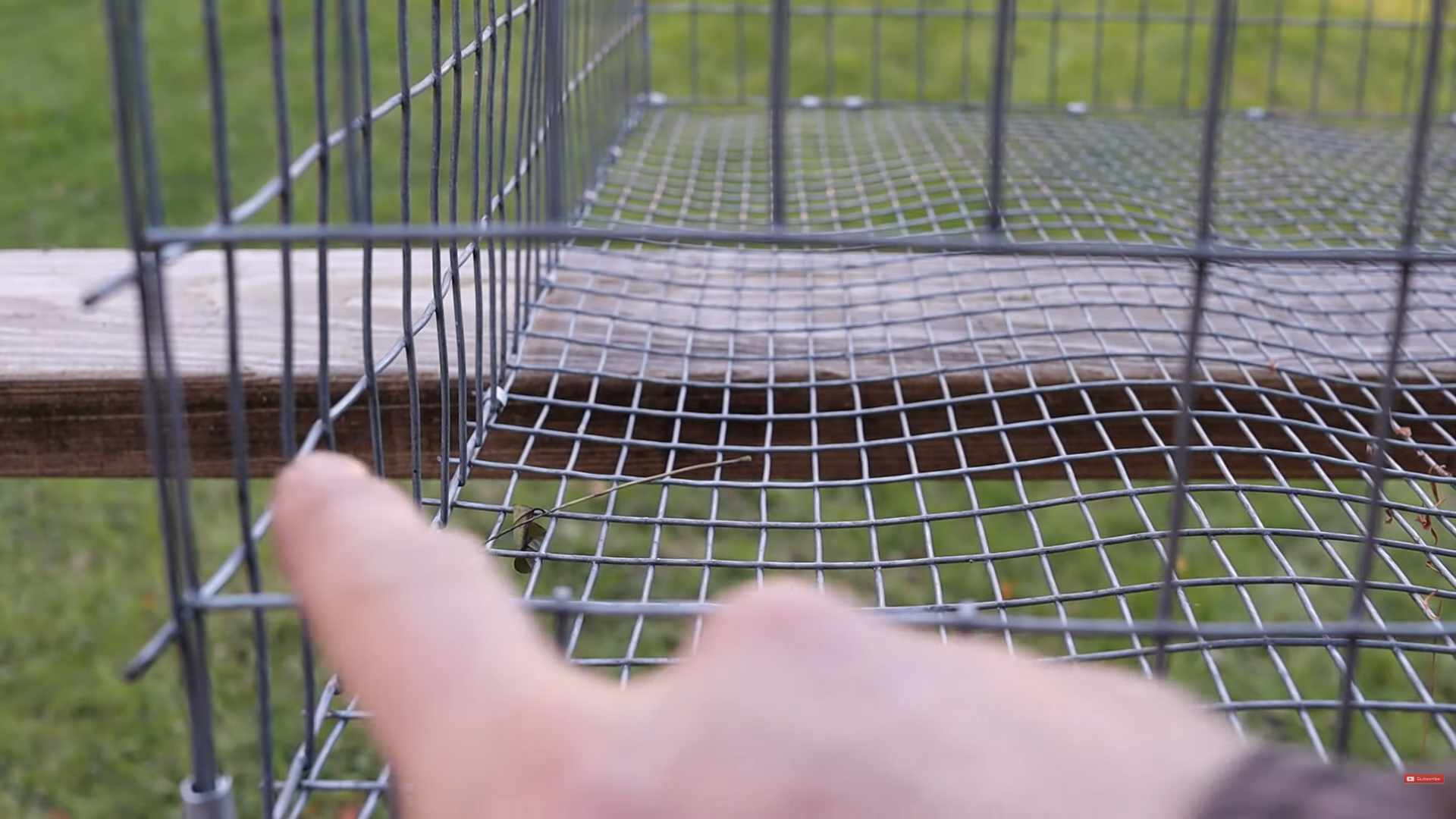
Thinner wire will eventually bow or sag, which can cause discomfort, poor drainage, and structural issues. A flat, rigid floor protects your rabbits and extends the life of your cages.

Where to Buy True 14G Cage Floor Wire

We recommend Klubertanz for 14G cage wire. They do things the old-fashioned way and focus on quality and customer service.

Klubertanz offers:

  • 14G ½” x 1″ cage floor

  • Rolls or precut pieces

  • Knowledgeable support to help you order the right material

How to Place an Order with Klubertanz

  • Phone (preferred): 1-800-237-3899
    They prefer phone orders so they can provide accurate shipping estimates and product guidance.

  • Email: klubertanz@ticon.net

  • Fax: 608-884-7509

  • Mail: Order using the printed catalog order form

A free paper catalog is available upon request. [Online Catalog]

If you’re serious about building cages that last and supporting the health of your rabbits, this is one place not to cut corners.


Cage Dimensions We Use:

  • 30″ wide x 30″ deep x 18″ tall breeder cage

  • 36″ wide x 30″ deep x 18″ tall grow-out cage

This size works well for breeding does, grow-outs, and general housing.


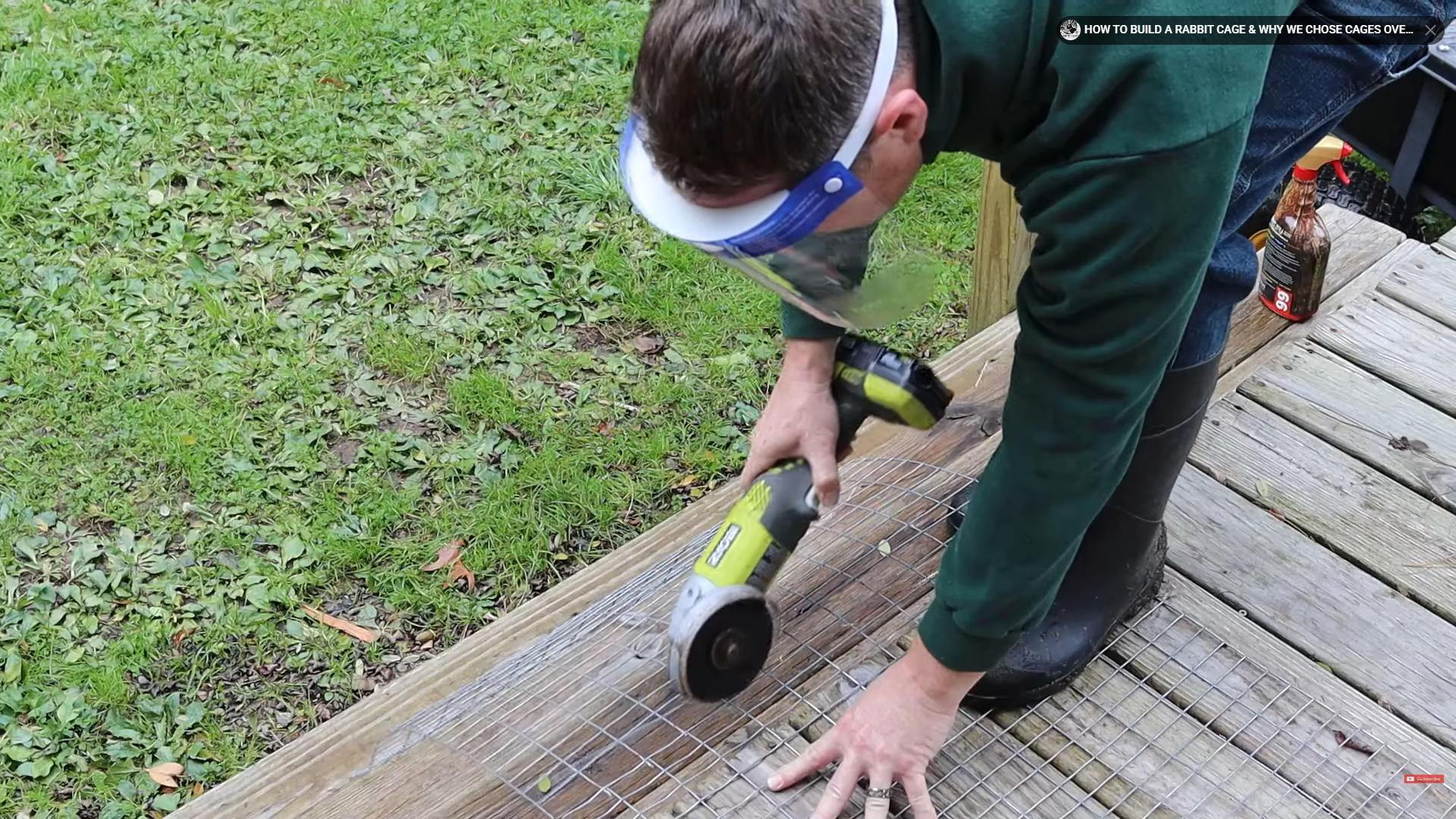
Step 1: Cut the Side Panels

  • Cut four side panels, each 18 inches tall
  • Use a 24-inch roll and trim off the extra 6 inches
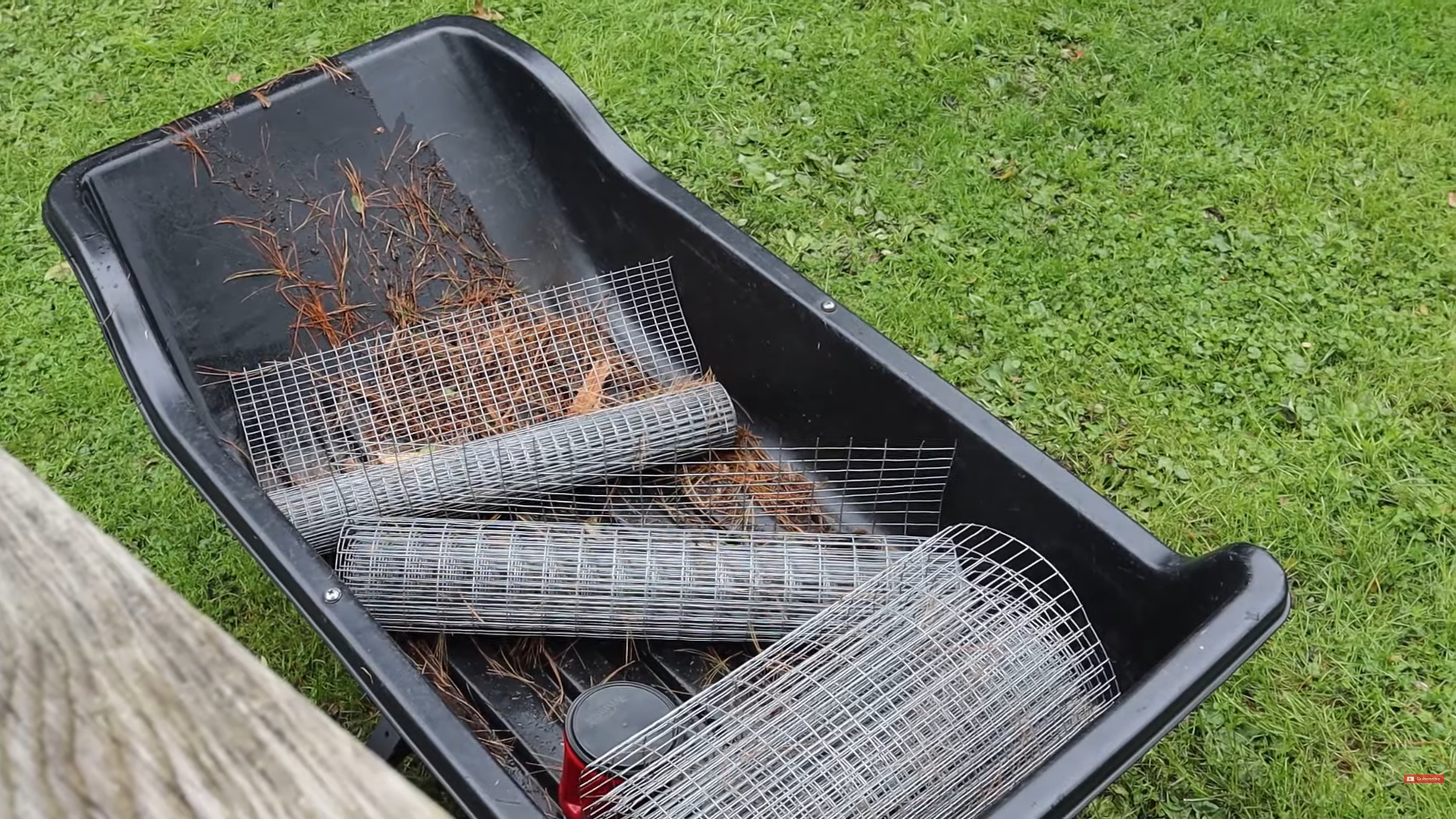
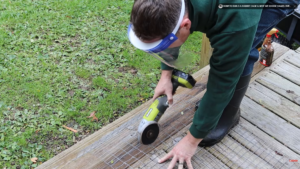
You can cut on:

  • A picnic table

  • A deck

  • A sidewalk

Let the cut line hang over the edge so your cutters don’t bind.


Step 2: Cut the Top Panel

  • Cut a 30 or 36-inch section from your roll
  • Trim it down to 30 x 30 inches by cutting off 6 inches if your not making a grow-out cage
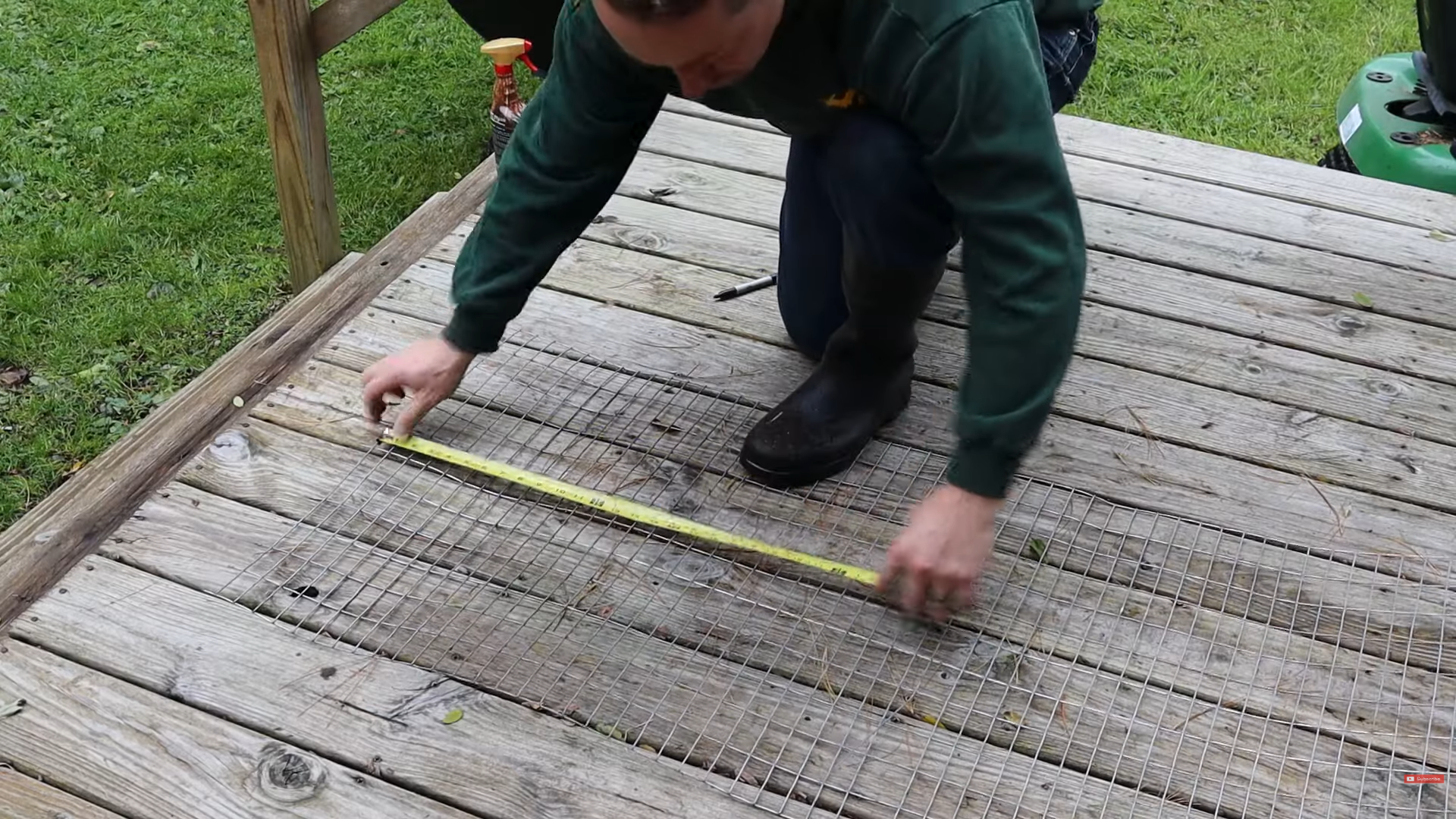
This gives you a perfectly square top.


Step 3: Cut the Floor Panel

  • Use ½ inch x 1 inch wire

  • Cut a 30 x 30 inch piece

Most rolls come 30 inches wide, so you only need one cut.


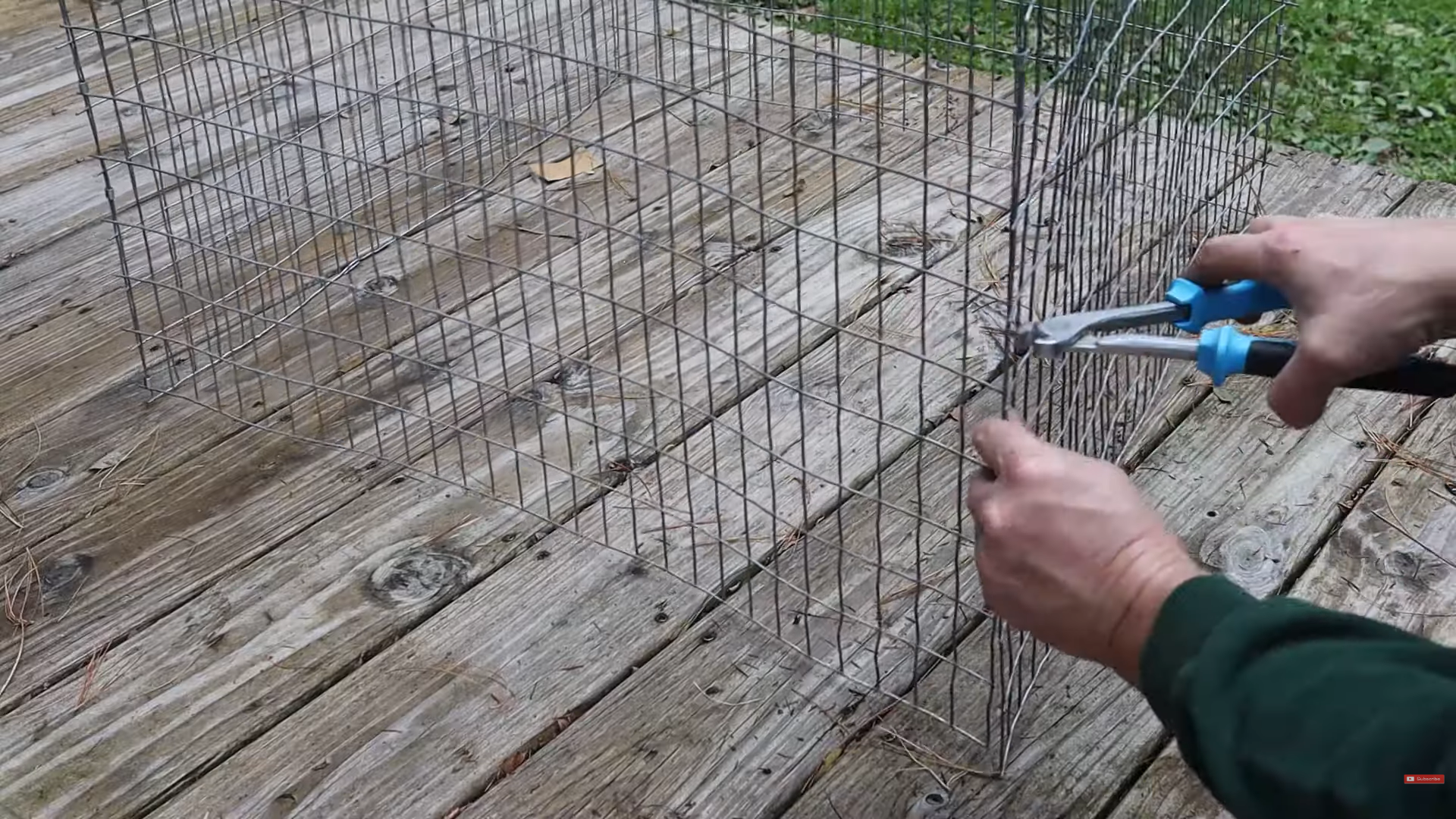
Step 4: Assemble the Cage

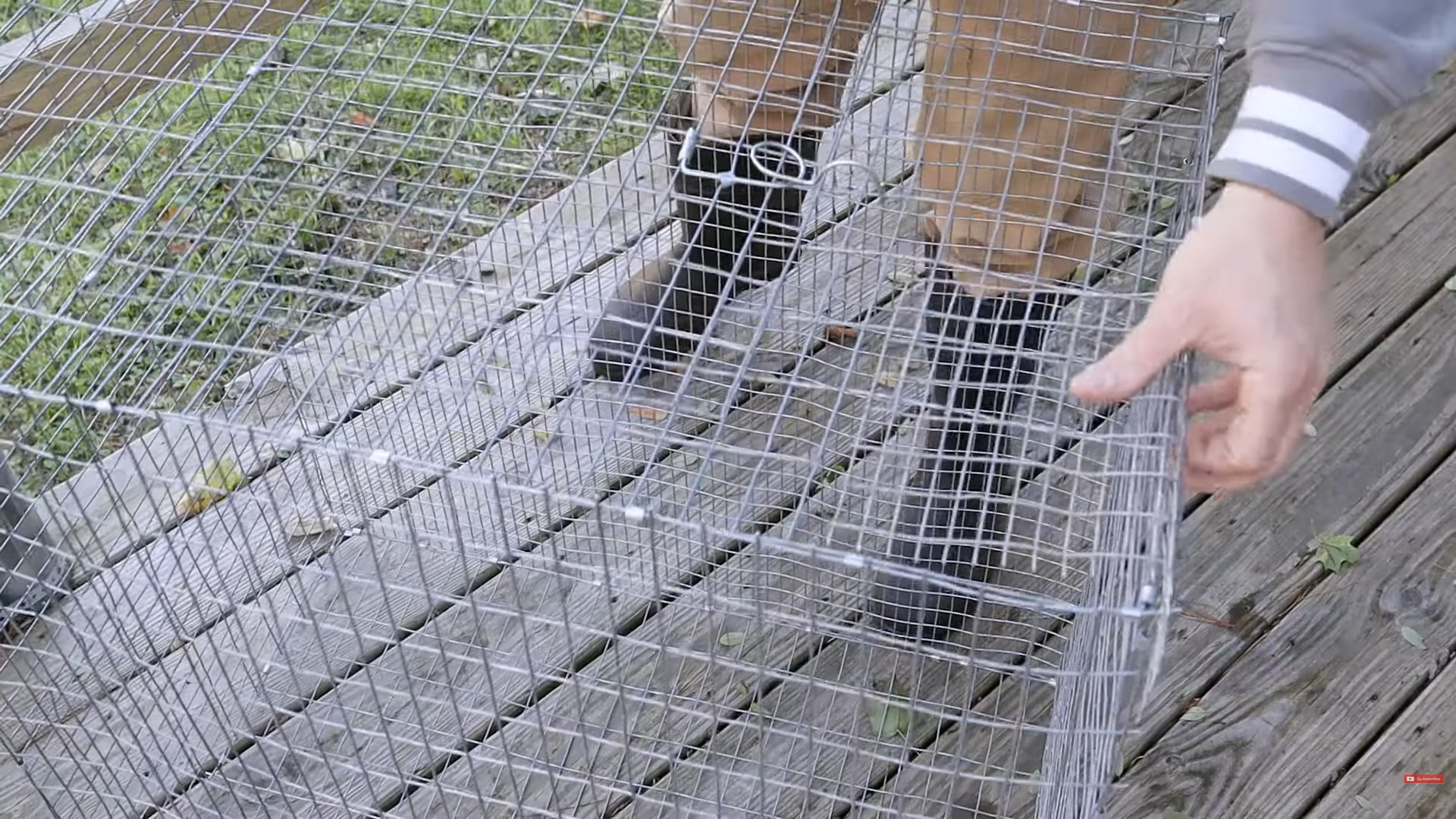
  1. Attach two side panels together

  2. Attach the remaining two panels

  3. Form a box shape

  4. Secure seams with J-clips (about 3 per seam)
Pro Tip

When attaching the top and bottom:
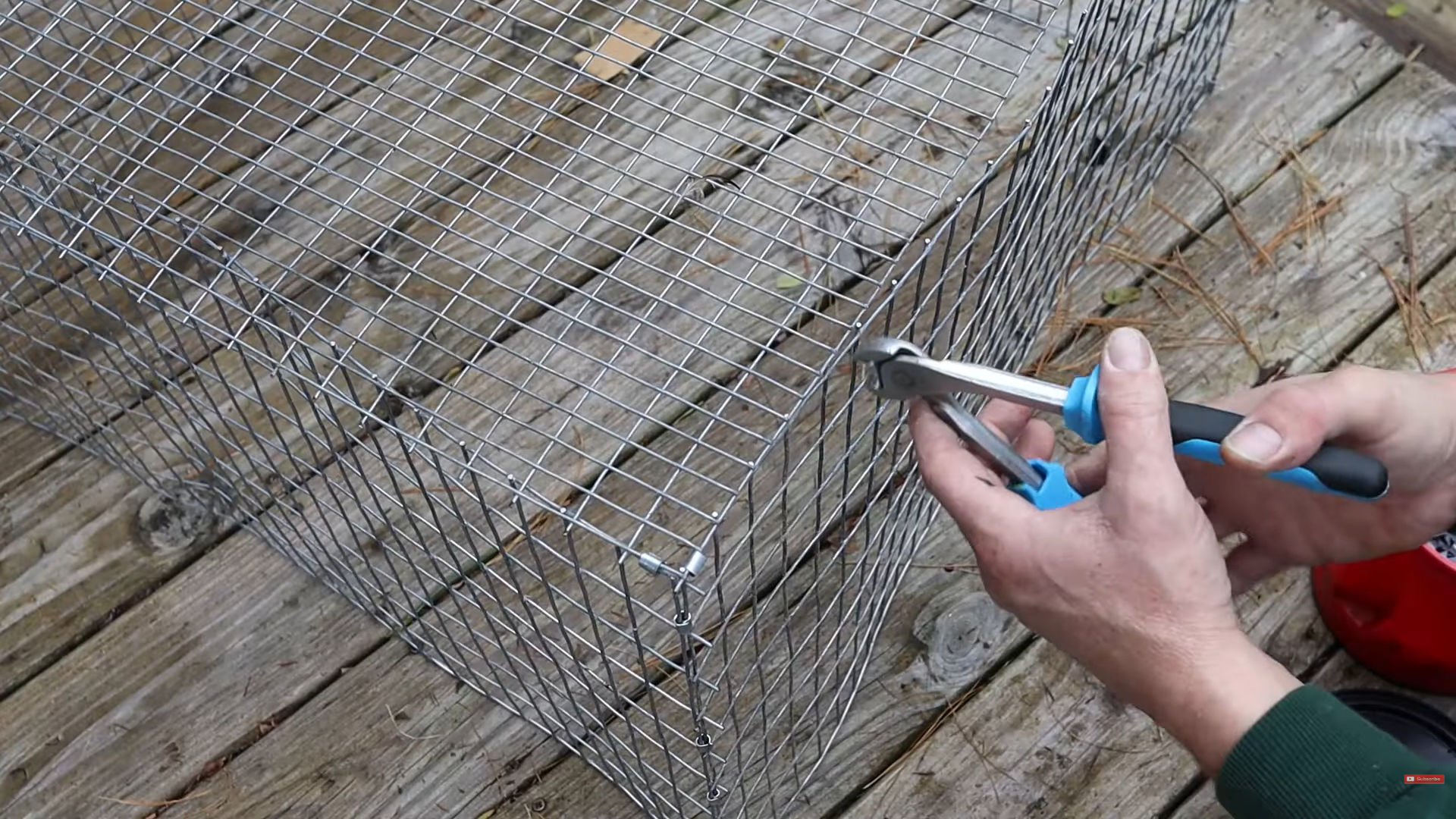
  • Start in a corner, not the middle

  • Work your way across evenly

This prevents the cage from pulling out of square.


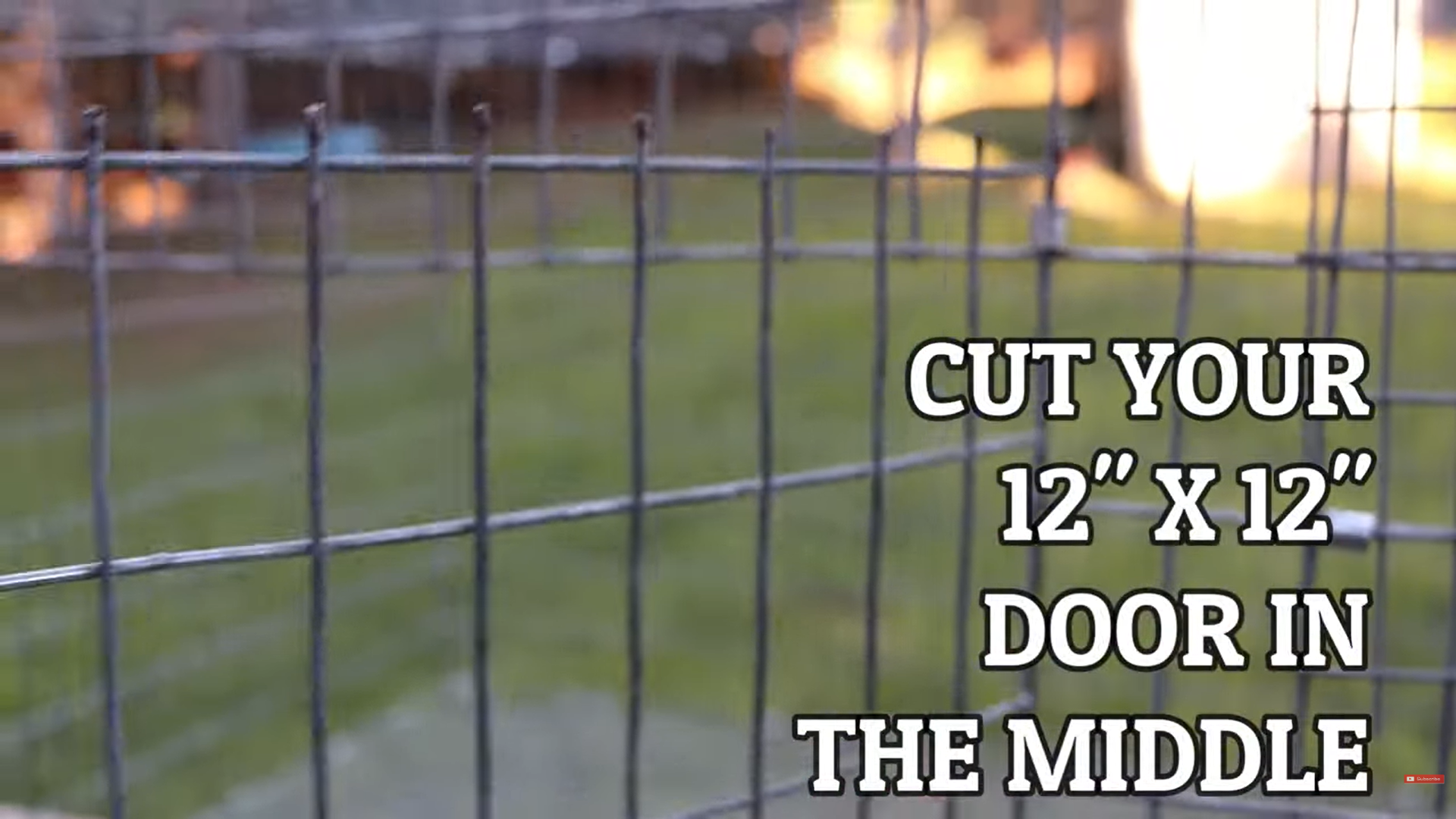
Step 5: Cut and Install the Door

We use hide boxes that are 11.5 inches square, so we cut:

  • 12-inch door opening

Door Rules

  • The door must be larger than the opening

  • It needs overlap on all sides so rabbits can’t push through

If the wire doesn’t line up perfectly, clamp it and make it work. These cages are very forgiving.


Step 6: Feeder and Water Openings

Feeder Opening
  • We use smaller J-feeders

  • Cut out 5 wire spaces

Water Bowl System

  • Cut 6 wire spaces

  • Remove about half the wire height

This prevents:

  • Kits pulling water bowls out

  • Kits jumping out of the cage


Mistakes Happen — Here’s How to Fix Them

If you cut the wrong section (it happens):

  • Use leftover cage wire

  • Patch the hole with J-clips

These small patch jobs are strong and perfectly safe. We’ve fixed plenty over the years.


Final Thoughts on Rabbit Cage Building

You can build cages by bending the sides down, which is faster and easier on tools. However, cutting each panel separately:

  • Produces a stronger cage

  • Gives better alignment

  • Results in a more professional build

It may cost you a few extra cutter wheels, but the end result is worth it.

If you’re serious about raising healthy rabbits and running a clean, efficient rabbitry, this cage design will serve you well for years.

Thanks for reading, and we’ll see you in the next guide.

AMAZON LINKS FOR PRODUCTS

1/2″x 1″ 14 gauge for bottom cage wire- [Online Catalog]

Cage wire for sides- https://amzn.to/329GWVT

1″x 2″x 36″ Top Cage wire- https://amzn.to/4qg3XjY

J-clips- https://amzn.to/38anYzB 

Pliers- https://amzn.to/2I7eHOi

J-clips and pliers- https://amzn.to/3bWUcSi 

Door latch- https://amzn.to/2wxJmlm 

2×4 Clamps https://amzn.to/2PA9Vgm 

Grinder- https://amzn.to/2uZgwty 

Battery- https://amzn.to/3afPjll 

End of Year Rabbitry Reset: Small Changes, Big Wins in the New Year

As we close out the year and look ahead to what’s next, this is the perfect time to slow down, reflect, and reset. Whether you’re listening to this while doing chores in the cold, planning your next breeding cycle, or simply thinking about where your rabbitry is headed, this moment matters.

This isn’t about doing more. It’s about doing better.

This end-of-year message is for anyone who feels behind, overwhelmed, or unsure if their rabbitry is really working the way they hoped it would. You’re not alone—and the good news is that small, intentional changes can make the biggest impact in the year ahead.


Winter Is for Thinking, Not Chasing

Winter gives us something rare: space to think.

In colder climates, breeding slows or stops. In warmer regions, production finally stabilizes after the heat. Either way, this season invites us to step back and look at the fundamentals:

  • Are your cages built to last in your climate?

  • Are your systems helping—or hurting—you?

  • Are your rabbits healthy, clean, and predictable?

  • Is your operation supporting your life, or running it?

Rabbitry success doesn’t come from trends, social media hype, or adding more animals. It comes from boring consistency, good systems, and honest evaluation.


The Biggest Mistake: Adding More Instead of Fixing What’s Broken

One of the most common traps rabbit keepers fall into is thinking the answer is:

  • More rabbits

  • More breeds

  • Bigger setups

  • Faster growth feeds

In reality, most rabbitries don’t need more—they need better systems.

If the foundation isn’t solid, adding animals only multiplies problems:

  • Poor records become chaos

  • Bad cages fail faster

  • Dirty watering systems lead to sick rabbits

  • Stress increases—for you and the animals

A better system creates:

  • Healthier rabbits

  • Better breeding results

  • Cleaner cages and water

  • Stronger customer trust

  • Less burnout


Build for Longevity (Not Convenience)

Cages, wire, and materials matter—especially where you live.

In humid or cold climates, budget cages often fail quickly. Once urine breaks through coated wire, rust spreads underneath, flakes off, and can even irritate your rabbits. Galvanized cage wire—especially 14-gauge for medium to large breeds—lasts longer, stays flatter, and stays cleaner.

This year, ask yourself:

  • What’s the weakest part of my setup?

  • What fails first every year?

  • What upgrade would reduce problems long-term?

You don’t have to replace everything at once. Even one cage per month adds up fast.


Clean Water = Healthy Rabbits

Many of the biggest health issues we see—digestive problems, poor growth, mysterious losses, weak litters—trace back to one thing:

Dirty watering systems.

Slimy tubes, neglected tanks, dirty bottles, and stagnant water create constant stress on your rabbits’ immune systems. Heat makes this worse. Freezing weather creates different challenges.

No season is perfect—but awareness and routine maintenance make all the difference.


Breeding Problems Are Usually Management Problems

One of the most common questions every year:

“Why won’t my doe breed?”

Most of the time, the answer isn’t genetics—it’s management:

  • Does bred too late

  • Overweight bucks

  • Poor timing

  • Lack of handling and inspection

  • Stress from heat or cold extremes

Healthy breeding comes from:

  • Starting does on time

  • Keeping animals in proper condition

  • Using experienced bucks when possible

  • Staying consistent with records

When rabbits are managed well, breeding becomes predictable instead of frustrating.


Stop Undervaluing Your Rabbits

Pricing rabbits is different everywhere—but one truth holds:

Lower prices do not build demand. Trust does.

Buyers want confidence. Breeders need accountability.

You build trust by:

  • Keeping records

  • Offering pedigrees

  • Being visible online

  • Showing consistency

  • Providing honest information

If you don’t value your work, no one else will.


The Power of Small, Repeatable Wins

Big goals often fail because they’re overwhelming. Small goals win because they’re repeatable.

Here are realistic ways to improve your rabbitry this year:

  • Replace one bad cage per month

  • Track one record consistently

  • Improve one system

  • Post once per week in one place

  • Cull intentionally

  • Clean one problem area thoroughly

Momentum comes from progress—not perfection.


Balance Is a System, Too

Many breeders burn out trying to do everything, all the time.

Sometimes the smartest decision isn’t pushing harder—it’s pulling back strategically:

  • Seasonal breeding

  • Scheduled processing days

  • Limiting winter/summer sales

  • Protecting family time

These aren’t failures. They’re management decisions.

A rabbitry should support your life—not consume it.


Going Into the New Year

As the new year begins, don’t let negativity or comparison steal your motivation.

Instead:

  • Write down what you want to improve

  • Be honest about what isn’t working

  • Commit to small changes

  • Stay consistent

  • Bet on yourself

There are people out there who want what you’re building—but they can’t support you if they don’t know you exist.

Have the courage to share your work, your process, and your voice.

This next year doesn’t need to be louder.

It needs to be better built.

Here’s to a strong finish, a clear reset, and the best year yet for your rabbitry.

Rabbitry Curriculum Online Courses

Affiliate Disclosure: Some links in this post are Amazon affiliate links. If you click a link and make a purchase, The Rabbitry Center may earn a small commission at no additional cost to you. We only recommend products we use or believe add value.

Watch the Full Rabbit Cage Build Videos (Both Methods Explained)

This blog post is built directly from two real cage build videos we filmed in the rabbitry. Together, they show both ways we build cages and explain why certain material choices matter depending on your setup.

Watching both videos will give you the full picture—from wire selection and layout to fast assembly and finishing details—and help you avoid common mistakes like sagging floors and poorly sized doors.


🎥 Video 1: Traditional Panel-by-Panel Rabbit Cage Build (Detailed Method)

This first video is the foundation for this blog post. It shows the slower, more deliberate method where each panel is cut separately before assembly.

In this video, you’ll see:

  • Why we prefer cages over colony raising for health, breeding control, and sales

  • How to choose galvanized wire instead of painted pet-store cages

  • Proper wire sizes for sides, tops, and floors

  • Why cage floor gauge is critical to prevent bowing and sagging

  • Cutting all four side panels, the top, and the floor separately

  • Assembling the cage with J-clips for a square, professional build

  • Door sizing for hide boxes and nesting boxes

  • How to patch mistakes if you cut the wrong section

👉 Build A Rabbit Cage In 30 Minutes Or Less

This method takes a little more time and uses more cutter wheels, but it produces an extremely solid, long-lasting cage.


🎥 Video 2: Faster Rabbit Cage Build Using Fold-Up Sides (Efficient Method)

The second video shows a faster build style that many people prefer once they’re comfortable working with cage wire.

In this video, you’ll learn:

  • Using 1″ x 1″ galvanized wire for sides and tops to help contain young kits

  • Laying out the ½” x 1″ cage floor bottom first to keep everything square

  • Cutting long side panels and folding them up instead of cutting each panel separately

  • How to assemble the cage quickly while still keeping it rigid

  • Proper door placement (centered and raised for hutch clearance)

  • Correct door sizing (12″ x 12″) for medium breeds like New Zealand rabbits

  • Installing hinges, latches, and final J-clips

  • How to avoid and fix saggy cage floors

👉HOW TO BUILD A RABBIT CAGE

This build method is ideal if you want to produce multiple cages efficiently while still maintaining strength and proper dimensions.


Why We Show Both Builds

Both cage build styles work. The key is understanding:

  • Wire quality and gauge matter more than speed

  • Cage floor bottoms must be strong enough to stay flat under load

  • Door size and placement affect daily usability

By watching both videos alongside this guide, you’ll be able to choose the method that fits your skill level, tools, and rabbitry goals—and build cages that stay solid for years.

Thanks for reading, and we’ll see you in the next guide.

Leave a Reply

Your email address will not be published. Required fields are marked *

This site uses Akismet to reduce spam. Learn how your comment data is processed.