
Selling Rabbits, Meat And Products Legally

- Description
- Curriculum
- FAQ
- Reviews
- Grade
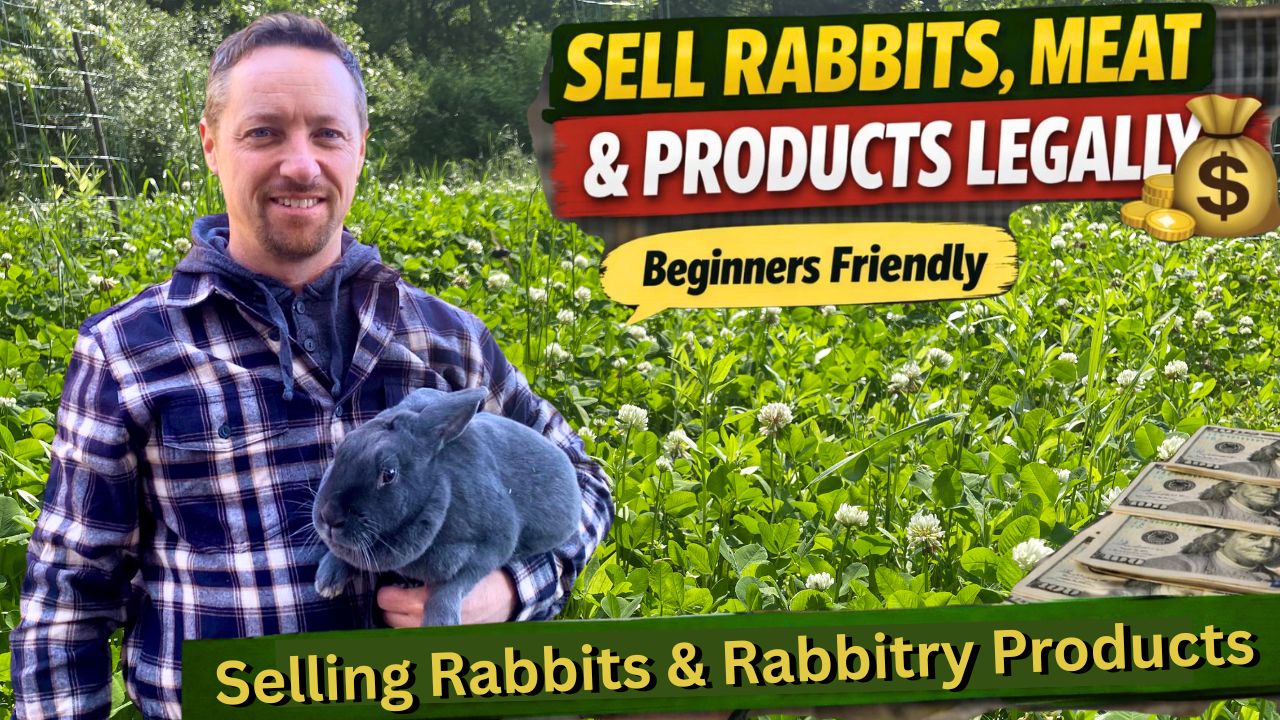
Selling Rabbits & Rabbitry Products
This course teaches you how to build a profitable rabbitry by maximizing value per animal — not just raising rabbits, but producing rabbits and products that sell.
Inside this course, you’ll learn:
• How to build and manage multiple purebred bloodlines
• Record keeping systems that support premium pricing
• Humane dispatch and meat quality control
• Legal pathways for selling rabbit meat in regulated states
• Professional processing and packaging methods
• Proper aging and storage techniques
• Value-added cuts and deboning strategies
• How to sell byproducts including hides, manure, ears, and more
• Step-by-step alum and salt hide tanning method
• Business positioning to charge premium prices confidently
This course is designed for serious producers who want structure, professionalism, and long-term sustainability in their rabbitry.
Whether you are selling breeding stock, meat, byproducts, or value-added products, this program provides the framework to operate responsibly, legally, and profitably.
Build it correctly.
Price it confidently.
Operate with integrity.
-
2
 Keep Records of Expenses & Earnings
If you’re selling rabbits and not keeping solid records… you’re guessing.
In this lesson, I’m going to show you exactly what paperwork and receipts you need to keep if you want to run your rabbitry like a real business.
We’re talking:
-
Purchase records
-
Breeding logs
-
Feed tracking
-
Expense reports
-
Sales documentation
-
Tax prep organization
This is the difference between hobby money and business income.
When you know your numbers, you know your margins.
And when you know your margins — you grow with confidence.Let’s get into it.
-
-
3
How to Sell Rabbits Consistently (Online & Locally)
In this lesson, we’re talking about what actually sells rabbits.
Do you really need social media?
Should you invest in a website?
Is posting flyers still worth it?
Should you accept credit cards?If you want consistent rabbit sales — not just random buyers — you need visibility and professionalism.
Let’s break down the tools that make the biggest difference.
-
4
Why Accepting Credit & Debit Cards Changes Everything
If you're still running your rabbitry as cash-only, you're leaving money on the table.
In this lesson, I’ll show you step-by-step how to use Square to send payment links directly to customers from your phone. Accepting credit and debit cards instantly removes friction, secures deposits fast, and positions your rabbitry as a legitimate business.
This is how you break the cash-only barrier and start operating at the next level.
-
5
How To Stop No-Call No-Shows
If you’re holding rabbits for people who never show up… you’re running a stressful business.
In this lesson, I’m going to show you how to stop the no-call, no-shows without being rude, pushy, or unprofessional.
We’ll talk about:
-
Taking free reservations to build leads
-
When to require a deposit
-
Why I collect $20 per rabbit
-
How deposits protect your time, your feed bill, and your availability list
This simple shift will eliminate most cancellations and instantly improve your rabbitry operations.
-
-
6
 Sales & Professional SystemsThis quiz evaluates your understanding of the key principles covered in the Sales & Professional Systems lessons. You’ll be tested on: Building visibility online and locally The role of websites and social media in modern rabbit sales Why accepting credit and debit cards increases conversions How deposits reduce no-call no-shows Creating professional systems that generate consistent income The goal of this quiz is not just memorization — it’s to ensure you understand how to move from hobby seller to structured business owner. If you can clearly explain why visibility, professionalism, and payment systems matter, you’re ready to implement these strategies in your own rabbitry. Take your time, think through each answer, and choose the option that best reflects the principles taught in this lesson.
-
7
What a Website Does for Your Rabbitry Business
If you’re serious about growing your rabbitry, a website isn’t optional anymore — it’s leverage.
In this lesson, I’m going to break down:
-
What an AdSense plugin is and how it can generate passive income
-
Why every rabbitry website needs an FAQ page
-
Why using only your cell phone for reservations will eventually overwhelm you
-
How to take reservations with or without a website
-
What to track, what to say, and how to stay organized
This lesson is about structure.
And structure is what separates a side hustle from a real business. -
-
8
Livestock Inventory & Selling Rabbits Using a System
In this lesson, I’m going to show you exactly how I create inventory, separate litters, mark bucks and does, and systematically sell out each group of rabbits without confusion.
You’ll learn:
-
How I use whiteboards and reservations to stay organized
-
How I showcase rabbits on my website with labels like A1, B2
-
How customers choose by texting back
-
How I schedule pickup and collect deposits by text link
-
When to remove rabbits from the availability page
-
And when tattoos make sense — and when they don’t
This is the system that keeps things clean, professional, and stress-free.
-
-
9
Selling Age, Grow-Out Performance & Processing Timing
In this lesson, we’re answering some of the most important questions in meat and breeding rabbit production:
-
When is the best age to process for tender meat?
-
When should you start selling young rabbits?
-
Should you process by weight or by age?
-
How do you calculate average grow-out performance?
-
Why does resting meat matter?
If you want consistent meat quality and predictable sales results, timing matters.
Let’s break it down.
-
-
10
Systems, Sales & Grow-Out Performance
-
11
The Dispatch Dilemma
One of the hardest parts of raising meat rabbits isn’t feeding them.
It isn’t breeding.
It isn’t record keeping.It’s dispatch day.
In this lesson, we’re talking about something many people experience but few admit:
They raise their rabbits…
They get ready to process…
And when the moment comes — they can’t do it.Some feel embarrassed.
Some feel like they failed.
Some quietly sell the rabbits or return them.If that’s you — you are not alone.
In this lesson, we’ll cover:
-
Why this happens so often
-
The emotional difference between buying meat and raising it
-
How to know whether it’s fear or conviction
-
What your options are if you truly can’t process
-
And how to approach dispatch day with clarity instead of shame
This is about mindset, maturity, and honesty — not judgment.
-
-
12
The Right Mindset for Raising and Processing Your Own Meat
If you’ve ever felt conflicted about dispatch day… this lesson is for you.
In today’s world, more and more families are waking up to how their food is processed. There are growth promotants like Ractopamine, chlorine rinses in poultry processing, and production methods that are banned in other countries but still permitted here under certain regulations. Even when something passes inspection, that doesn’t always mean it aligns with your personal values.
That’s one of the reasons people choose to raise their own livestock.
But here’s the part nobody talks about enough —
When you raise the animal yourself… dispatch day requires mental strength.Rabbits are gentle. They’re calm. They’re even cute.
And choosing to process them does not make you a bad person.
In this lesson, I’m going to walk you through:
-
Why people choose to take control of their food supply
-
The emotional reality of dispatch day
-
Why loving your livestock and harvesting them are not contradictions
-
Why processing on schedule matters (10–12 week fryers)
-
And how to mentally prepare yourself to do the job correctly and humanely
If you’re serious about raising meat rabbits the right way — this lesson will help you develop the mindset of a responsible livestock producer.
-
-
13
Different Ways To Humanely Dispatch Rabbits
In this lesson, we’re covering one of the most important responsibilities of raising meat rabbits: humane dispatch.
We’ll discuss:
-
Why a quick, clean dispatch matters
-
How stress and adrenaline affect meat quality
-
The importance of preserving glycogen for proper postmortem lactic acid development
-
Several humane methods including harvesting tools, broomstick, choke chain, ballista-style devices, pellet dispatch, and the bop-and-bleed method
This lesson is about respect — for the animal, for the meat, and for the responsibility we carry as producers.
-
-
14
Humane Dispatch, Stewardship & Producer Responsibility
-
15
Processing & Selling Rabbit Meat the Right Way
Before you sell a single pound of rabbit meat, you need to understand something:
Raising rabbits is farming.
Selling rabbit meat is food business.And food is regulated.
In this lesson, you’ll learn:
-
The difference between federal and state rabbit meat regulations
-
Why some states require licensed processing facilities
-
How Michigan handles commercial rabbit meat sales
-
Legal pathways like custom-exempt processing
-
Why “donation” or “gift” models don’t protect you
-
Alternative revenue streams like research programs and byproducts
-
What’s required on your packaging and labels
-
How to build pricing around compliance instead of fighting it
If you want to build a rabbitry that lasts — this is the foundation.
Let’s do it right.
-
-
16
Indoor Dispatch & Processing Setup (Garage System)
In this lesson, I’ll walk you through how I dispatch and process rabbits inside the garage using a clean, organized setup.
We’ll cover:
-
Setting up an indoor processing station for rainy days
-
The tools and supplies I keep within reach
-
How I control hair and mess
-
Cooling methods between rabbits
-
Why preparation keeps things efficient and professional
Having a simple indoor system allows you to work comfortably, stay organized, and maintain meat quality regardless of weather.
-
-
17
Processing A Rabbit Outdoors
In this lesson, I demonstrate a clean skinning and dressing method by hanging the rabbit head down and opening the hind quarters first.
You’ll see:
-
Where to make the initial cuts
-
How to pull the hide down cleanly
-
How to remove internal organs properly
-
How to preserve the hide in good condition
This method is efficient, controlled, and especially useful if you plan to keep or sell the hides.
-
-
18
Quartering Fresh Rabbits & Packaging for Maximum Capacity
In this lesson, I show you how to quarter a freshly processed rabbit — which handles differently than a chilled carcass — and then how to package both whole and cut-up rabbits for maximum refrigerator space and efficiency.
We’ll cover:
-
The difference between cutting fresh vs. chilled
-
Clean quartering technique
-
When to leave rabbits whole
-
How to package for maximum fridge capacity
-
How organization protects meat quality
This lesson is about efficiency, storage, and preparing your product like a professional.
-
-
19
How to Store, Age & Prepare Rabbit for the Best Flavor
In this lesson, we talk about something that makes or breaks your rabbit meat: storage, aging, and understanding rigor mortis.
I’ll share:
-
What rigor mortis is and how it affects tenderness
-
Why you shouldn’t cook rabbit immediately after processing
-
How proper aging improves flavor
-
Storage methods that protect texture
-
Mistakes I made early on — so you don’t repeat them
If you want your rabbit meat to taste terrific and keep customers coming back, this lesson is essential.
-
-
20
Individually Packaging Rabbit for Convenience & Premium Pricing
In this short lesson, I’m going to show you how to package rabbit meat for convenience — and profit.
Instead of only selling whole rabbits, you can break them down into:
-
Backstraps
-
Hind quarters
-
Front quarters
-
Organ meats
By packaging individually, you can:
-
Make rabbit more approachable for new customers
-
Offer sampler-style portions
-
Charge a premium price per cut
-
Offset processing and regulatory costs
Sometimes smaller, well-presented packages create bigger returns.
Let’s look at how to do it.
-
-
21
Deboning the Rabbit Hindquarter for Premium Cooking
In this lesson, I’ll show you how to carefully debone a rabbit hindquarter so it cooks more like a chicken breast — making it easier for home cooks and chefs to prepare familiar meals.
Rabbit hind legs aren’t shaped like chicken legs, so this process requires a little finesse as you work around the bone structure. Once you understand the anatomy and follow a clean technique, you’ll be able to create beautiful, boneless portions that are easier to cook, plate, and even sell at a premium.
Let’s walk through it step by step.
-
22
Legal Compliance, Processing, Packaging & Value-Added Techniques
-
23
Hides Are Hard Work
Rabbit Hides: Turning a Labor-Heavy Byproduct into Added Value
Rabbit hides are one of the most overlooked byproducts in a meat rabbit operation. They’re beautiful, functional, and marketable — but they require time, patience, and a system.
In this lesson, you’ll learn:
-
The different methods of tanning rabbit hides (salt curing, pickling, brain tanning, egg tanning, alum tanning, commercial kits, and more)
-
Why proper fleshing and preservation matter
-
How I prepare, freeze, store, trade, and even sell hides frozen
-
Why temperature matters here in Michigan
-
How to market hides through gifts, consignment shops, crafters, and trades
-
Why hides should be treated as a craft — not a quick payday
This lesson sets the stage for the two-part demonstration where I walk you step-by-step through my alum and salt tanning method.
-
-
24
Turning Hides Into Income: Preparing & Selling Rabbit Fur
In this lesson, we’re going to talk about how to properly handle, prepare, and sell rabbit hides for additional income.
Whether you’re raising rabbits for meat or breeding stock, the fur is a byproduct that should never go to waste. I’ll walk you through skin handling, basic preservation methods, market options, and realistic pricing expectations so you can turn every processed rabbit into a more profitable animal.
If you’re serious about maximizing your rabbitry’s revenue, this lesson will show you how to make the most of every part of the rabbit.
-
25
How To Make Rabbit Hides Part 1
In this lesson, we begin the fur tanning process starting with a frozen, rolled hide.
I’ll walk you through the soaking and pickling stage using water, salt, and alum to properly rehydrate and prepare the hide for membrane removal. This step is critical — rushing or skipping it can ruin your finished product.
You’ll learn how to safely soften the hide, identify when it’s ready to work, and begin removing the membrane by hand for a clean, professional result.
This is where quality begins.
-
26
How to Make Rabbit Hides Part 2
In this lesson, we continue the tanning process by removing the hide from the pickling solution to inspect, wash, stretch, and finish it.
You’ll see how to properly rinse and clean the hide, prepare it for drying, stretch the leather evenly, and achieve a clean white finished product.
This is where the transformation happens — from raw hide to finished fur.
-
27
🐇 Rabbit Hide Preparation & Tanning Quiz
-
28
Why Selling Byproducts Is the Secret to Rabbitry Profit
Most rabbit breeders focus on selling live rabbits.
But the real profit often comes from what gets overlooked.
In this short lesson, we talk about why byproducts matter — and how selling them can:
• Increase income on sales day
• Help offset feed costs
• Create additional shipping opportunities
• Turn “waste” into revenue
• Make each rabbit more valuableIf you want your rabbitry to move from hobby to profitable operation, understanding byproducts is a major step.
-
29
Manure
Rabbit manure is one of the easiest byproducts to turn into income from your rabbitry — and the best part? It requires very little processing compared to other livestock manure.
In this lesson, I show you:
• How I use two wheelbarrows and hardware cloth to quickly clean and screen manure
• How the manure naturally falls through the cage
• How I separate hay and debris for a clean product
• Simple ways to package manure in buckets or bags
• How to market it to gardeners
• The incredible soil benefits rabbit manure provides
• Why it’s considered “cold manure” and safe to use directlyIf you’re looking to increase profit without increasing workload, this is one of the easiest products you can offer from your rabbitry.
Manure Bags
Label Machine
Scale
-
30
Lucky Rabbit’s Foot
JINGLE BELL LINK https://amzn.to/2SiPSVS
BEAD CONNECTOR https://amzn.to/2Qb1Myl
BORAX https://amzn.to/2MFCw2j
In this lesson, I show you how to turn rabbit feet into simple, classic lucky keychains using a few affordable supplies.
We walk through:
• Proper cleaning using rubbing alcohol
• Preserving with borax
• Trimming and shaping the fur
• Attaching a jingle bell
• Finishing it as a clean, sellable keychainThis is a simple value-added product you can create from animals you’re already processing — turning a byproduct into something marketable and unique.
If you’re looking to increase income without raising more rabbits, this is a creative way to do it.
-
31
 Rabbit Ears: Two Methods
Rabbit ears are another valuable byproduct that can be turned into a sellable item when processed correctly.
In this lesson, you’ll learn two practical preservation methods:
• Freezing and dehydrating (fur on) for a natural-style product
• Boiling and removing fur for a clean chew-style finishWe also cover:
• Proper drying techniques
• Food safety considerations
• How to prepare ears for storage
• Packaging methods for shipping
• Tips to create a professional presentationIf you’re looking to maximize every part of the rabbit and increase your income without increasing your herd, this lesson walks you through exactly how to do it safely and efficiently.
-
32
Harvesting Tool
In this lesson, I show you how to build your own simple harvesting tool using rebar, angle iron, and a basic MIG welder.
We cover:
• Why every serious rabbitry should own one
• How it becomes an easy add-on sale when selling trios or breeding stock
• What materials to buy and where to get them
• How to cut and weld the pieces together
• Basic welding safety
• How to price and even ship themThis tool is simple to make, inexpensive to build, and a great way to add $20–$30 to a sale without selling another rabbit.
MIG WELDER- https://amzn.to/368HgYV
HELMET- https://amzn.to/3jdSgrC
GLOVES- https://amzn.to/2S5kGYY
Drill bit- https://amzn.to/3ij2VWf
Angle grinder https://amzn.to/3XBN5Gn
cutting wheels https://amzn.to/3GQMZVK
-
33
Chew Toy
How to Make Rabbit Chew Toys (Low-Cost Add-On Product)
In this lesson, I show you how to make simple, affordable rabbit chew toys using wire, crimpers, and natural materials from around your property.
We cover:
• The basic supplies you need
• How to assemble chew toys step-by-step
• Using free materials like willow, apple, or locust branches
• Adding Timothy sticks, blocks, or biscuits
• Cost breakdown per toy
• Smart pricing strategies
• How to turn chew toys into profitable add-on salesThese toys help prevent boredom, support dental health, and give you another easy product to sell on pickup day.
CRIMPERS https://amzn.to/3iPBYXF
CRIMPING TOOL https://amzn.to/2X2oYq8
SNIPS https://amzn.to/3arQ6lA
LANYARD HOOK https://amzn.to/3v0ONn1
APPLE CIRCLES https://amzn.to/3lpx3yu
TIMOTHY STICKS https://amzn.to/3aFcGHz
TIMOTHY BLOCKS https://amzn.to/3v1kWLm
5/32 DRILL BIT https://amzn.to/3FDupgz
GALVANIZED CAGE https://amzn.to/3Buczdj
-
34
Gambrel
In this lesson, I show you how to build a simple, durable small-game gambrel using affordable materials you can find at most hardware stores.
I walk you through every part you need, how to measure correctly, how to form strong loops, and how to crimp everything securely so it holds weight safely.
If you process rabbits, squirrels, or other small game, this is a tool you’ll use again and again — and once you know how to make one, you can build backups anytime for just a few dollars.
Simple. Strong. Practical.
Let’s build it.
We’ll use:
• Steel wire
• Wire sleeves
• Conduit- 1/2"x 10"
• Crimpers
• Grinder with grinding bladesChop Saw Drill Bits Electric Hoist
-
35
Hay Feeder
In this lesson, I show you how to build a simple wooden hay feeder using untreated common board and plywood.
This Hay feeder:
• Contains hay better than throwing it in the cage
• Reduces waste
• Gives rabbits something safe to chew
• Helps relieve boredom
• Is easy to repair
• Makes an excellent add-on product for sales dayWe’ll cover materials, measurements, assembly, spacing, and why wooden feeders can actually benefit your rabbits.
If you’re looking for another practical product to sell — this is a strong one.
Brad Stapler gun- https://amzn.to/48Emn5K
-
36
Apple/Pear Cuttings
In this lesson, I show you how to safely cut, store, package, and ship apple and pear tree branches as natural chew treats for rabbits and small pets.
We cover:
• When to cut branches
• How to select safe wood
• Proper trimming and sizing
• Preventing drying and discoloration
• Freezer storage for dormancy
• Simple, affordable packaging
• Shipping tips to avoid extra postal feesThese cuttings are extremely popular with rabbit, guinea pig, and gerbil owners — and they’re often sitting right in your yard.
If you have fruit trees, you may already have a profitable product growing outside your barn.
-
37
Fodder Trees
Before you package up a tree and drop it at the post office, there’s something most small growers never think about — agricultural law.
Shipping live trees across state lines isn’t just mailing a product. It’s participating in regulated agricultural commerce. Every state has its own nursery regulations, and federal rules apply when you cross state lines.
In this lesson, you’ll learn when a nursery license is required, why inspections matter, and how to legally ship trees without risking fines, shipment seizure, or account restrictions.
We’ll walk through:
• When you need to register as a nursery
• How inspections work
• What documentation must travel with your trees
• Why certain species have additional restrictions
• How to protect yourself and your customersIf you’re serious about selling trees — even on a small scale — doing it correctly from the beginning protects your business, builds credibility, and opens doors to larger opportunities.
This lesson will help you understand the legal side of tree shipping so you can grow responsibly and confidently.
-
38
Why Selling Byproducts Is the Secret to Rabbitry Profit
-
39
Marketing Your Rabbitry: Turning Quality Into Consistent Sales
You’ve learned how to build premium rabbits.
Now it’s time to make sure the right buyers see them.
In this marketing course, you’ll learn:
-
The four essentials every rabbitry website must have
-
How SEO (Search Engine Optimization) helps customers find you
-
WordPress basics — and when it makes sense to hire a pro
-
How YouTube and Facebook actually work (and what most breeders get wrong)
-
How to build a genuine audience — not fake followers
-
Video intros, hooks, thumbnails, and titles that convert
-
How to funnel sales from every post
-
How to avoid copyright strikes and protect your content
-
How to deal with online negativity and competitive noise
-
How to maximize ad revenue without sacrificing integrity
If the breeding course taught you how to produce quality…
This lesson teaches you how to sell it consistently.
-
-
40
Rabbitry Final Exam (25 Questions)
Selling Rabbits & Rabbitry Products
This is not a hobby course.
This is a complete blueprint for building a profitable, structured, and professional rabbitry.
Inside this program, you’ll learn how to:
• Build and manage multiple purebred bloodlines
• Keep breeding records that support long-term genetic improvement
• Use pedigrees to justify premium pricing
• Understand state regulations and sell legally
• Process rabbits cleanly and professionally
• Improve meat quality through proper dispatch and aging
• Package and present cuts for retail-friendly sales
• Debone and create value-added portions
• Monetize byproducts including manure, hides, ears, and more
• Tan rabbit hides using a proven alum and salt method
• Increase profit per rabbit instead of simply raising more rabbits
You’ll stop guessing.
You’ll stop underpricing.
You’ll stop operating casually.
Instead, you’ll learn how to think like a producer, build systems, and create multiple income streams from one animal.
Every rabbit should produce maximum value.
This course shows you how.
• Basic understanding of rabbit care and housing
• Willingness to keep records and operate with structure
• Access to basic processing tools (if harvesting for meat)
• Commitment to follow state and local regulations
• A mindset focused on long-term improvement and professionalism
No advanced experience required — but this course is designed for serious producers ready to operate intentionally.
• Rabbit breeders ready to charge premium prices
• Homesteaders who want to sell legally and responsibly
• Producers looking to maximize value per rabbit
• Anyone building a structured, income-producing rabbitry
• Farmers who want systems — not guesswork
This course is NOT for:
• Casual hobbyists with no interest in records or improvement
• Those looking for shortcuts or loopholes
• Anyone unwilling to operate within state regulations
If you’re serious about building a sustainable, professional rabbitry — this course is for you.