Advanced Rabbit Breeding Techniques

- Description
- Curriculum
- FAQ
- Reviews
- Grade

Breeding rabbits for profit isn’t about simply putting a buck and doe together and hoping for babies.
It’s about building a system.
In this course, you’ll learn how to develop a structured breeding program that produces consistent, high-quality rabbits that customers are willing to pay premium prices for. We focus on proven methods for selecting breeding stock, maintaining strong bloodlines, improving herd quality over time, and avoiding the common mistakes that cost new breeders money.
You’ll learn:
-
How to choose the right breeds and breeding stock
-
How to structure multiple bloodlines for long-term success
-
How to breed for type, temperament, and performance
-
Proper record keeping systems
-
Culling strategies that strengthen your herd
-
How to price and position rabbits for profit
-
How to build a rabbitry that generates consistent demand
This course combines practical rabbit breeding knowledge with real-world business strategy so you can build something sustainable — not just a hobby, but an income-producing operation.
Whether you’re raising rabbits for meat, breeding stock, show quality, or byproducts, this course gives you the blueprint to produce rabbits and products that sell.
-
1
 Cards & Pedigrees
 Learn how to use rabbit breeding cards to track bucks and does, prevent costly mistakes, and make informed breeding decisions. This lesson explains what to record, why it matters, and how proper record-keeping improves herd health, productivity, and long-term success in your rabbitry.
 -
2
Pedigree Software Options
Pedigree Software
Zoo Easy $72
https://www.zooeasyonline.com/login.php
Bunny Trails $65
http://www.bunnytrailssoftware.com/
Ever breed $50
https://everbreed.com/
Kintraks $Free
https://www.kintraks.com/
Global $20
https://www.globalpedigree.com
Evans $70
https://evans-software.com/
Other options:
Excel-Make your own
Google Sheets-Make your own
-
3
Tattooing A Rabbit
Learn why tattooing is essential for herd identification and record keeping, and see two common tattooing methods in action. This lesson explains how tattoos help track lineage, breeding performance, and offspring throughout your rabbitry.
-
4
Breeding The Best Rabbits
 Learn how to identify and breed the best rabbits for superior results. This lesson covers ideal rabbit shapes, key traits, and strategies to produce healthier, stronger, and more profitable offspring.
 -
5
 Breeding the best rabbitsTest your knowledge of rabbit breeding fundamentals, including selecting quality rabbits, improving your herd, and understanding key traits for meat and show stock.
-
6
Identifying Male vs. Female Rabbits
In this lesson, you’ll learn how to correctly identify whether a rabbit is male or female using safe, practical techniques that work for both young kits and adult rabbits. We’ll cover who should be checking sex, what physical traits to look for, when sexing can be done accurately, and where to position your hands and eyes to avoid mistakes. Correct sex identification is essential for preventing accidental litters, planning breeding programs, managing housing, and keeping peace in your rabbitry.
-
7
Rabbit Estrous Cycle
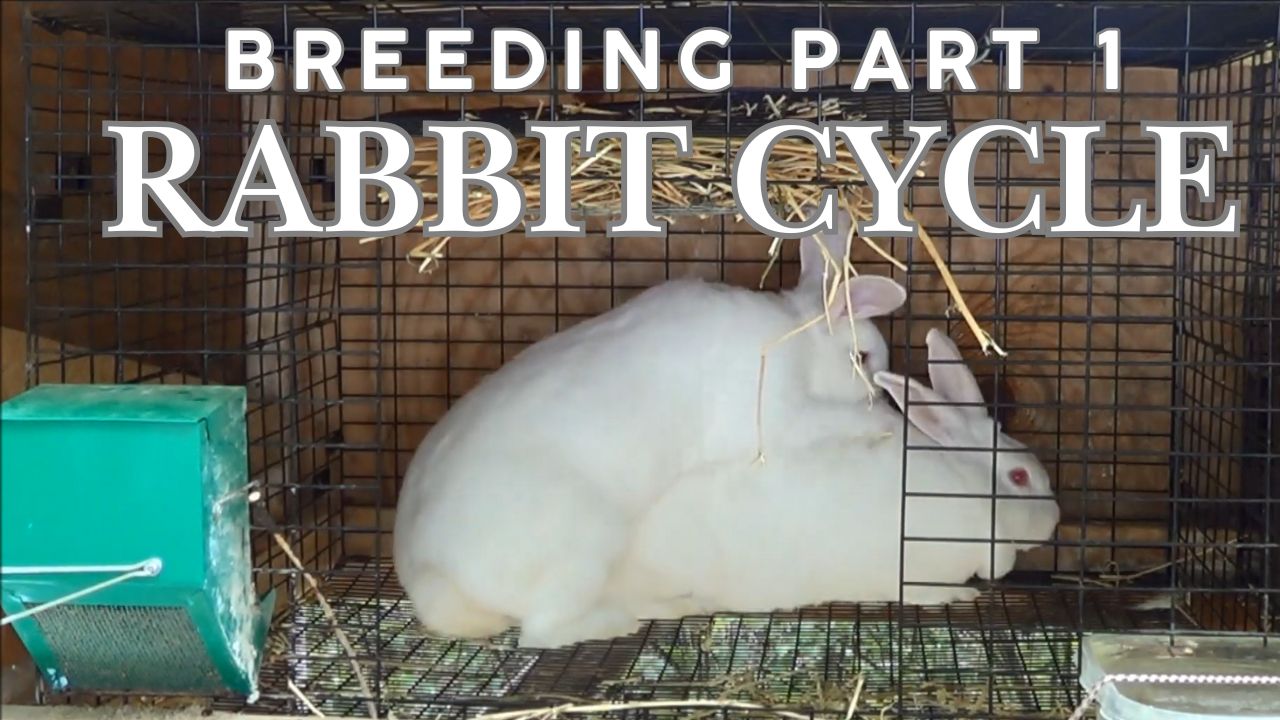
Female rabbits do not have a traditional heat cycle like many other livestock species. Instead, they are induced ovulators, meaning ovulation occurs as a result of breeding. Understanding how the rabbit estrous cycle works—and how to recognize when a doe is receptive—allows breeders to time breedings correctly, improve conception rates, and reduce stress on both the buck and the doe.
In this lesson, we’ll break down how the rabbit estrous cycle functions, what visual and behavioral signs to look for, how vent color changes indicate receptiveness, and when the best time to breed is for successful results.
-
8
Receptive Does
Identifying a Receptive Doe and Proper Breeding Timing
In this lesson, you will see a real-life demonstration of what a receptive rabbit vent looks like and how proper breeding should occur. Understanding when a doe is receptive is one of the most important skills in successful rabbit breeding. By learning to recognize vent color, swelling, and behavioral cues, breeders can time pairings correctly, improve conception rates, and reduce stress on both rabbits.
This video walks you through visual confirmation of estrous and shows what a correct breeding looks like, so you can confidently apply these skills in your own rabbitry.
-
9
Breeding Meat Rabbits for Consistent Production
In this lesson, we cover proven management practices for breeding meat rabbits efficiently and responsibly. You’ll learn why timely weaning, structured rebreeding schedules, and consistent routines are critical for maintaining productive does and preventing breeding setbacks. This lesson explains how weaning by six weeks and rebreeding at four weeks helps keep does cycling, supports steady fryer production, and prevents behavioral and hormonal issues that can interfere with long-term success.
This video focuses on practical systems that keep a meat rabbit operation productive, predictable, and sustainable.
-
10
Meat Rabbit Breeding BasicsCheck your understanding of key rabbit breeding practices! This quiz covers receptive signs, breeding timing, doe management, and best practices to keep your meat rabbits healthy and productive.
-
11
Advanced Tactics for Encouraging Rabbit Breeding

In this lesson, we explore advanced, situational breeding tactics used by experienced rabbit breeders to encourage reluctant or inconsistent rabbits to breed. These techniques are designed for times when standard breeding methods are unsuccessful. You will learn how environmental changes, controlled stress, strategic cage placement, breeder rotation, and hands-on techniques can help stimulate receptiveness and improve breeding success—while still prioritizing animal welfare and safety.
This lesson is intended for experienced breeders and should be used thoughtfully and responsibly.
-
12
Breeding Rabbits In The Winter
Breeding rabbits during the winter months requires thoughtful management to maintain fertility and protect rabbit health. In this lesson, we discuss how cold weather, reduced daylight, and increased energy demands affect breeding success, and how proper nutrition, hydration, lighting, and housing can help your rabbits continue to breed productively throughout the winter.
-
13
Artificial Insemination (A.I.) in Rabbits
Artificial insemination is an advanced breeding technique used to improve genetics, manage difficult breeders, and increase efficiency in a rabbitry. In this lesson, we discuss when and why artificial insemination may be used, the equipment required, proper semen collection and handling, doe preparation, insemination timing, and post-breeding management. This lesson is intended for experienced breeders who want to expand their breeding toolkit while maintaining animal welfare and productivity.
-
14
Advanced Rabbit Breeding & Artificial InseminationAdvanced Rabbit Breeding & Artificial Insemination
-
15
Why Breeding Blindly Causes Problems & the Importance of Timing

In this lesson, we examine what happens inside a doe’s reproductive system when rabbits are bred again just days after a successful breeding—without confirming pregnancy or receptiveness. You will learn how a rabbit’s uterine horns function, how embryos implant and develop, and why breeding a doe again 7 days later can disrupt early pregnancy and increase the risk of embryo loss or stillborn kits.
This lesson explains why breeders should avoid “blind breeding” and instead wait for clear signs of receptiveness and confirmation methods such as palpation. Understanding these internal processes will help you make informed breeding decisions and protect the health of both the doe and her litter. This lesson serves as the foundation for the next video, where we demonstrate how to properly palpate a rabbit.
-
16
How To Palpate a Rabbit
Palpation and proper nest box timing are two critical skills every rabbit breeder should master. Together, they allow you to confirm pregnancy early, plan your breeding program efficiently, and ensure that the doe has everything she needs to kindle safely and comfortably.
When done correctly, palpation is gentle, quick, and non-invasive. Nest box management, when timed properly, helps prevent kit loss due to exposure, poor nesting, or premature box use as a litter box.
-
17
A Tunnel-Based Hutch System for Breeding Rabbits in Hot and Cold Weather
In this lesson, we take a close look at a non-traditional rabbit hutch design that allows rabbits to breed successfully through both hot summers and cold winters. You’ll learn how an underground-style tunnel system connected to an insulated tote creates a more stable microclimate, helping rabbits regulate body temperature naturally while still allowing for exercise, nesting, and productivity.
This lesson explains how this setup improves quality of life, reduces seasonal breeding stress, and supports consistent litter production across a wide range of climates. While not a conventional system, it demonstrates how thoughtful design can balance animal welfare with practical breeding goals.
-
18
Breeding Timing & Early Pregnancy in RabbitsThis quiz reinforces the key concepts covered in the lesson on breeding timing and early pregnancy in rabbits. It is designed to ensure students understand why breeding blindly—especially breeding a doe again around 7 days after a successful breeding—can disrupt embryo implantation and increase the risk of stillborn kits. Students will be tested on uterine horn function, early embryo development, the importance of vent color, and the role of palpation in responsible breeding management. Mastery of this material helps prevent avoidable losses and prepares students for the next lesson, where proper palpation techniques are demonstrated.
-
19
Raising Newborn Rabbit Kits
In this lesson, you’ll learn how to care for newborn rabbit kits during their most critical early days to ensure survival, healthy growth, and proper development. We’ll cover:
-
Safe Kindling Practices: How to use insulated kindling totes to protect kits from extreme temperatures while keeping them comfortable and secure.
-
The First 10 Days: Essential monitoring tips to ensure kits thrive, including how to gently encourage eye-opening if needed.
-
Transitioning to Grow-Out Cages: When and how to move kits to larger cages for easier handling, better health monitoring, and preparation for sale or weaning.
-
Mother Rabbit Breeding Schedule: How timing your doe’s next breeding at four weeks post-kindling promotes her health and maximizes reproductive efficiency.
By the end of this lesson, you’ll have a step-by-step system for raising healthy kits while supporting the wellbeing of the mother rabbit—a foundation for a productive and safe rabbitry.
-
-
20
Weaning Baby Rabbits

In this lesson, we’ll cover the crucial process of weaning your kits from their mother’s milk to solid food—a key step to ensure healthy growth and prepare them for sale.
You’ll learn:
-
When and how to introduce solid food so your kits transition smoothly.
-
Techniques for a gradual shift from milk to pellets and hay while keeping kits hydrated and well-nourished.
-
How to monitor growth and health, ensuring your kits thrive during this critical stage.
-
The importance of socialization and sibling interaction to support happy, well-adjusted rabbits.
-
Gender separation tips to prevent early breeding and maintain a healthy herd.
-
Our proven system, including the use of insulated kindling totes, grow-out cages, and a strategic breeding schedule, to keep kits safe, healthy, and ready for the next stage.
By the end of this lesson, you’ll know exactly how to wean your kits confidently and efficiently, giving them the best start for long-term health and productivity.
-
-
21
Weaning Rabbits the Right Way: Timing, Technique, and Healthy Transitions
In this lesson, you’ll learn when and how to properly wean rabbit kits to protect the doe’s health, support strong immune systems, and keep your rabbitry running smoothly. Bobby walks through real-world weaning methods, feeding adjustments, and common mistakes to avoid. -
22
Raising Newborn KitsTest your knowledge of newborn rabbit care with this 5-question quiz! Learn about the importance of kindling totes, the first 10 days of kit development, moving kits to grow-out cages, eye-opening care, and the ideal time to rebreed the mother. Perfect for backyard rabbitry enthusiasts and anyone wanting to ensure healthy, thriving kits.
-
23
Linebreeding in Rabbits: Building Strong Bloodlines Without Losing Vigor
In this lesson, you’ll learn how linebreeding works in rabbit breeding and how experienced breeders use it to strengthen desirable traits while maintaining healthy, productive animals. We’ll break down what linebreeding really is, how it differs from inbreeding, and how to apply it responsibly in your own breeding program. By the end of this lesson, you’ll understand how to build consistent bloodlines, avoid genetic problems, and know when—and why—to introduce new genetics.
-
24
The Balanced Trio System: Monthly Rabbit Production Without Burnout
In this lesson, we’ll talk about balance—how to avoid overfeeding, overbreeding, and burning yourself out when starting a rabbitry. You’ll learn how to run a simple one-buck, two-doe trio on a rotating schedule that provides consistent rabbits every 30 days. We’ll also cover how linebreeding fits into this system, how genetic percentages work, and how to steadily improve your herd without constantly buying new rabbits. This lesson breaks down a proven, repeatable system that works for beginners and scales easily as your rabbitry grows.
-
25
Building a 1,000-Pound Rabbit Meat Production From Just Four Rabbits
In this lesson, you’ll learn how to scale a rabbitry into a 1,000+ pound annual meat production starting with only four rabbits — two bucks and two does. We’ll walk through timing, breeding strategy, line-breeding basics, cage planning, and how to create both meat and sellable breeding stock along the way. This is not a beginner system, but for those ready to build serious production, it’s efficient, affordable, and proven.
-
26
The Three-Line Rotational Breeding System
In this lesson you'll learn one of the most reliable breeding systems used in livestock production for decades: three-line rotational breeding. Cattle, sheep, and other livestock breeders have used this system for generations to maintain strong genetics while avoiding close inbreeding.
You'll learn how this same concept can be applied to rabbits using just six foundation rabbits and a simple twelve-cage rabbitry setup.
We'll walk through how to establish your bloodlines, how to rotate your breeding pairs each generation, and how this system allows you to maintain healthy genetics while producing breeding stock that customers value.
By the end of this lesson, you'll understand how a small rabbitry can operate for many years using a simple and manageable breeding rotation.
-
27
Forced Mating for Non-Lifting Does
In this lesson, you’ll learn the tabletop method, a safe and reliable technique to breed does that won’t lift naturally. This is especially useful for older rabbits, non-lifting does, or time-sensitive breeding goals. You’ll learn the step-by-step process, proper handling, and how to ensure successful breeding every ti
-
28
Build a Rabbitry That Lasts: Line Breeding, Hybrid Vigor & Seasonal Strategy
Are you ready to take your rabbitry to the next level? In this final lesson, you’ll learn how to put it all together building a predictable, productive, and sustainable breeding system that keeps your herd healthy and your litters consistent. We’ll cover line breeding to lock in desirable traits, how to balance it with genetic diversity to protect fertility, and the truth about hybrid vigor — why it works in the first generation but doesn’t last without a plan. You’ll also discover how to adapt your breeding schedule to your climate, so your rabbits stay productive and healthy year-round. By the end, you’ll know exactly how to structure your rabbitry for long-term success.
-
29
Rabbit Bloodlines, Breeding Strategies, and Herd Buildinghis 10-question quiz tests your understanding of rabbit bloodlines and breeding strategy, including crossing vs. line breeding, how to start with a trio, how to build a productive herd starting with four rabbits, and responsible use of the rubber band (forced breeding) method. You’ll also review key management concepts—like the biggest risk of line breeding if it isn’t managed carefully: genetic defects or inbreeding depression—so you can make breeding decisions that protect herd health and improve results over time.
-
30
Congratulations & What Comes Next
You’ve reached the final lesson of the Rabbit Breeding Course. In this video, we’ll reflect on what you’ve accomplished, prepare you for the final exam and certification, and give you a preview of what’s coming next for those who want to turn their rabbitry into something more.
-
31
Rabbit Breeding Mastery Final Exahttps://therabbitrycenter.com/user-account/edit-course/7724/settingsmTest your knowledge and skills in rabbit breeding with this comprehensive final exam from The Rabbitry Center. This 20-question multiple-choice test covers everything from genetics and bloodlines to breeding techniques, reproductive health, and kit care. Successfully completing this exam demonstrates your mastery of best practices in rabbit breeding and earns you a Certificate of Completion, certifying you as a knowledgeable and responsible rabbit breeder.
This course teaches you how to build, structure, and manage a rabbit breeding program that produces high-quality rabbits and consistent income. You’ll learn breeding systems, record keeping, bloodline management, culling strategies, pricing, and how to position your rabbits as a premium product in the marketplace.
To get the most out of this course, students should:
-
Have an interest in raising rabbits for profit or production
-
Be willing to implement structured record keeping
-
Have access to basic rabbit housing (or plans to build it)
-
Be prepared to think long-term about herd improvement
-
Have internet access to stream video lessons
No prior rabbit breeding experience is required — but commitment to learning and applying the system is essential.
-
Beginner rabbit breeders who want to start correctly
-
Homesteaders looking to add a profitable livestock stream
-
Existing breeders who want to improve herd quality
-
Families wanting to build a small agricultural business
-
4-H or show families wanting to strengthen bloodlines
-
Meat rabbit producers who want better structure and consistency
-
Entrepreneurs looking for a low-overhead livestock business
This course is not for:
-
People looking for a “get rich quick” livestock scheme
-
Breeders unwilling to cull or improve their herd
-
Hobbyists who are not interested in structured improvement