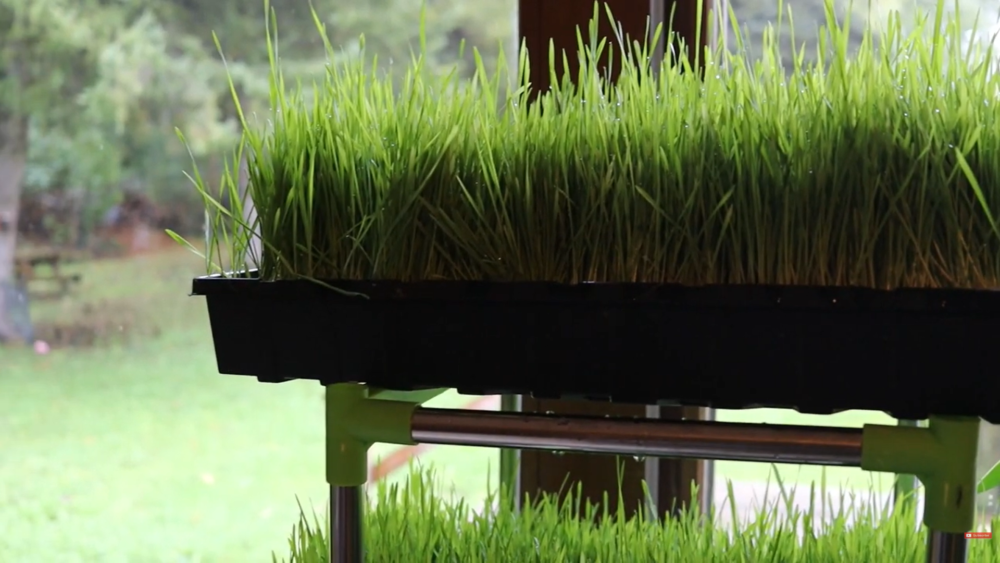
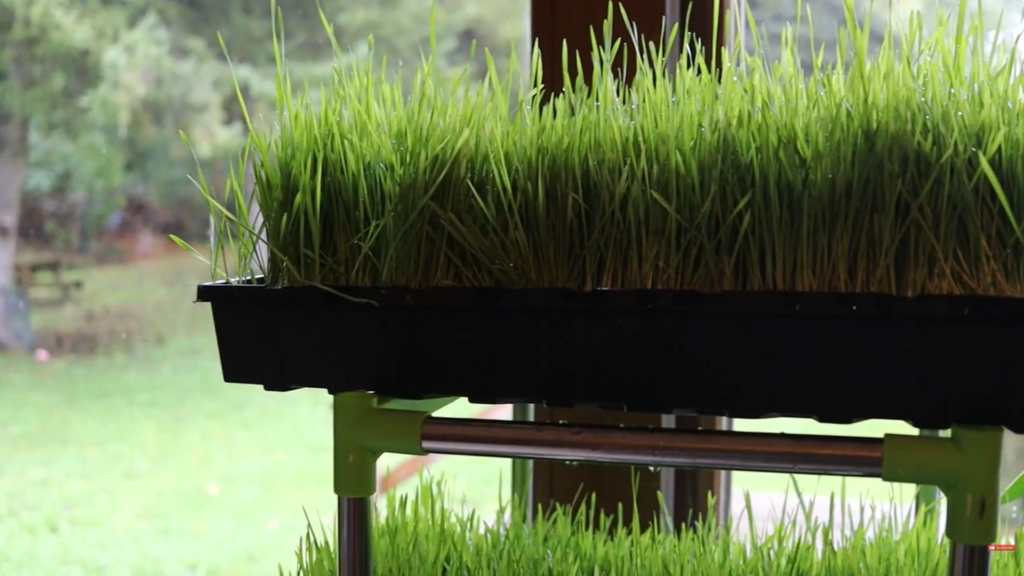
Growing your own fodder is one of the simplest and most cost-effective ways to improve nutrition for rabbits, chickens, and other livestock. With just grain, water, and a basic tray system, you can turn a small amount of seed into a large volume of fresh, nutrient-dense feed in under a week.
In this guide, we’ll walk through what fodder is, how to grow it without mold, and the two systems we personally use—an indoor system and an outdoor system—so you can choose what works best for your climate, space, and routine.
What Is Fodder?
Fodder is sprouted cereal grain grown specifically to feed domesticated animals. Instead of harvesting grain at maturity, fodder is fed when the plant is young—usually between 4 and 8 days old—when nutrient availability is high and the feed is easy to digest.
Common fodder grains include:
Barley
Wheat (red wheat or winter wheat)
Wheatgrass
Fodder can be fed to rabbits, chickens, sheep, goats, and other livestock. When grown correctly, animals consume the entire mat—shoots, roots, and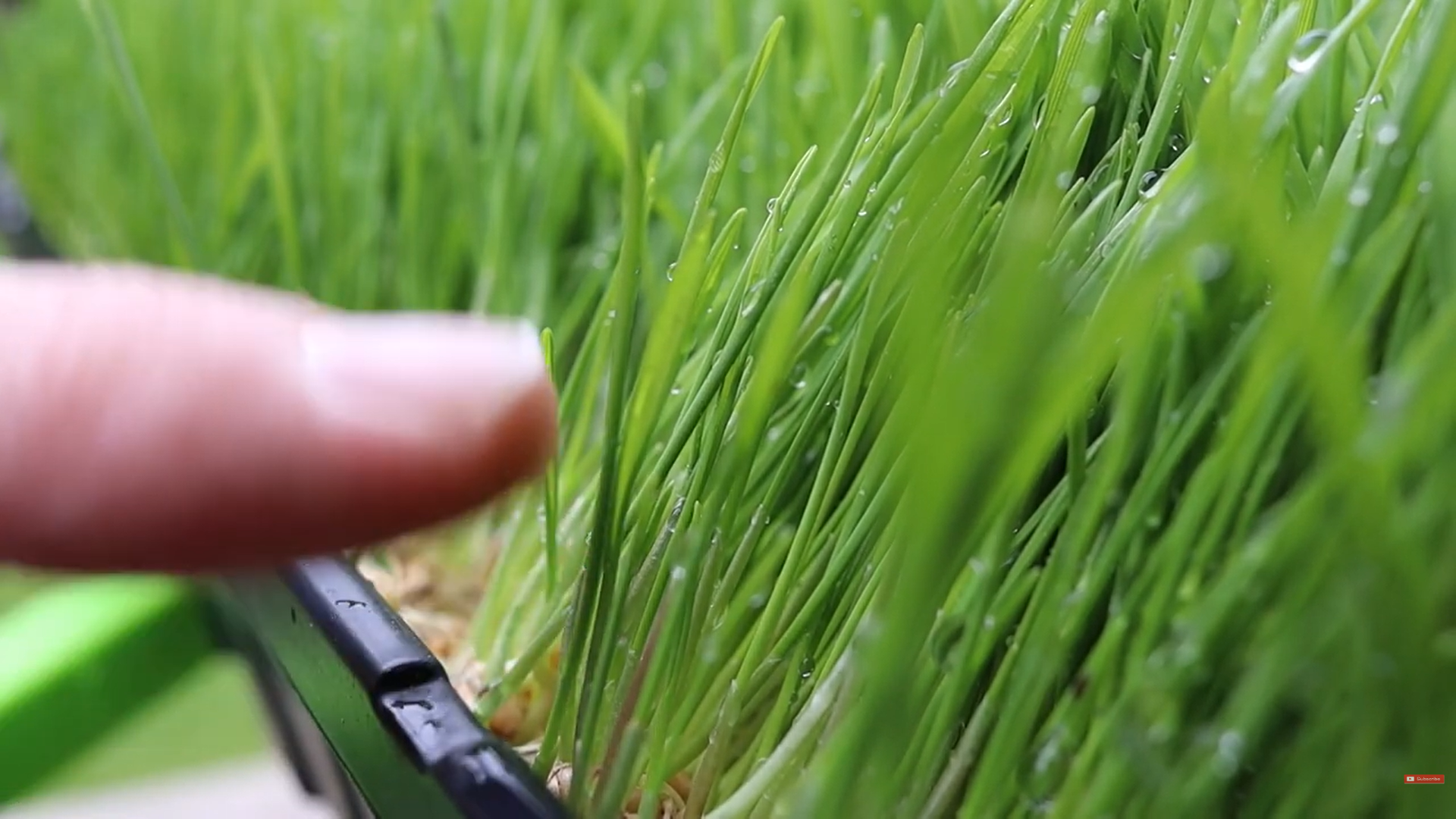 remaining seed—making it a very efficient feed source.
“Fresh wheat grass fodder grown for rabbits and chickens”
Why Grow Fodder for Rabbits and Chickens?
There are several reasons fodder has become a staple in our feeding program:
Converts a small amount of seed into a much larger amount of feed
Provides fresh, living nutrition year-round
Can be grown indoors during winter
Reduces reliance on bagged feed
Easy to scale up or down
With a simple rotation system, you can turn a couple pounds of seed into 15–20 pounds of feed every week.
Barley Grass vs Wheatgrass: What’s the Difference?
Both barley and wheat grow easily as fodder, but they behave slightly differently.
Barley grass tends to grow bushier and denser
Wheatgrass grows straighter and slightly taller
Both are excellent feed options. We’ve grown red wheat, winter wheat, wheatgrass, and barley with good results.
Typical harvest times: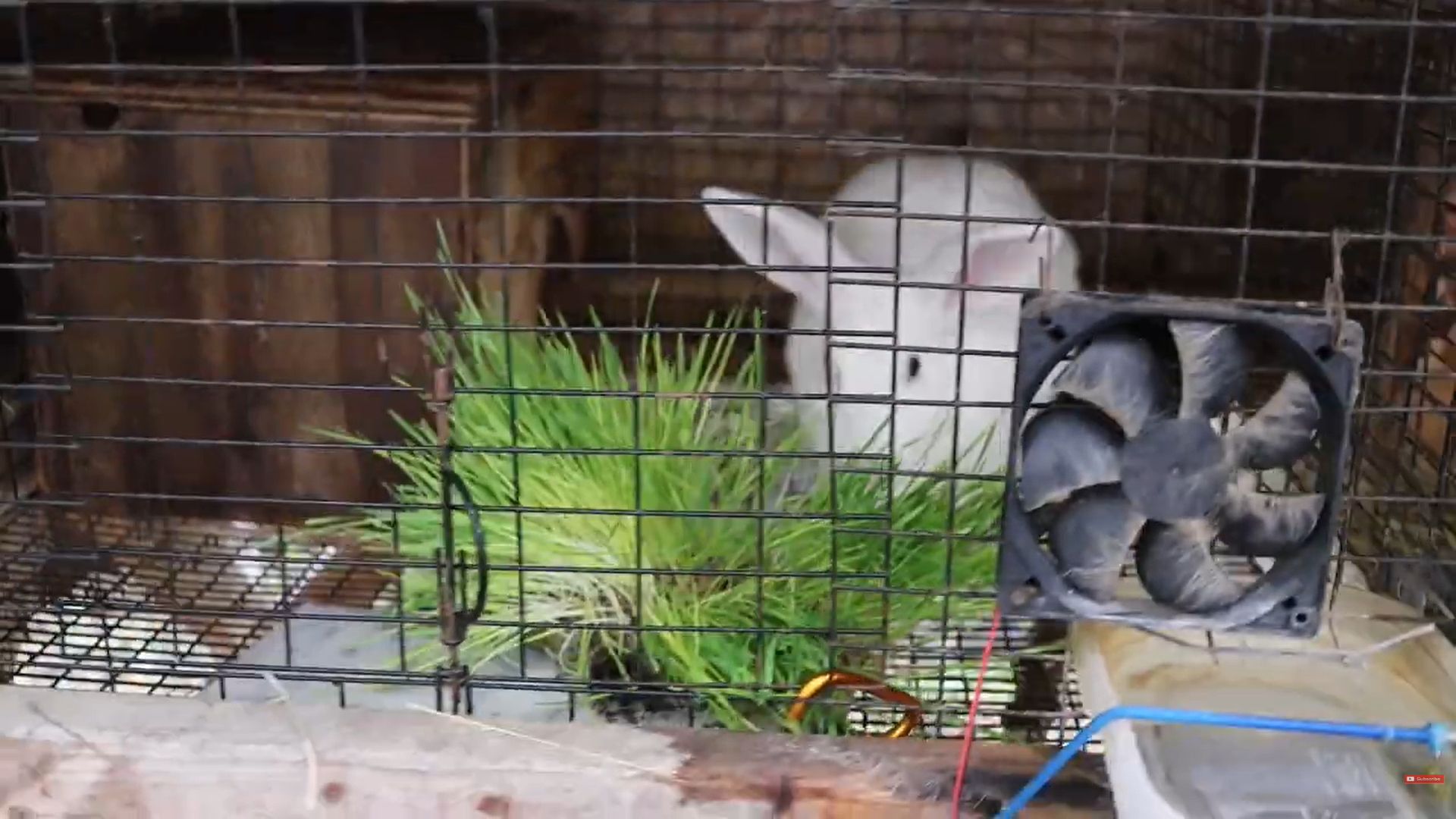
Chickens: around Day 4
Rabbits: around Day 7–8
Two Proven Ways to Grow Fodder: Indoor & Outdoor Systems
There is no single “best” fodder system. Climate, seasons, and available space all matter. That’s why we use two different systems throughout the year.
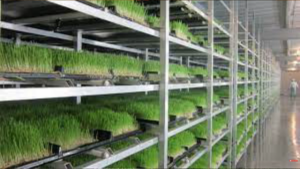
Indoor Fodder System (Best for Winter & Cold Climates)
Our indoor fodder system allows us to grow feed regardless of outside temperatures, making it ideal for winter and cold climates.
This setup works well in:
Laundry rooms
Basements
Utility rooms
Any clean indoor space that stays 60–70°F
🎥 Watch the Indoor Fodder Video
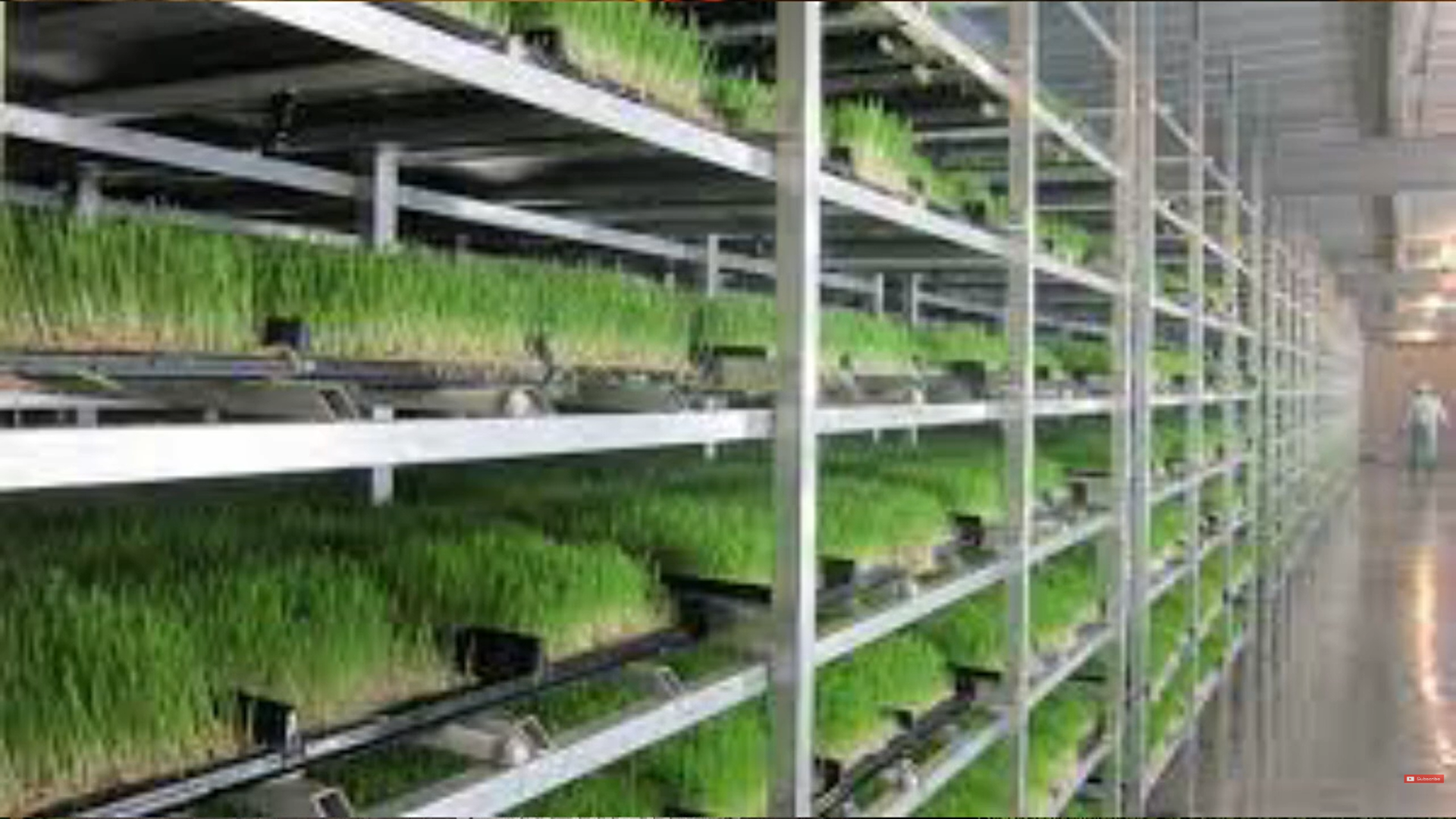
“Indoor fodder growing system for rabbits”
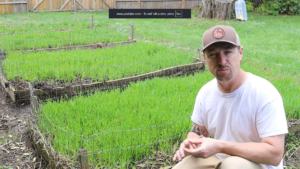
Outdoor Fodder System (Best for Warm Weather & Higher Volume)
The outdoor fodder system shines during spring, summer, and early fall. With proper airflow and drainage, outdoor fodder grows quickly and reduces indoor humidity concerns.
Outdoor systems work well when:
Temperatures are consistently above freezing
You want to scale production
You prefer natural airflow
🎥 Watch the Outdoor Feed & Fodder Video
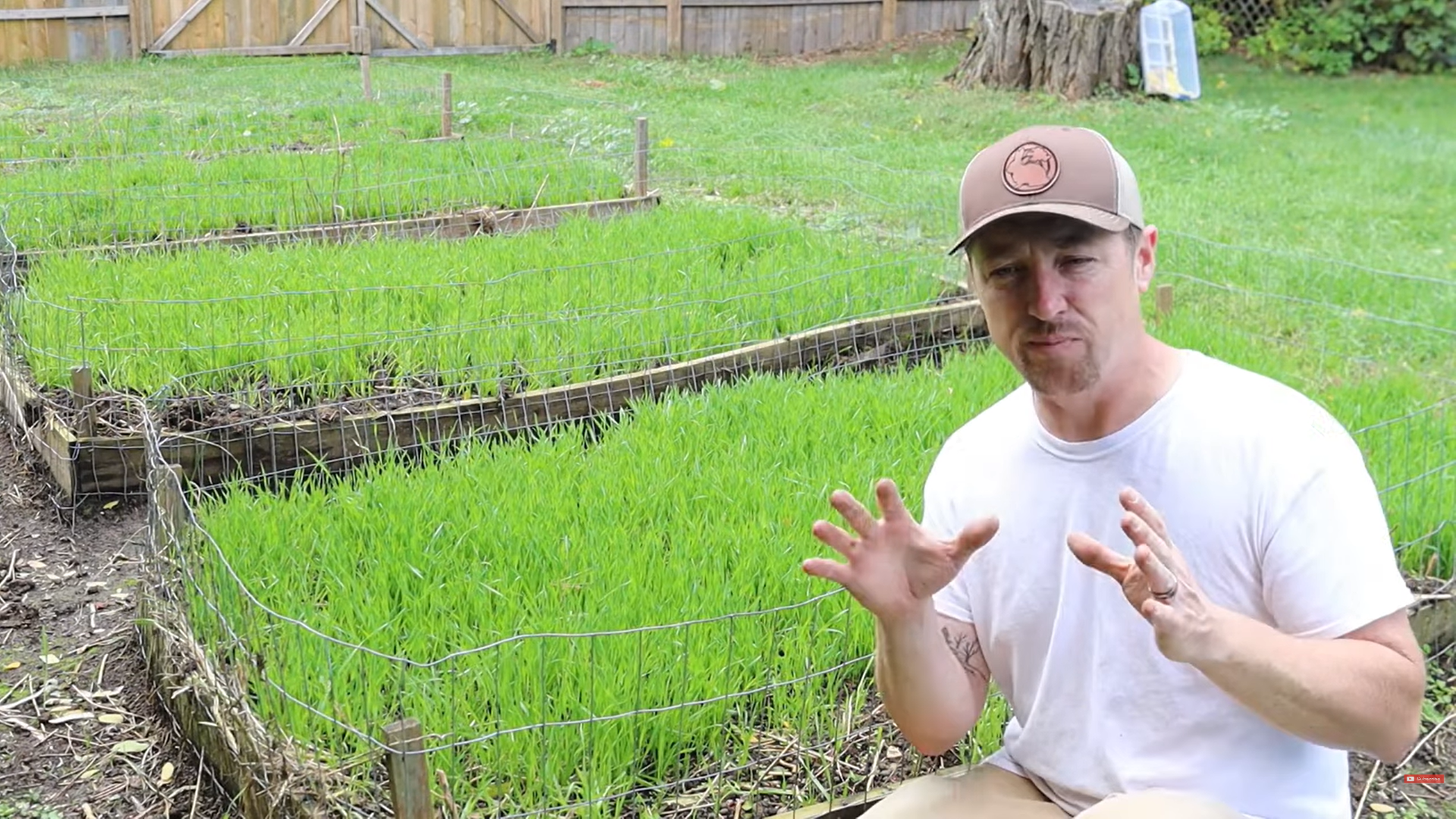
“Outdoor fodder system for livestock feed”
What You Need to Grow Fodder (Simple Setup)
You don’t need expensive equipment to grow fodder. It can be grown outside or in trays, buckets, or even Tupperware containers.
Basic Supplies:
Barley or wheat seed
Water
Shallow trays with drainage holes
Paper towels
Optional humidity dome
Warm, clean growing area
Light is helpful but not critical. Placing trays near a window provides enough light for healthy green growth.
“Supplies needed to grow fodder indoors”
WHEAT GRASS SEED- https://amzn.to/3DR4TmA
FODDER TRAY KIT- https://amzn.to/3oI8Q6M
FODDER TRAYS- https://amzn.to/3DM2n1i
SHALLOW TRAYS- https://amzn.to/3kYsydt
TRAY DOMES- https://amzn.to/3nBNJ6S
STRAINER- https://amzn.to/3qXUqSR
SHELF W/ GROW LIGHTS- https://amzn.to/3Fw1Mks
FODDER SHELFS- https://amzn.to/32mNN2l
Step-by-Step: How to Grow Fodder Without Mold
Preventing mold is the most important part of growing fodder. The keys are clean seed, good drainage, and controlled moisture.
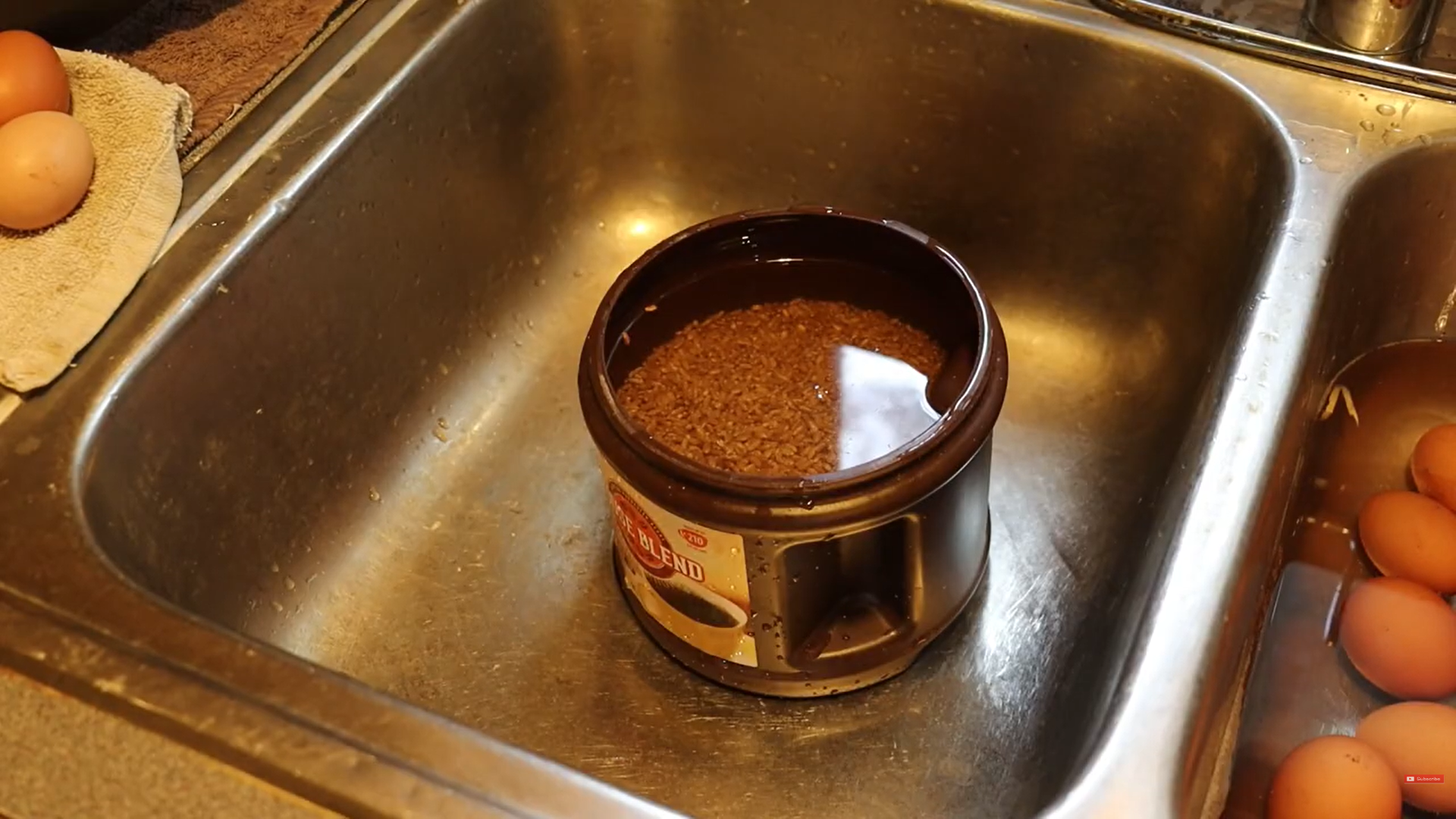
Step 1: Soak the Seeds (12–24 Hours)
Soak 2–3 cups of seed per tray in water for 12–24 hours.
To prevent mold:
Add 2 capfuls of bleach(or vinegar) to the soaking water
Stir the seeds well
After soaking:
Drain completely
Rinse seeds thoroughly with clean water
This step kills mold spores and bacteria before sprouting begins.
“Soaking wheat seeds for fodder growth”
Step 2: Prepare the Trays
Drill drainage holes at the lowest point of each tray
If trays are tilted, rotate them daily so grass grows evenly
Make sure all water can drain freely
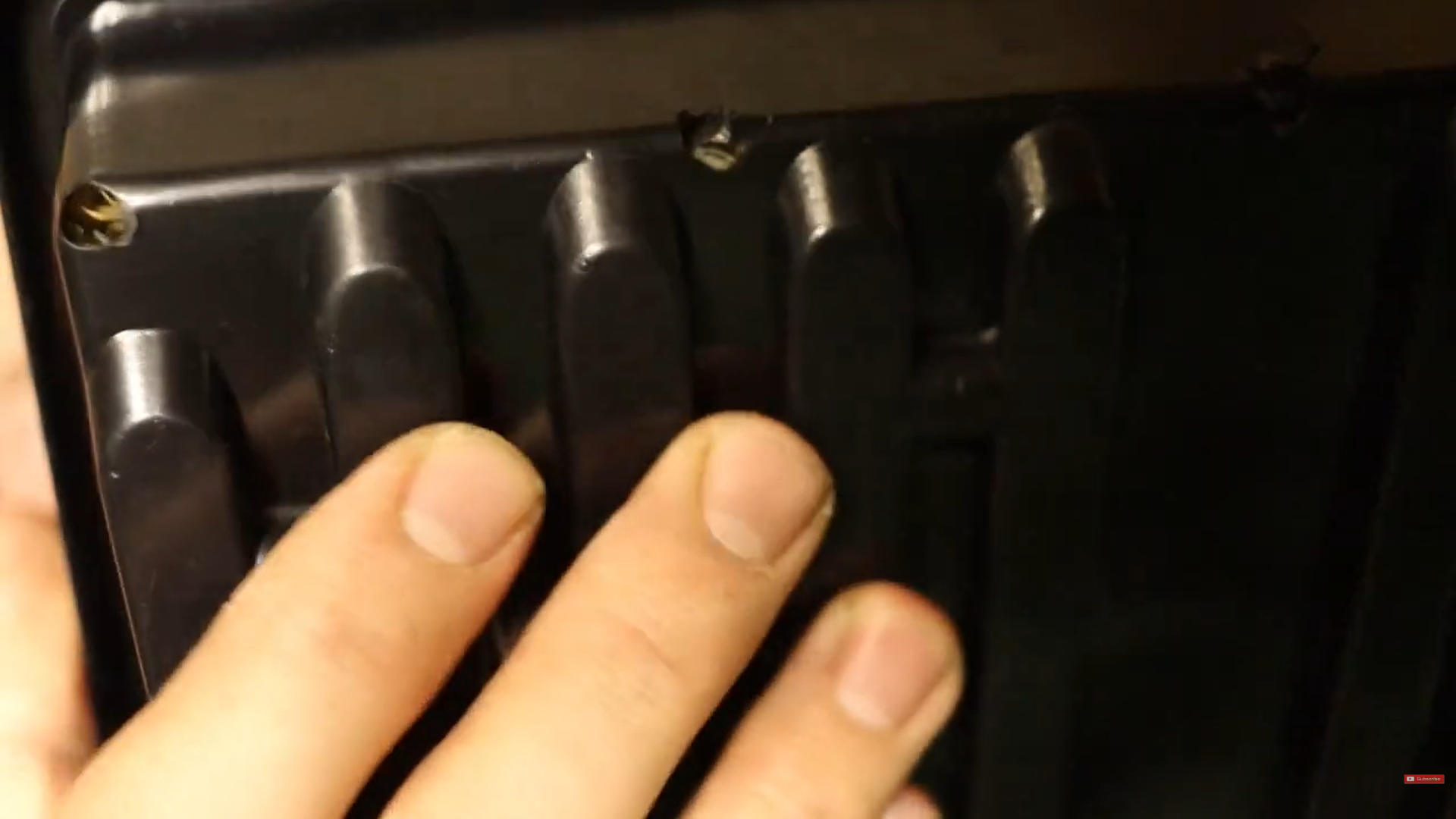
Standing water is the primary cause of mold and root rot.
“Drainage holes drilled in fodder tray”
Step 3: Spread Seeds Evenly
Spread soaked seeds evenly across the tray
Minor debris or chaff is fine
Even coverage prevents pooling and uneven growth
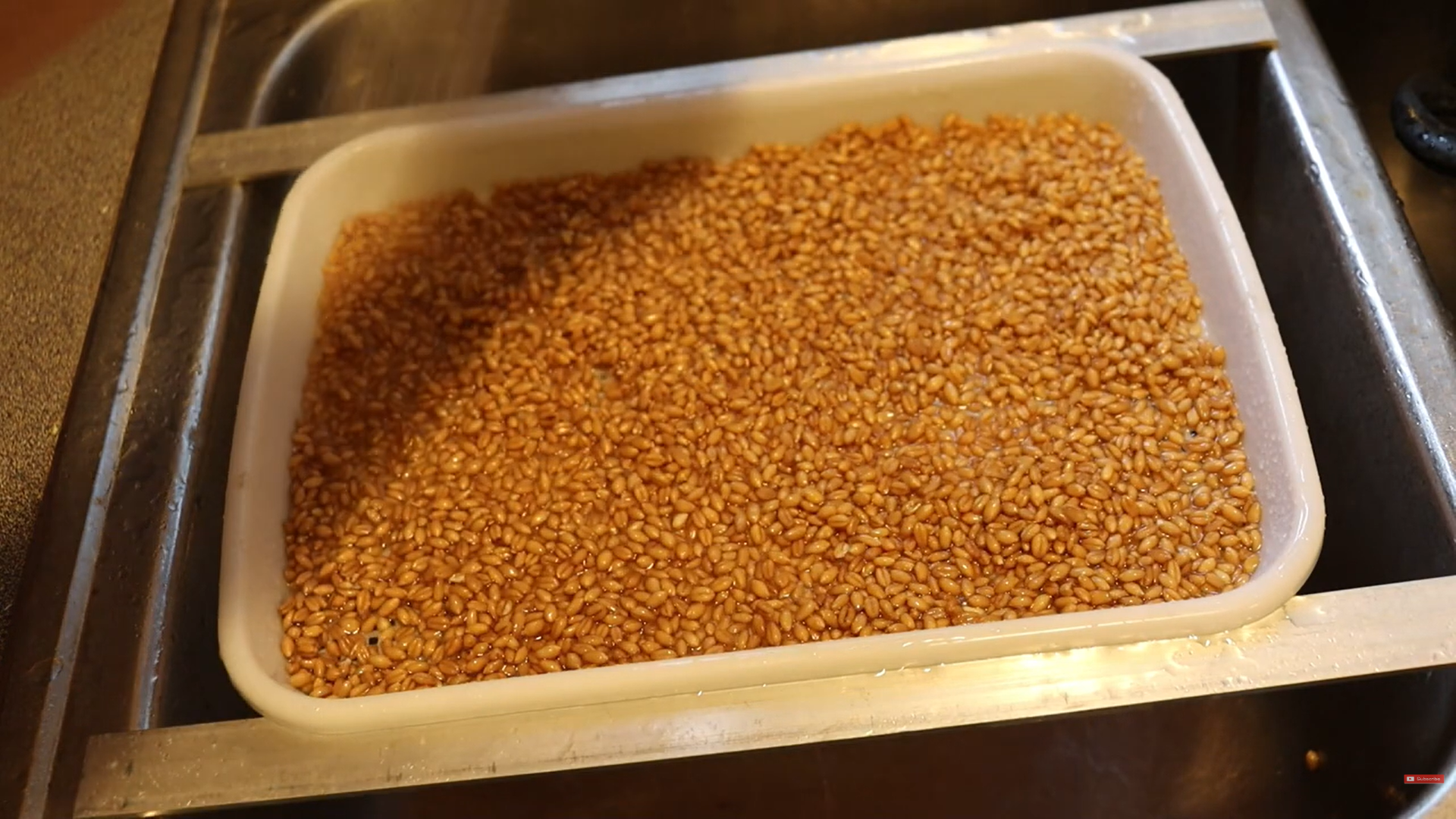
Cover the seeds with damp paper towels and place a dome over the tray for the first 24 hours to maintain moisture.
Step 4: Days 2–3 – Root Development
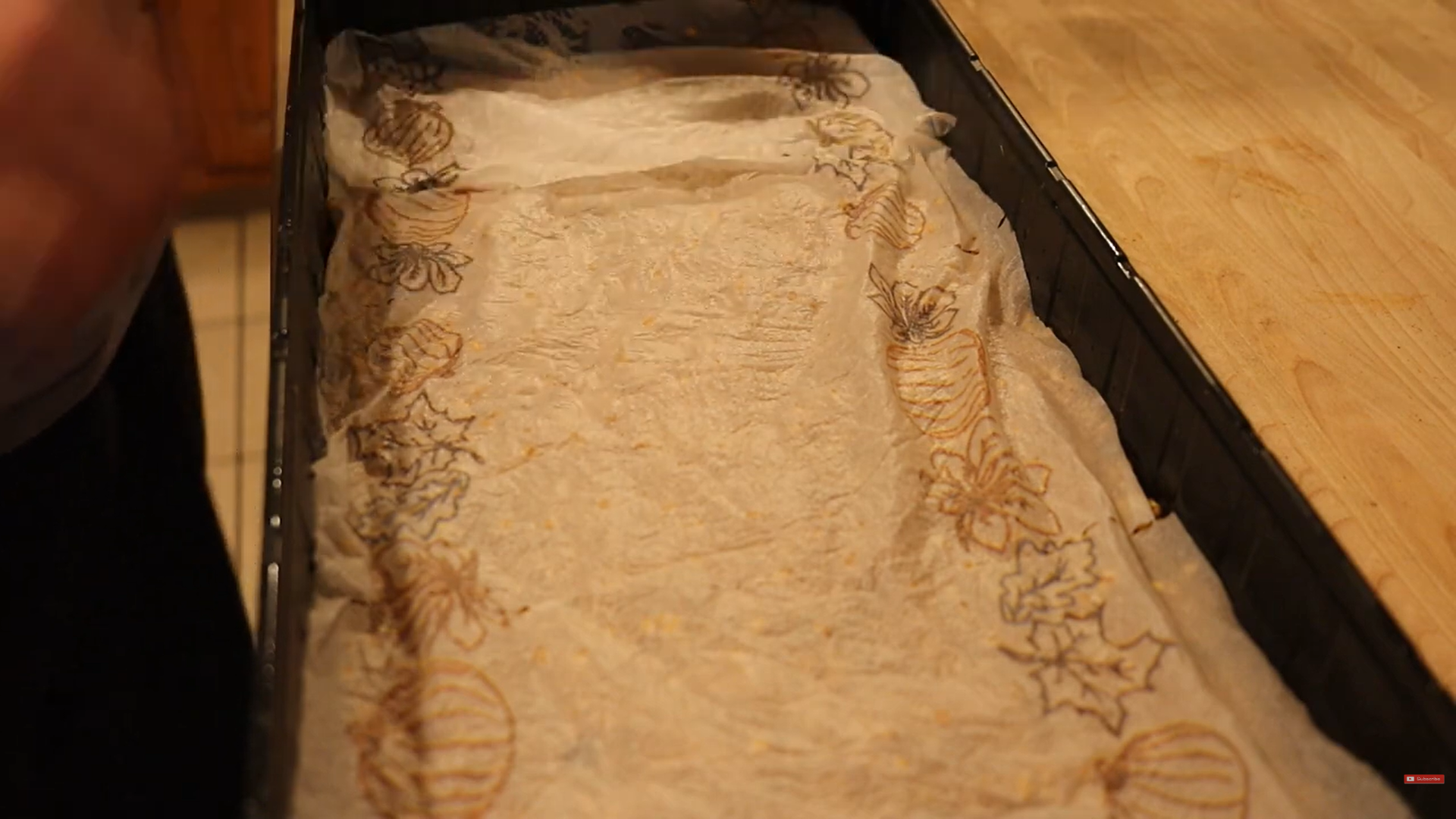
On Day 2:
Remove the paper towels
Lightly re-wet the seeds
Roots will begin forming white, hair-like strands that anchor to the tray. Avoid flooding the tray during this stage.
Step 5: Day 4 – The “Pine Needle Stage”
By Day 4, shoots resemble pine needles.
At this point:
Remove the dome
Reduce moisture
Increase airflow
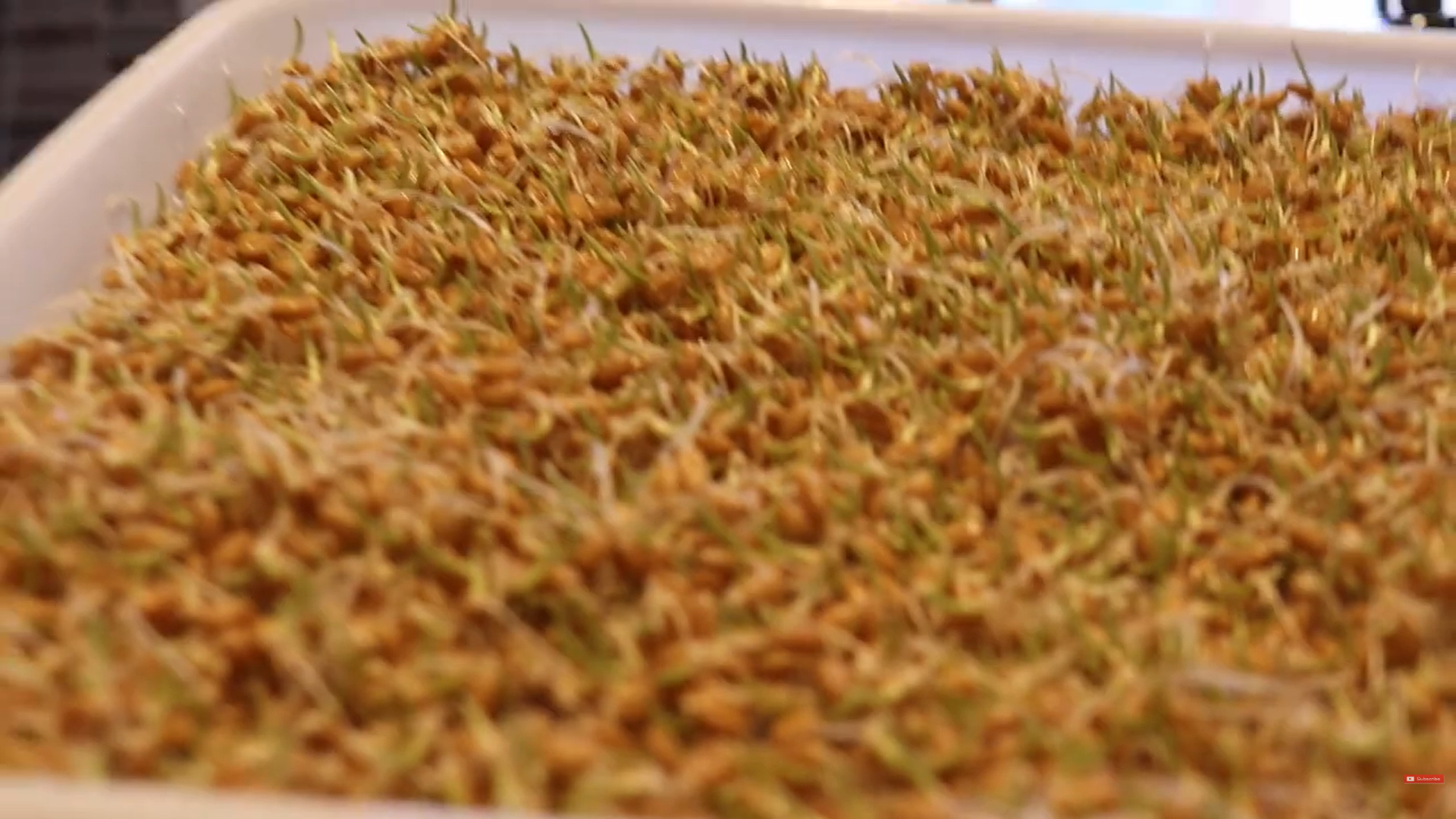
The goal is wet roots, not standing water.
“Fodder at pine needle growth stage”
Step 6: Harvest (Days 7–8 for Rabbits)
By Day 7 or 8, fodder forms a dense mat of roots and grass.
Feed the entire mat:
Shoots
Roots
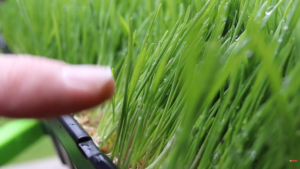
Remaining seed
This provides maximum nutrition with minimal waste.
“Fully grown fodder ready to feed rabbits”
Indoor Fodder Growing Tips
Keep trays near a window for airflow
Avoid overly humid rooms
Clean trays between cycles
Rotate trays daily
Indoor fodder systems are especially valuable during winter when outdoor feeding options are limited.
Outdoor Fodder Growing Tips
Add 2 cups of wood ash and 5 gallons of rabbit manure to every 4′ × 8′ raised bed and mix it in well
Blanket your beds w/ seeds & then water
Protect from heavy rain
Use shade during extreme heat
Water more frequently in hot weather
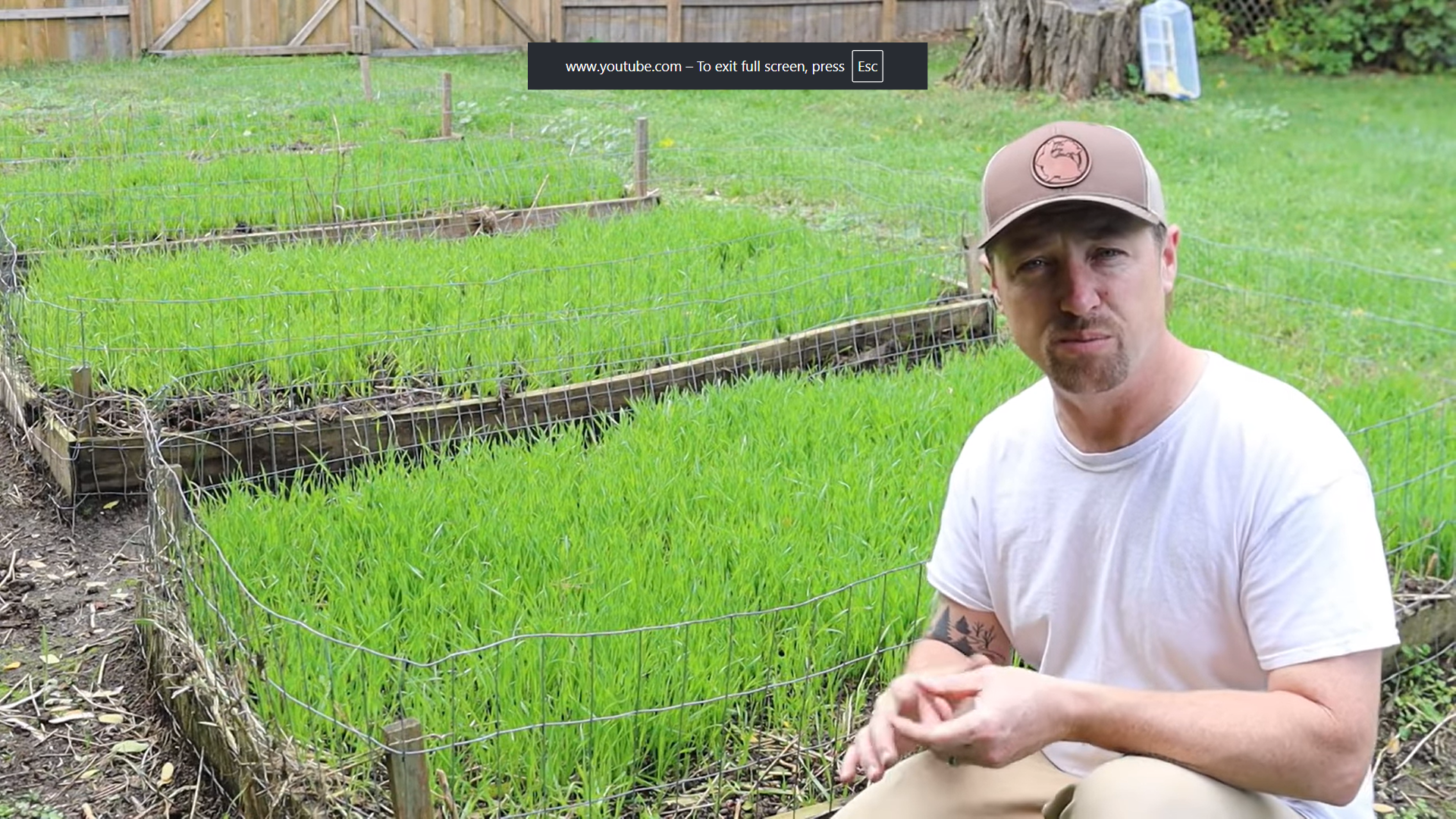
Outdoor fodder grows quickly when temperatures are stable. Fall is the ideal time to plant winter wheat as a cover crop, since it will continue to grow whenever temperatures stay at or above 40°F.
Feeding Fodder Year-Round (Including Winter)
Fodder is an excellent supplement during winter when fresh forage is unavailable. Rabbits are often more cold-tolerant than people realize, but consistent nutrition and access to water are critical during cold snaps. In Michigan, we switch to indoor fodder once snow covers the beds.
Growing fodder indoors allows you to maintain feed quality all winter long.
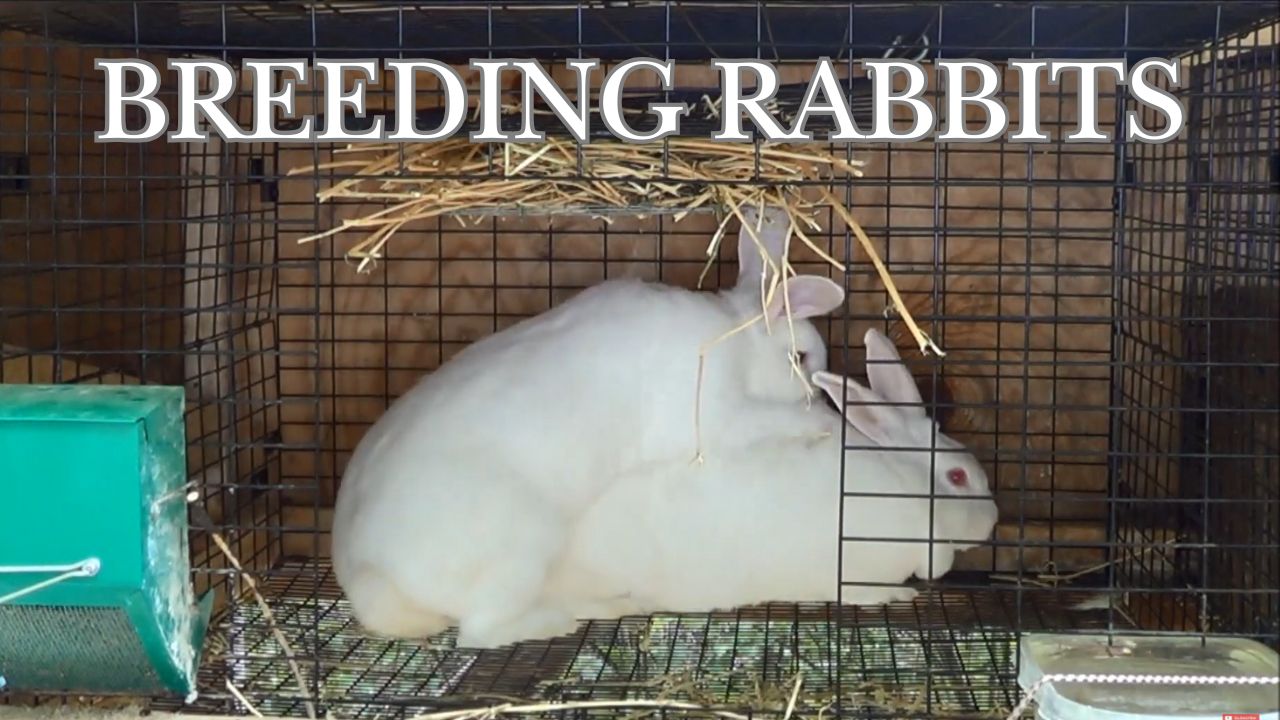
🚨 New Rabbit Breeding Course – Launching February 1st, 2026
Nutrition plays a major role in fertility, milk production, kit survival, and long-term herd health. That’s why we’re excited to announce our brand-new Rabbit Breeding Course, launching February 1st, 2026.
What This Course Covers:
Breeding rabbits in all climates, all seasons
Building a productive, sustainable herd
A line-breeding system never shared in previous courses
Avoiding common breeding mistakes
Long-term herd improvement strategies
🎉 Launch Pricing:
Regular price: $39.99
25% off launch price: $29.99 (limited time)
You’ll also have the option to become Certified in Rabbit Breeding at a fraction of the cost of our full course—ideal for breeders who want to do things right from the start.
👉 Course link coming February 1st, 2026
Final Thoughts
Whether you choose an indoor system, an outdoor system, or a combination of both, growing fodder gives you more control over your feed, lowers costs, and improves animal nutrition year-round. Pairing fresh fodder with sound breeding practices sets your rabbitry up for long-term success.
Thanks for reading—and be sure to watch both fodder videos linked above