People ask all the time: “If inbreeding is bad for humans, how is it good for rabbits?”
Great question.
In livestock, line-breeding actually helps us concentrate desirable traits like:
growth rate
temperament
body structure
mothering ability
feed conversion
litter size
Breeding related rabbits accentuates the good AND the bad traits, which means you get more consistency. Your job as the breeder is to:
✔ pick the rabbits with the traits you want
✔ cull or freezer-camp the ones with poor traits
✔ only continue breeding the highest-quality animals
Do this right, and your herd improves quickly — even when starting small.
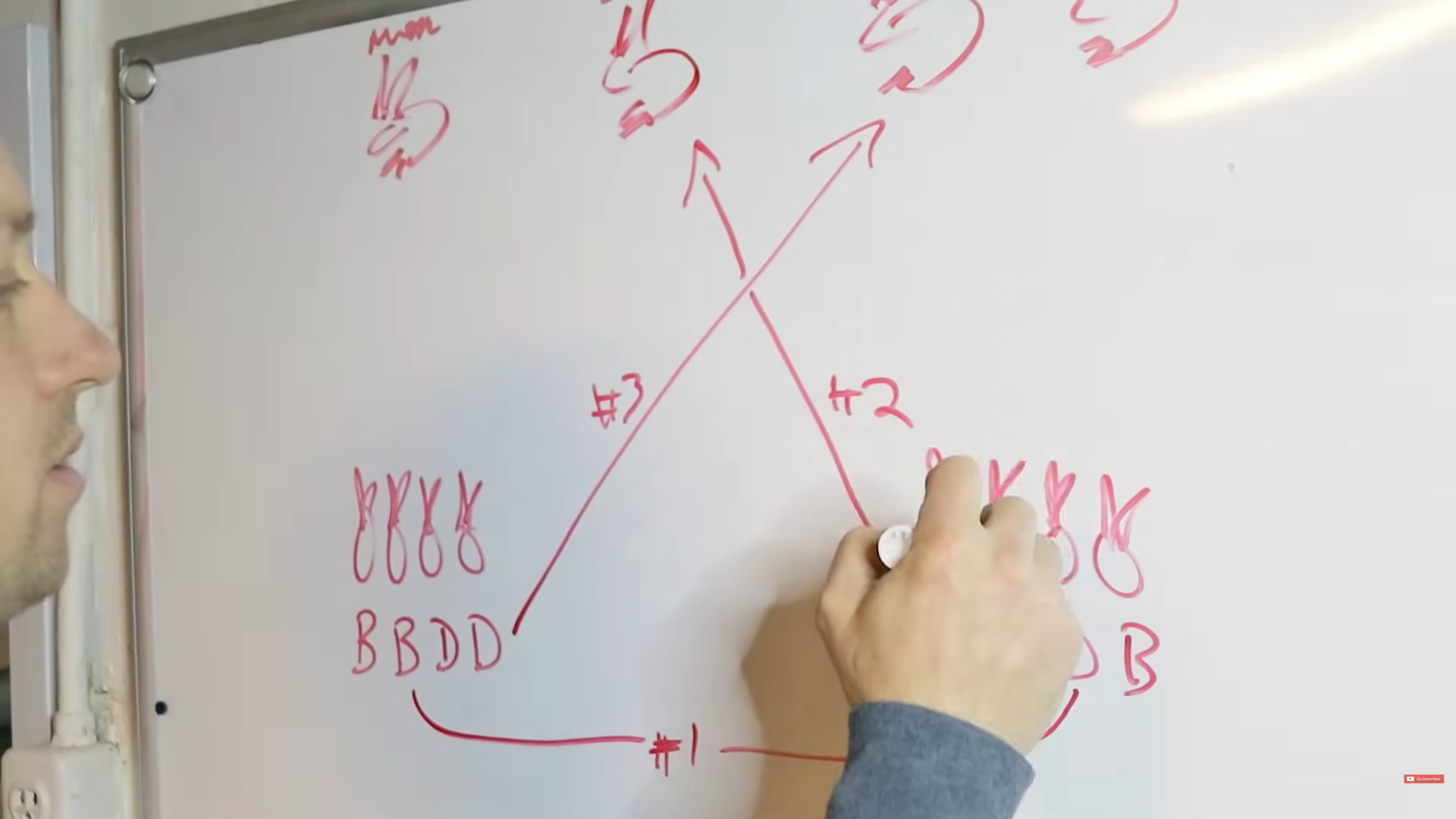
The foundation of this system starts with:
2 Bucks

2 Does
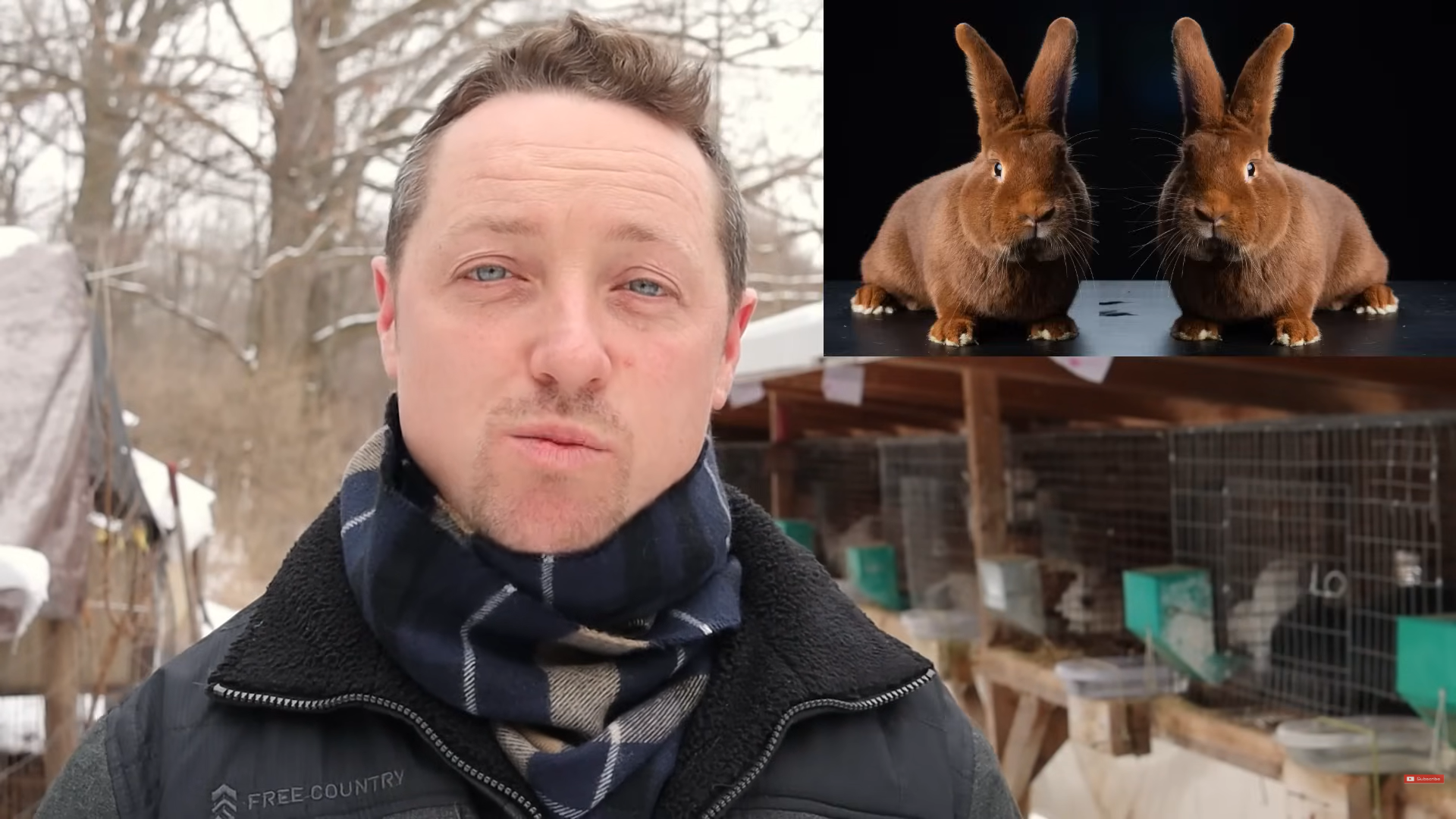
Thirty-two days after breeding, you have two litters on the ground.
At 12 weeks, you sort the offspring:
Litter Selection Guide
Choose 3 exceptional does from one litter
And 1 buck + 2 does from the other
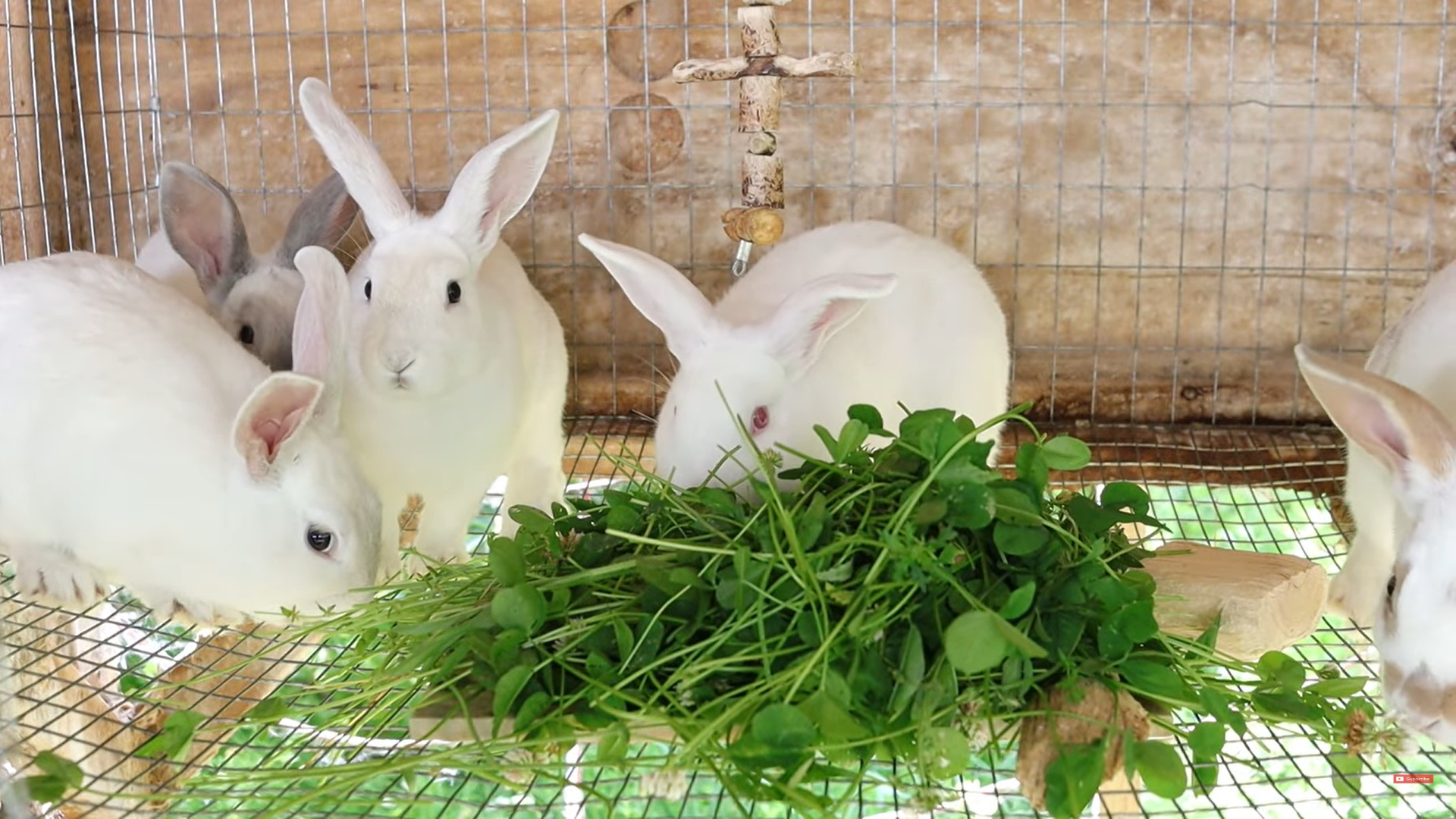
These six new rabbits plus your original four become your 10-rabbit breeding base.
Every rabbit kept for the program must be exceptional.
Pedigrees are a must — not only for your records but because these offspring become valuable breeding stock you can sell at premium prices.
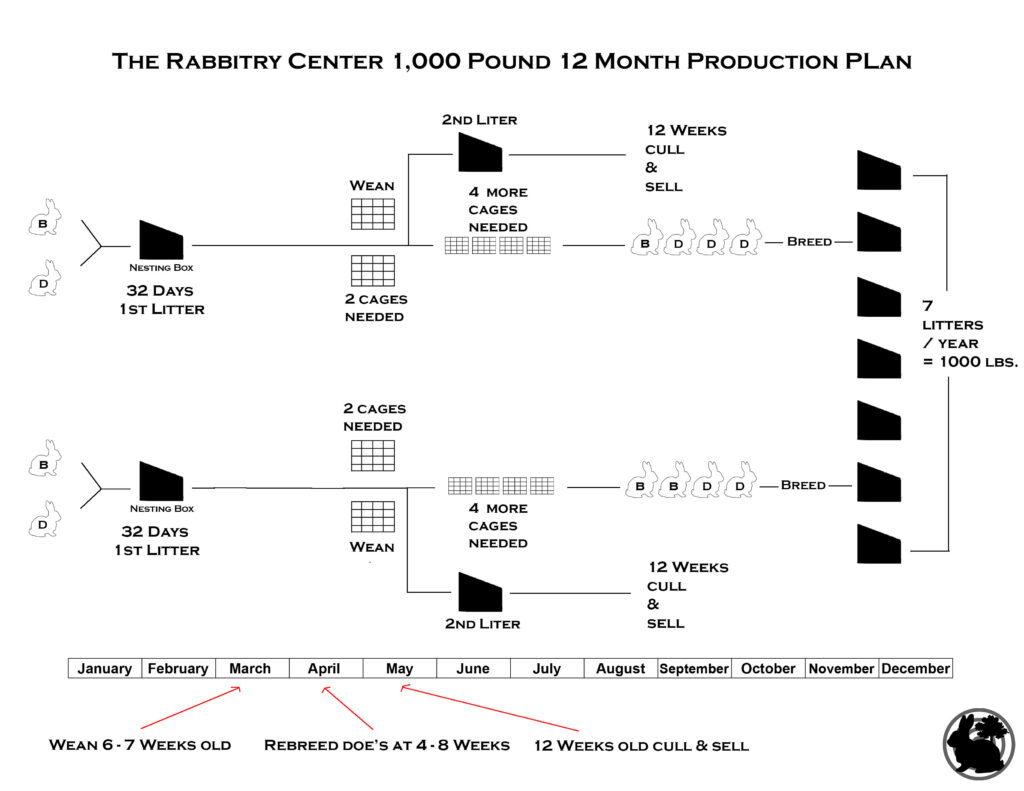
Here’s the simplified version of your timeline:
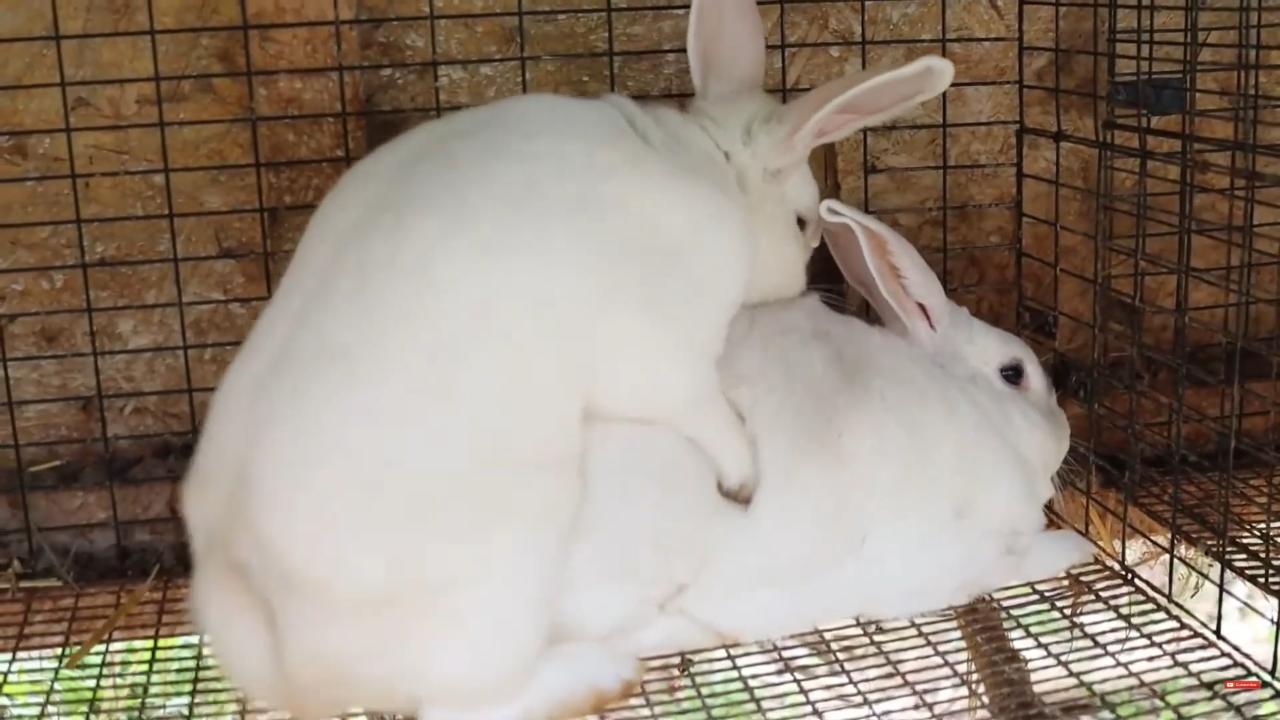
Breeding-Month 1
Breed your original does

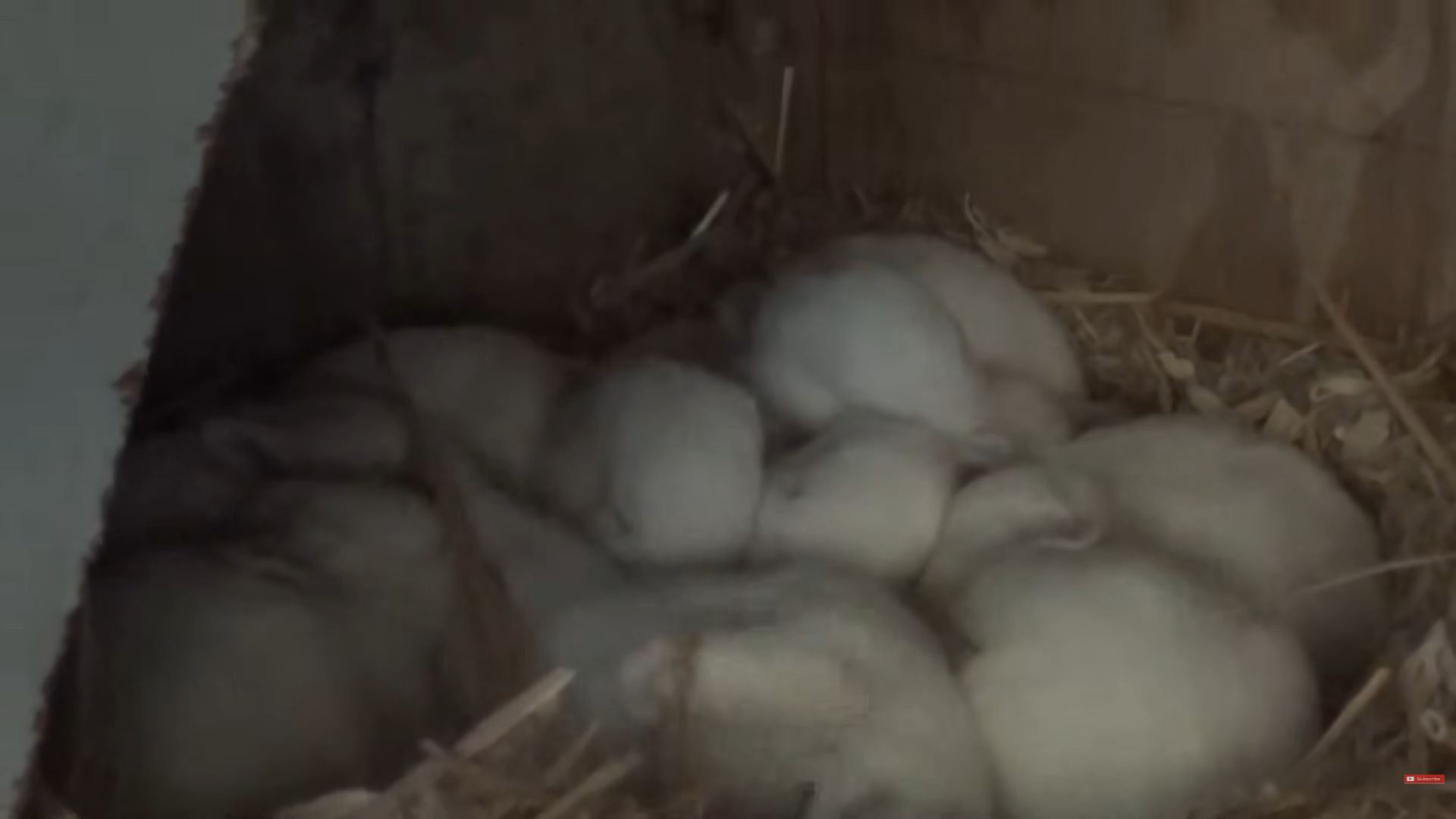
32 days later: 2 litters born
Identifying-Month 3 (12 weeks old)
Sex the litters
Choose your keeper rabbits
Build 4 cages for grow-outs
Rebreed-Month 4
Re-breed your original does
New litters arrive
Cull, freeze, or sell unneeded rabbits
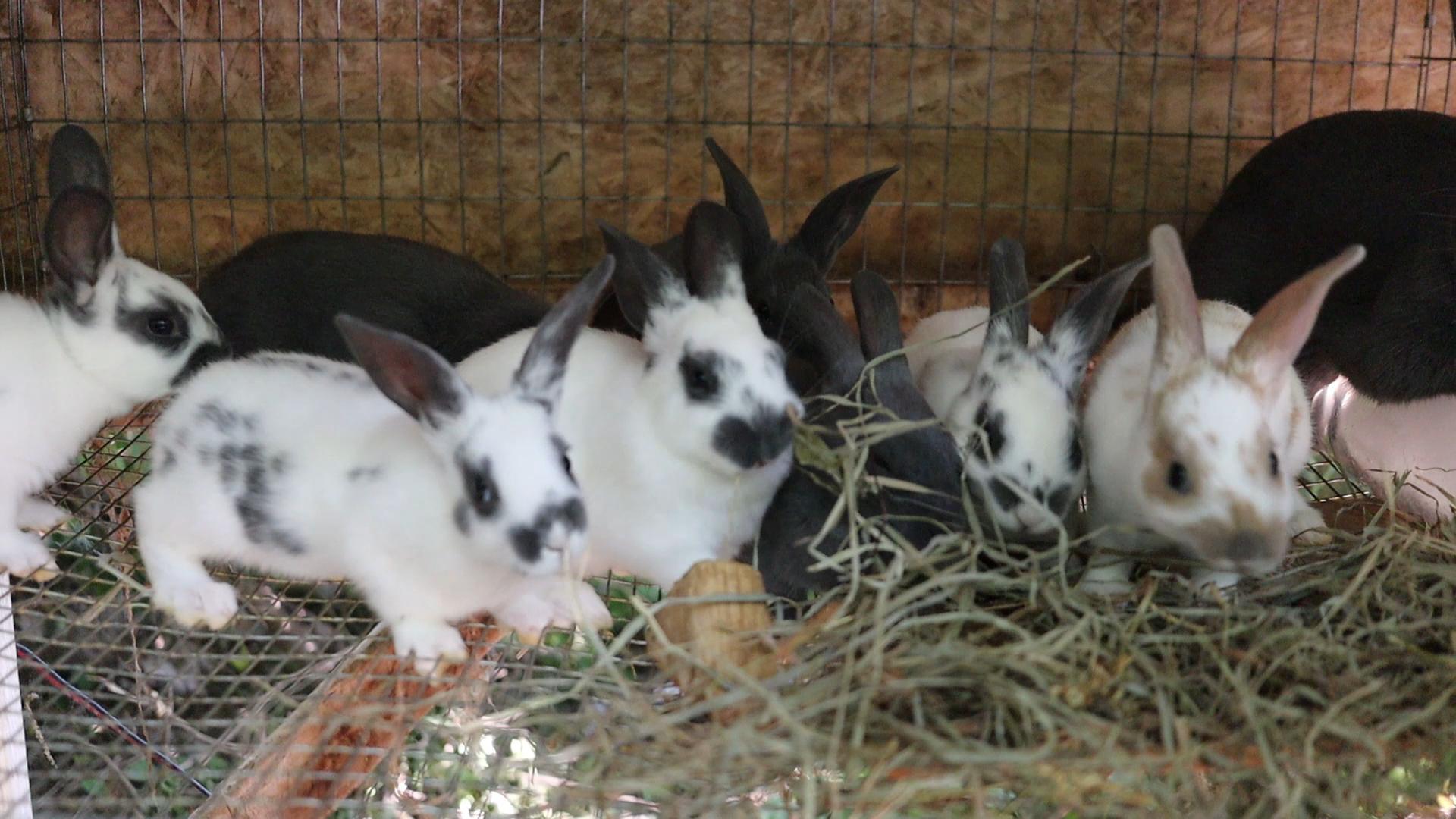
Breed all 7-Month 7
Your keeper rabbits reach 6 months
You can now breed all 7 does at once
You need 7 nest boxes and a strong cage setup
This yields seven litters in addition to your ongoing cycles.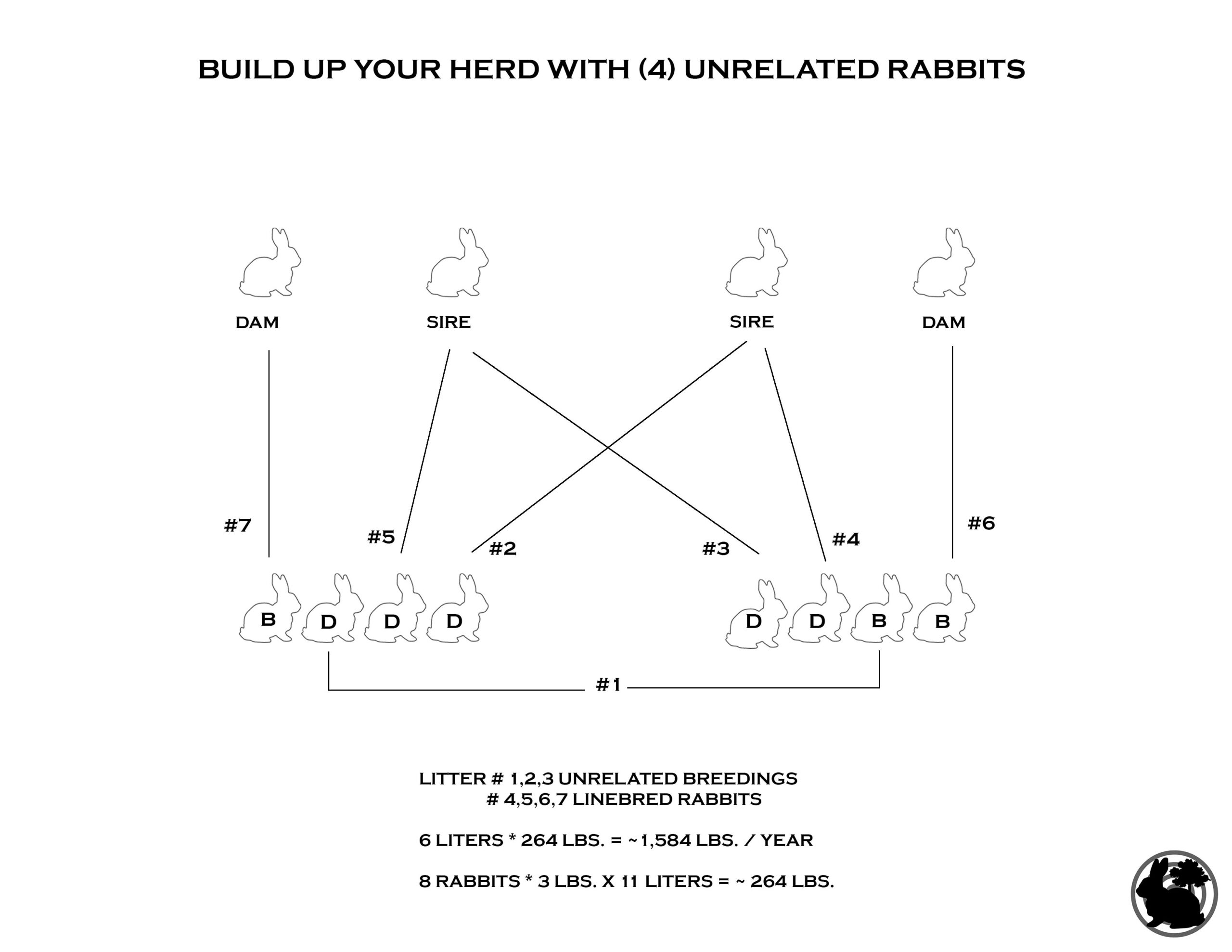
On average:
Each litter produces ~8 rabbits
Each harvested rabbit yields ~4 pounds of meat

= 32 lbs of meat per litter

With 11 litters in this program, you reach:
👉 11 litters × 32 lbs = 352 lbs (from base does)
👉 PLUS 7 new litters from your young does
= 1,120 lbs of meat total
All from a starting investment of four rabbits.
For context: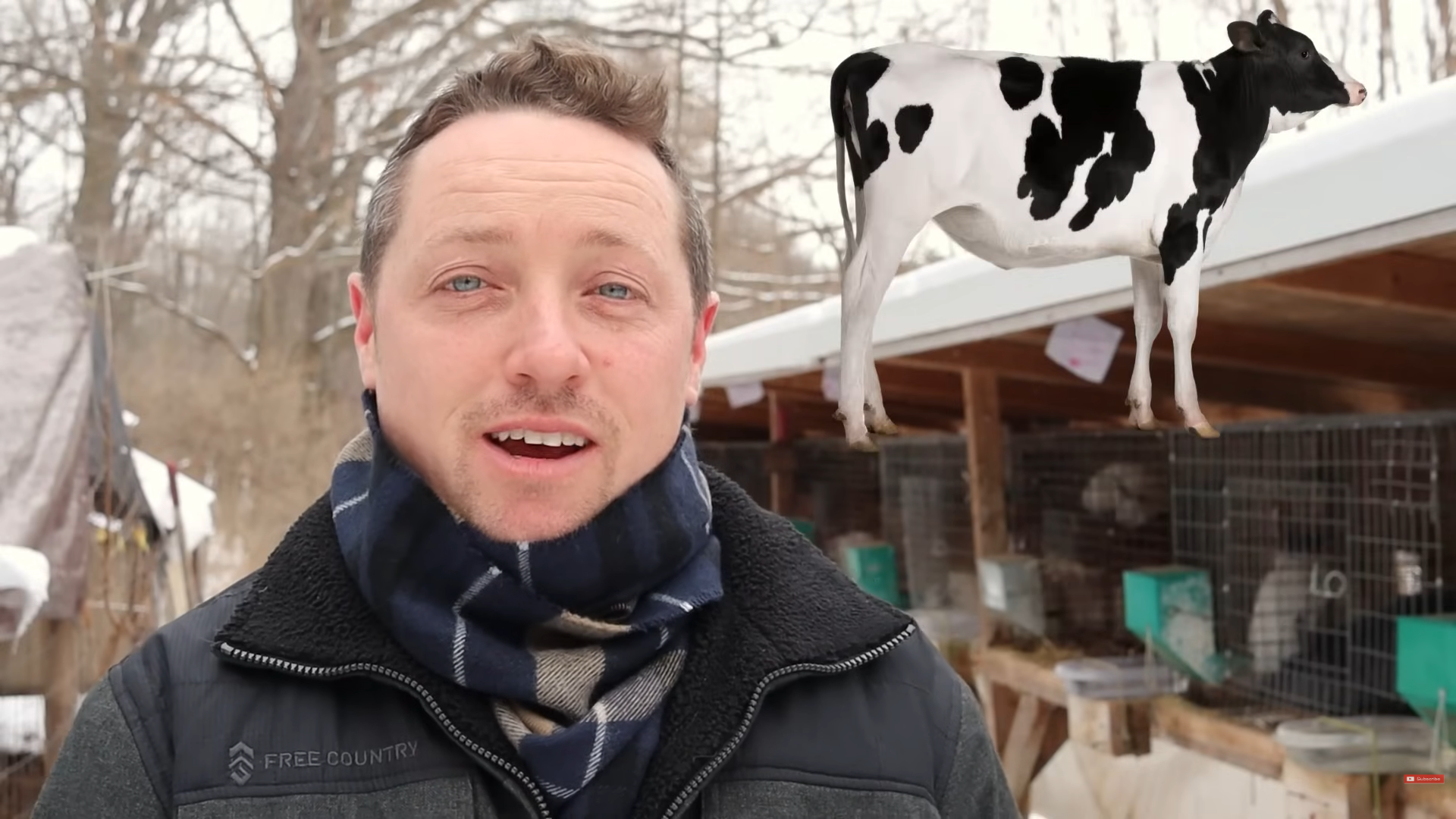
A single cow costs $1,600 – $2,000.
This rabbit program produces the equivalent meat of three cows for half the price — and in a fraction of the time.
Here’s what’s required:
✔ Quality pedigreed stock
Start with the best animals you can find — it pays off every year.
✔ Tattooing system
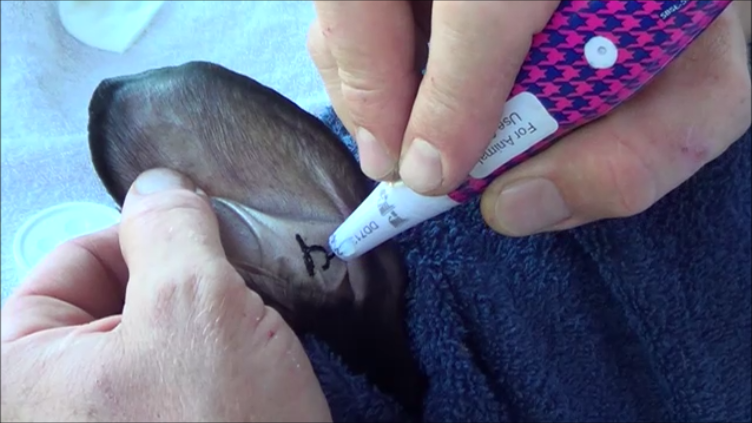
You MUST keep accurate IDs to prevent mix-ups.
✔ Cage space
At minimum:
7 nest boxes
7 individual breeding cages
Multiple grow-out cages
Extra space for sale rabbits
✔ Consistent culling and selection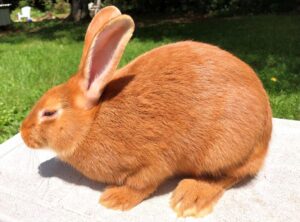
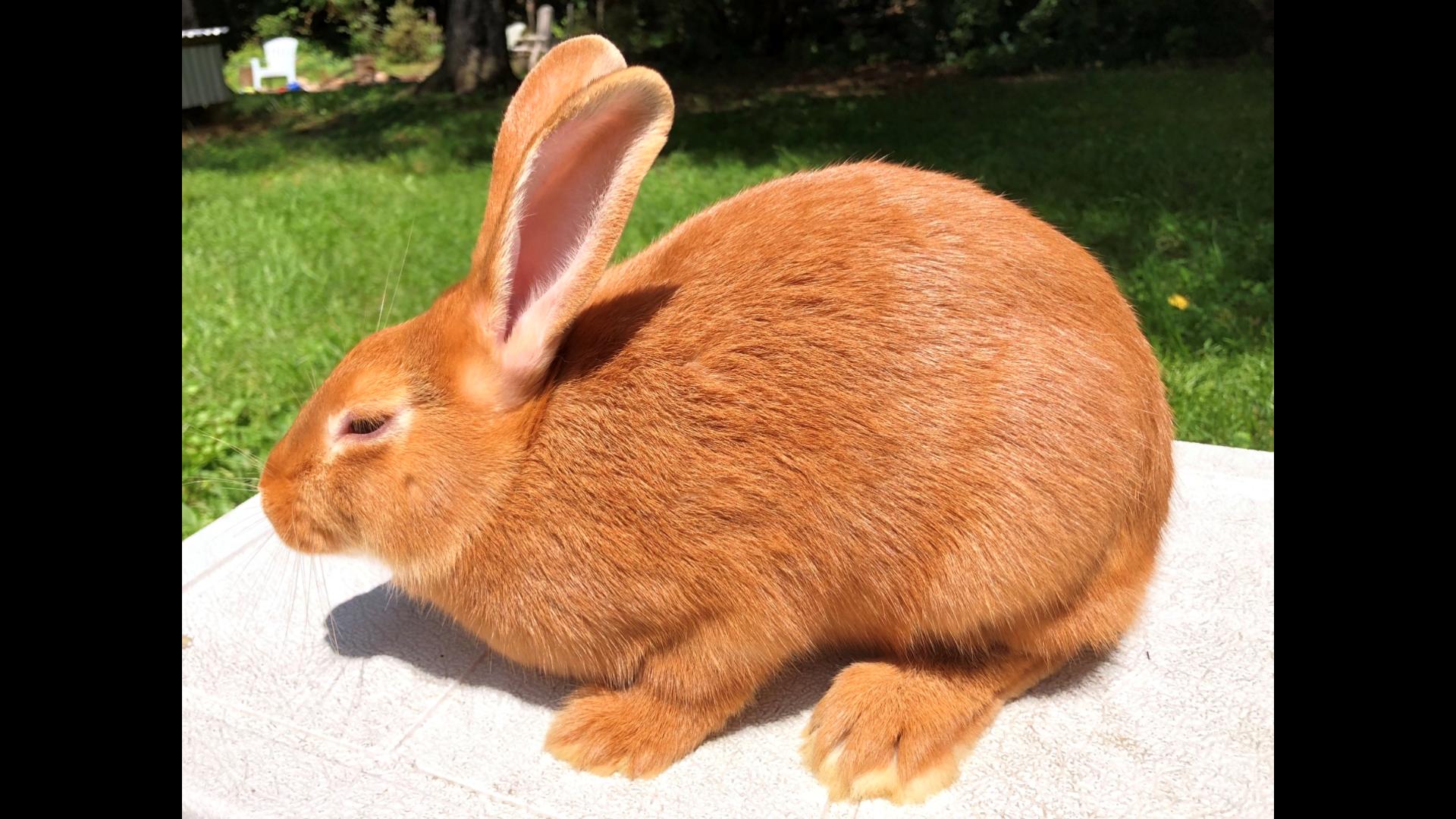
This is the key to improving your line and avoiding problems.
✔ A real plan
This isn’t casual backyard breeding.
It’s a production system.
In 11 months, starting with just four rabbits, you can build a thriving, sustainable, high-yield rabbitry capable of feeding:
your family,

your neighbors,
and even a small community.
This program works, it’s efficient, and the investment is small compared to the return.
If you want the full video explanation, check out The Rabbitry Center YouTube video below.